

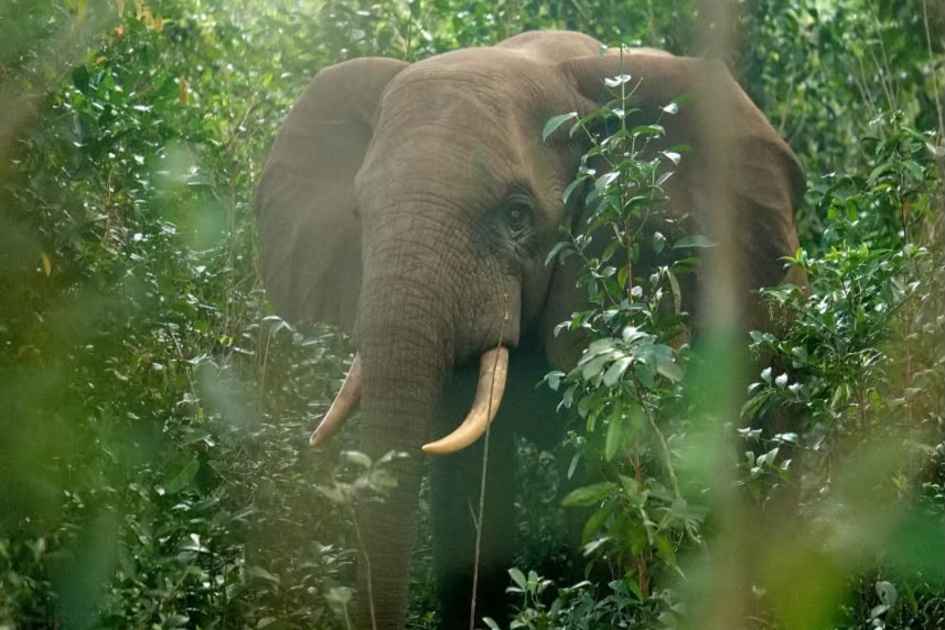



The advisory body brings together government officials, conservation experts and academics to guide wildlife governance, habitat restoration and conflict mitigation as Bangladesh strengthens biodiversity conservation efforts.
Bangladesh has established a 10-member Wildlife Commission to strengthen the conservation of endangered species, restore critical wildlife habitats, and promote nationwide awareness on biodiversity protection as the country faces growing pressures from habitat loss, climate change, and increasing human-wildlife conflict.
The commission was formed at a Cabinet meeting on Thursday (July 23), with the Ministry of Environment, Forest and Climate Change issuing an official notification through its Forest Wing-2.
Dr. Fahmida Khanam, the acting secretary of the Ministry of Environment, Forest and Climate Change, has been appointed as the chairperson of the commission.
The newly formed body brings together senior government officials, conservation experts, wildlife specialists, academics, and representatives from international conservation organisations to provide strategic recommendations on wildlife governance and habitat protection.
Members include the Chief Conservator of Forests of the Forest Department, the Additional Secretary (Administration) of the Ministry of Environment, Forest and Climate Change, the Director General of the Department of Livestock Services, wildlife expert Mohammad Ali Reza Khan, former Principal of Dubai Safari Park, natural resource management specialist Ashraful Haque Nobel, and the Bangladesh representative of the International Union for Conservation of Nature (IUCN).
The commission also includes Professor Monirul H. Khan from the Department of Zoology at Jahangirnagar University and Forest Department veterinary officer Hatem Sazzad Mohammad Zulkarnain.
According to the government notification, the commission will provide recommendations on improving the conservation, management, and protection of habitats for elephants and other wildlife. It will also advise on measures to recover illegally occupied forest land under the Forest Department to restore degraded ecosystems and secure wildlife habitats.
A major focus of the commission will be strengthening conservation efforts for the Royal Bengal Tiger in the Sundarbans, the world’s largest mangrove forest and a UNESCO World Heritage ecosystem that serves as one of the last remaining habitats of the species.
The commission will recommend measures to increase tiger populations, improve wildlife food availability, and develop plans for planting fruit-bearing trees in forest areas to support biodiversity. It will also work on creating strategies to ensure safer coexistence between communities and wildlife, particularly elephants.
Human-wildlife conflict has become an increasing concern in Bangladesh, especially in areas where forest fragmentation and land-use changes have brought communities closer to elephant habitats. Conservationists have called for stronger protection of wildlife corridors, improved community engagement, and science-based management approaches to reduce conflicts.
Bangladesh’s wildlife faces multiple threats, including illegal forest encroachment, habitat destruction, biodiversity loss, climate change impacts, and pressure from rapid development. The country’s forests, wetlands, coastal ecosystems, and the Sundarbans support globally important species while also providing essential ecological services for millions of people.
The inclusion of IUCN representation in the commission is expected to bring global conservation expertise and strengthen Bangladesh’s alignment with international biodiversity commitments, including efforts under the Kunming-Montreal Global Biodiversity Framework.
“The government has formed this commission to ensure the protection of elephants, tigers, and other wildlife, improve their habitats, and create greater awareness among people,” Dr. Fahmida Khanam said.
The commission will function as an advisory body, providing recommendations to relevant authorities on wildlife conservation, habitat restoration, and public awareness initiatives.
Environmental experts say the effectiveness of the commission will depend on translating recommendations into practical action, including stronger enforcement against illegal land occupation, restoration of ecological corridors, improved scientific monitoring, and greater participation of local communities in conservation efforts.
As a climate-vulnerable country located at the crossroads of South Asian biodiversity landscapes, Bangladesh’s new wildlife initiative will be closely watched by conservation groups worldwide. The success of the commission could play an important role in balancing economic development with the urgent need to protect biodiversity and build climate-resilient ecosystems.




