

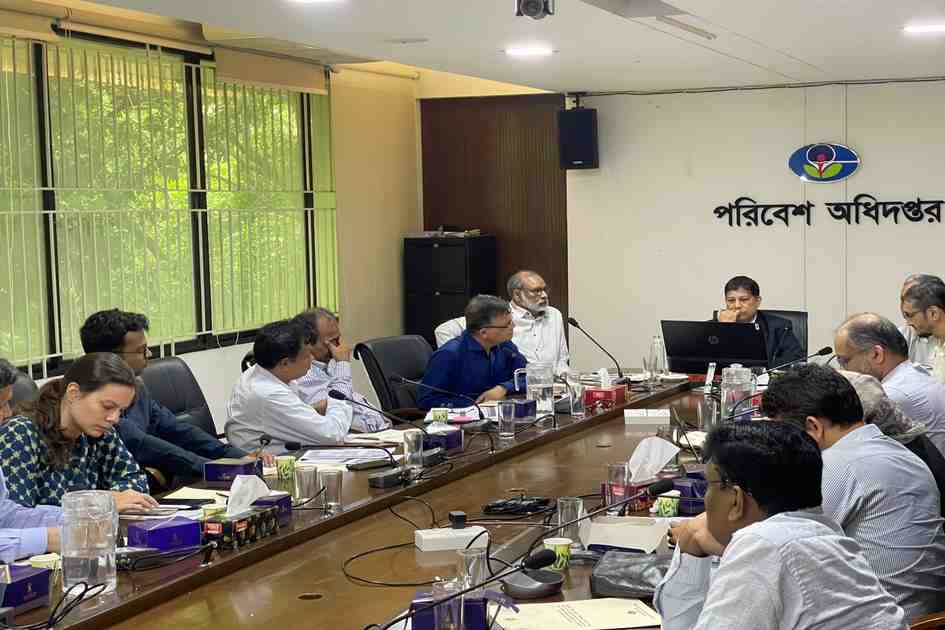

Implementation planning highlights a major finance gap, energy-sector investment needs and demands for transparent monitoring, while advocates urge green jobs and stronger participation from vulnerable communities.
Bangladesh, one of the world’s most climate-vulnerable countries despite contributing less than one percent of global greenhouse gas emissions, has unveiled a USD 116.18 billion climate roadmap to accelerate low-carbon development, strengthen resilience and ensure a just transition for millions of people facing the growing impacts of climate change.
The country has begun preparing the implementation plan for its Third Nationally Determined Contribution (NDC 3.0) and Long-Term Low Emission Development Strategy (LT-LEDS), establishing a pathway for climate action through 2035 and a long-term vision for resilient, low-carbon development towards 2050.
The roadmap represents one of Bangladesh’s most ambitious climate policy initiatives, translating its commitments under the Paris Agreement into practical policies, investment priorities and sectoral actions. However, experts say the success of the plan will depend not only on technology and infrastructure but also on whether climate action protects livelihoods, creates decent green jobs and empowers communities most affected by climate change.
For millions of people living in Bangladesh’s coastal areas, river islands and climate-exposed regions, the success of NDC 3.0 will be measured not only by emission reductions but also by whether communities can protect their homes, livelihoods and futures amid intensifying climate impacts.
The announcement comes at a critical time as countries prepare for UN Climate Summit COP31 in Antalya, where climate finance, implementation of existing commitments and support for vulnerable nations are expected to remain central issues in global climate negotiations.
Bangladesh moves from climate pledges to implementation
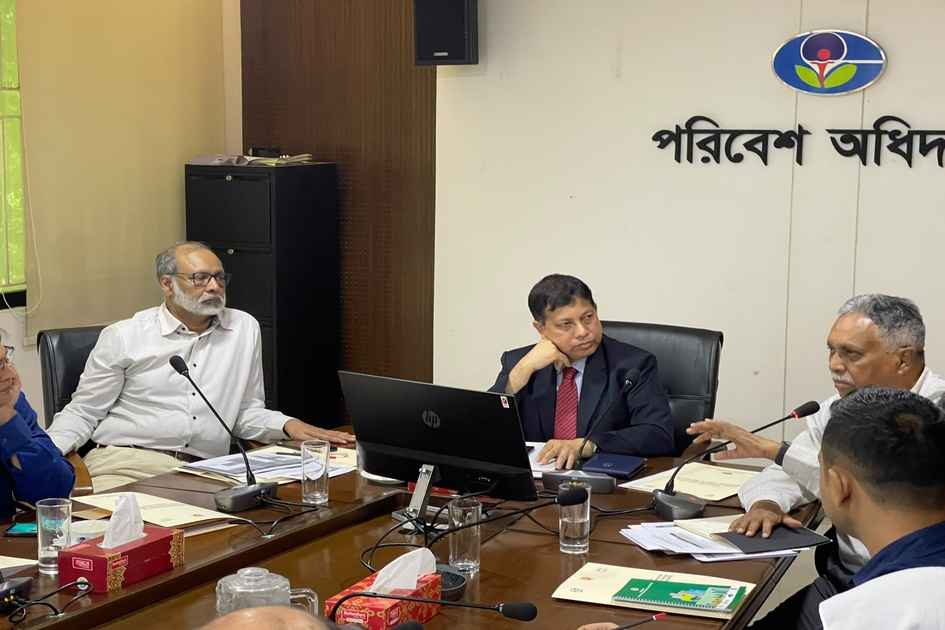
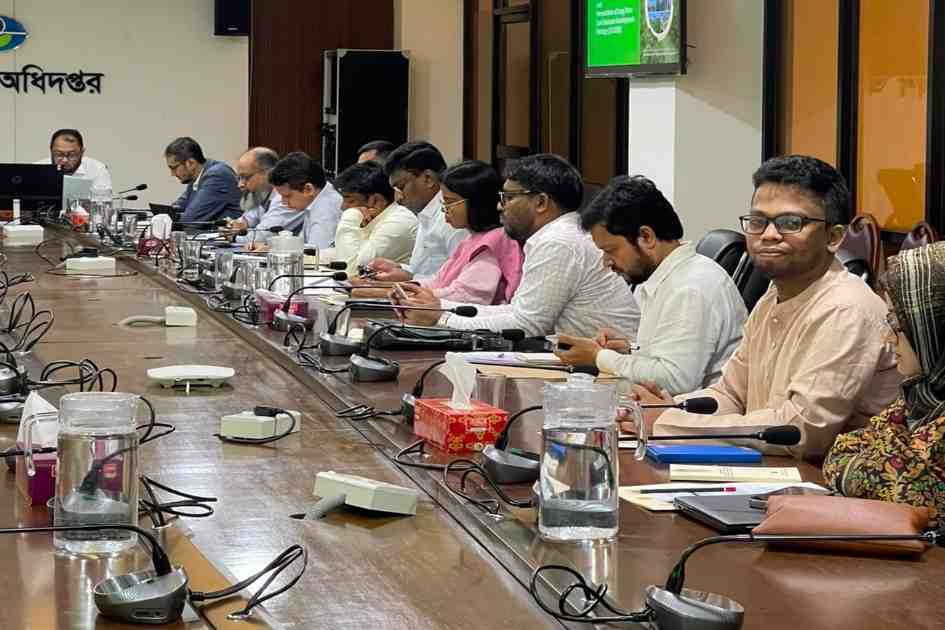
The NDC 3.0 implementation roadmap was unveiled at a national workshop held at the Department of Environment headquarters in Dhaka, bringing together representatives from government ministries, climate experts, academics, development partners and international organisations, including the International Labour Organization (ILO), UNICEF and UNOPS.
Opening the workshop, Director General of the Department of Environment Dr Md Lutfor Rahman highlighted the importance of stronger institutional coordination, technical capacity and collaboration among government agencies and development partners to ensure effective implementation of Bangladesh’s climate commitments.
Mohammad Navid Safiullah, Additional Secretary of the Ministry of Environment, Forest and Climate Change, said Bangladesh’s updated NDC 3.0, supported by the LT-LEDS framework, provides an integrated pathway for climate-resilient, low-emission and sustainable development.
He stressed that implementation would require policy coherence, evidence-based planning, sustainable financing, strong monitoring mechanisms and coordinated action across sectors.
“Bangladesh’s transition towards a low-carbon economy must be a just transition,” he said, emphasising that workers, climate-vulnerable communities and affected sectors must be protected while creating decent green jobs, expanding social protection and supporting sustainable economic growth.
Strengthening coordination, improving climate data systems, expanding technical capacity and ensuring transparent governance will be essential to transforming Bangladesh’s climate commitments into measurable outcomes.
“The implementation of NDC 3.0 will require a whole-of-society approach involving government institutions, local communities, businesses, civil society, young people and international partners”, added Mohammad Navid Safiullah.
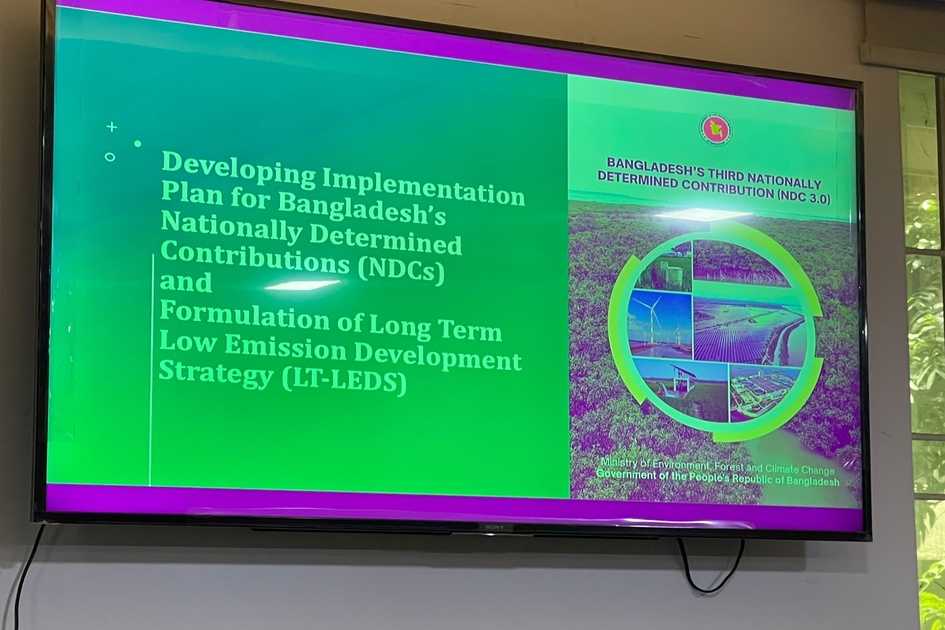
Cleaner energy and sustainable sectors at the centre of roadmap
The NDC 3.0 roadmap reflects Bangladesh’s effort to balance economic growth with climate responsibility by targeting cleaner energy systems, sustainable industries and climate-resilient agriculture.
In the manufacturing and construction sectors, Bangladesh aims to meet 40 percent of national brick demand through non-fired bricks or concrete blocks while promoting energy-efficient production processes and cleaner technologies.
The government also plans to expand rooftop solar systems, including installation in 50 percent of existing government buildings and all newly constructed government offices, schools and hospitals.
The roadmap further highlights the expansion of solar-powered irrigation systems, cleaner cooking technologies and improved energy infrastructure, including a target to reduce emissions from gas leakages through improved management systems.
These measures are designed not only to reduce emissions but also to improve energy security, create economic opportunities and support a more sustainable development pathway.
Climate finance gap remains the biggest challenge
The NDC 3.0 roadmap estimates that Bangladesh will require USD 116.18 billion between 2026 and 2035 to implement its mitigation actions.
Of this amount, USD 25.95 billion is expected to come from domestic resources, while USD 90.23 billion will depend on international support through climate finance, technology transfer and capacity building.
The energy sector represents the largest investment requirement, with USD 105.96 billion needed to accelerate renewable energy development, improve energy efficiency and transform the country’s energy systems. Additional investments are required in agriculture, forestry, waste management and industrial processes.
The scale of investment highlights a major challenge facing developing countries: turning climate ambition into action requires predictable, accessible and adequate international climate finance.
Bangladesh’s roadmap reflects a wider demand from climate-vulnerable nations for stronger global cooperation to bridge the gap between commitments and implementation.
Long-term pathway towards a low-emission future
Alongside NDC 3.0, Bangladesh is advancing its Long-Term Low Emission Development Strategy, which will guide the country’s transition towards climate-resilient and low-carbon development through 2050.
While the NDC outlines Bangladesh’s climate commitments for a specific period under the Paris Agreement, the LT-LEDS provides a broader vision for transforming key sectors including energy, transport, industry, agriculture and waste management.
The strategy aims to ensure that current policies and investments remain aligned with future climate goals and long-term sustainability objectives.
The Center for Climate Change and Environmental Research (C3ER) at BRAC University, leading a joint venture with Impact Solutions and Nippon Koei Bangladesh, has been engaged to support the LT-LEDS formulation process.
The initiative includes data collection beginning in September 2026 and an international launch event expected during COP31 in November 2027.
Transparency and accountability key to successful implementation
Experts emphasised that strong monitoring and accountability systems will determine whether Bangladesh can successfully implement its climate roadmap.
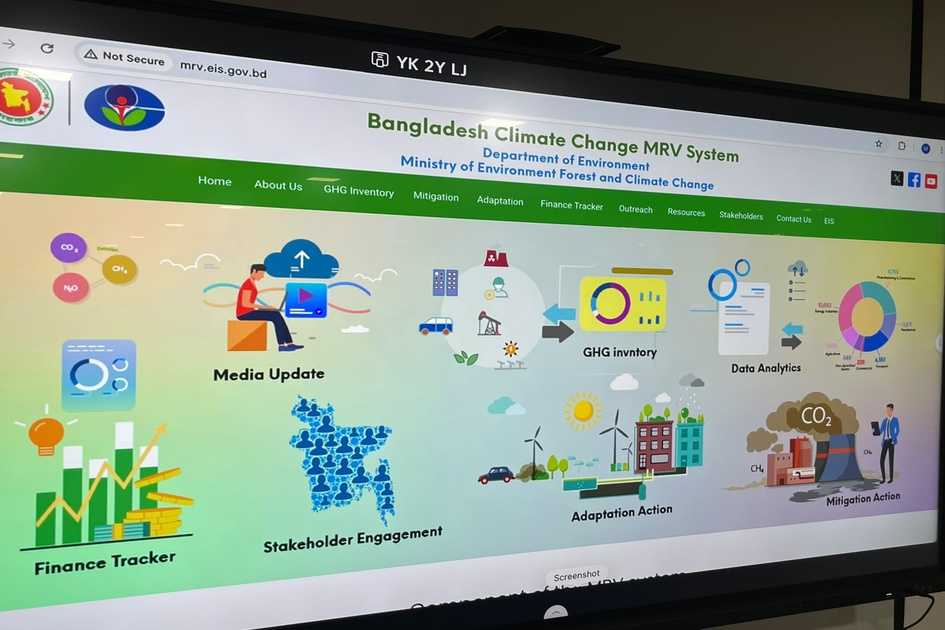
Professor Emeritus Dr Ainun Nishat said a credible Measurement, Reporting and Verification (MRV) system would be essential for accurately tracking greenhouse gas emissions, ensuring transparency under the Paris Agreement and strengthening access to international climate finance.
He called for a more dynamic approach based on reliable climate data, evidence-based policymaking and long-term planning.
Dr Nishat also highlighted the importance of adaptation finance, noting that countries like Bangladesh, which contribute minimally to global emissions but face severe climate impacts, require greater international support for resilience-building efforts.
Just transition puts people at the heart of climate action
Bangladesh’s climate transition will ultimately be judged by whether it delivers benefits for workers, young people, women and communities living on the frontline of climate change.
Climate policy advocates say a successful transition requires more than renewable energy and emission reductions. It requires new skills, decent employment opportunities, social protection and meaningful participation from communities.
Sohanur Rahman, Executive Coordinator of YouthNet Global, said Bangladesh’s climate roadmap must place people at the centre of implementation to ensure that climate ambition translates into real benefits on the ground.
“Climate policy cannot succeed through technology and investment alone; it must be rooted in justice, participation and human dignity. The implementation of NDC 3.0 should not only focus on reducing emissions but also on protecting livelihoods, creating decent green jobs and ensuring a just transition for workers, women, young people and climate-vulnerable communities,” he said.
Rahman emphasised the importance of youth-driven and people-centred approaches in climate policymaking, calling for Bangladesh’s Long-Term Low Emission Development Strategy to place communities, young people and vulnerable groups at the heart of the transition.
“With Bangladesh’s large youth population, the transition towards a low-carbon economy must also become an opportunity to develop green skills, create decent employment pathways and support youth-led climate innovation,” he added.
He stressed that localised adaptation, community leadership and youth-led green enterprises must become key pillars of Bangladesh’s climate strategy to build resilient coastal and urban communities.
“Climate finance must reach local communities, young people must be empowered as implementation partners and civil society must have meaningful participation in shaping climate solutions”, concluded Sohanur Rahman.




