

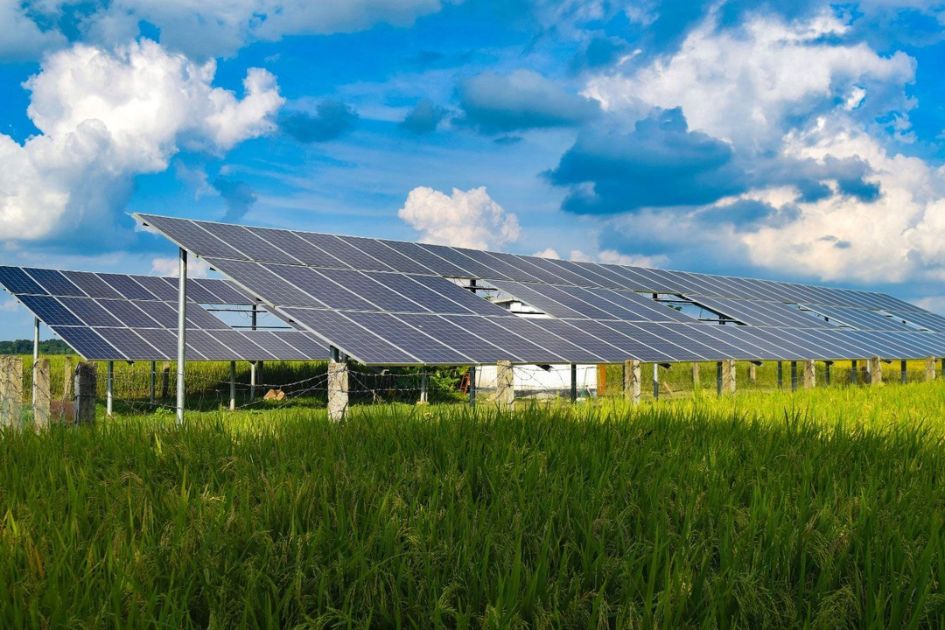



Farmers in Chuadanga are turning to solar irrigation pumps to offset fuel shortages, reduce costs, and ensure reliable water supply during the crucial Boro rice season.
Amid ongoing fuel shortages and persistent power outages, solar-powered irrigation pumps are emerging as a lifeline for farmers in Bangladesh’s southwest, helping sustain crop production during the critical Boro rice season.
In Chuadanga District, where irrigation is essential for dry-season farming, growers are increasingly relying on solar systems installed by the Bangladesh Agricultural Development Corporation and Wave Foundation. The technology is reducing dependence on costly diesel and unreliable grid electricity, ensuring an uninterrupted water supply to fields.
The district has around 99,120 hectares of cultivable land. This season’s Boro rice cultivation has slightly exceeded its target, reaching 35,239 hectares, according to the Department of Agricultural Extension. With harvest expected in the coming weeks, consistent irrigation remains vital as paddy fields enter their final growth stage.
Currently, 51 solar-powered irrigation pumps installed by BADC cover about 306 hectares of farmland. In parallel, Wave Foundation operates 54 solar irrigation projects across Chuadanga’s four sub-districts, covering nearly 6,000 hectares. Across the wider region, including Meherpur District, Kushtia District and Jhenaidah District, the organisation runs 128 such projects, benefiting about 4,500 farmers.
For farmers, the most immediate benefit is financial relief. Irrigation costs for Boro rice have dropped from about Tk 6,000 per bigha using diesel to around Tk 3,000 with solar pumps. In maize cultivation, irrigation costs have fallen to approximately Tk 1,600 per bigha, significantly easing production expenses.
“During this diesel crisis, solar pumps have become our main support,” said Sabuj Mia, a farmer from Shailgari village. “Costs have fallen by more than half, and we are seeing better yields.”
Farmers also point to reduced uncertainty and labour. “We no longer have to queue for diesel or worry about fuel shortages,” said Shahin Ali from Momimpur village, where about 120 bighas of land are now irrigated using solar pumps. “Irrigation is faster and hassle-free.”
Rokon Hossain, another farmer, said the shift has brought peace of mind. “We are no longer dependent on fuel availability. With solar pumps, irrigation is uninterrupted and crop production is stable,” he added.
Agricultural officials say the impact extends beyond cost savings.
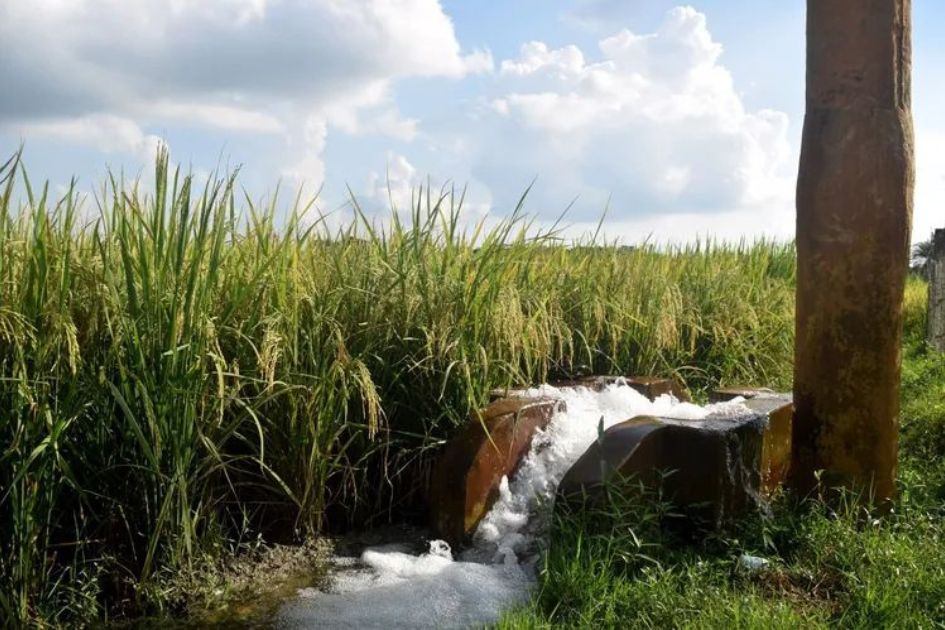
“At a time of dual crises, fuel shortages and load-shedding, solar irrigation is ensuring a continuous water supply,” said Masudur Rahman Sarkar, Deputy Director of the Department of Agricultural Extension in Chuadanga. “It is helping farmers maintain production while reducing overall cultivation costs.”
Bangladesh has been facing mounting pressure on its energy system due to global fuel price volatility and domestic power constraints. In this context, renewable energy solutions like solar irrigation are gaining attention as practical, climate-resilient alternatives for rural economies.
Sohanur Rahman, Executive Coordinator of YouthNet Global, emphasised that such transitions must prioritise people over profit. “This is what a just transition should look like, community-led, locally owned and responsive to real needs on the ground,” he said. “We must ensure that the shift to renewable energy is not corporate-driven, but rooted in equity, access and the leadership of farmers and frontline communities.”
As climate change continues to intensify risks for agriculture in Bangladesh, the growing adoption of solar irrigation in Chuadanga offers a promising pathway, linking clean energy with food security, reduced costs and greater resilience for vulnerable farming communities.




