


Disputes over coal expansion in Australia and methane emissions from Turkish landfills highlight the challenges facing the COP31 presidency as it pushes for stronger climate action.
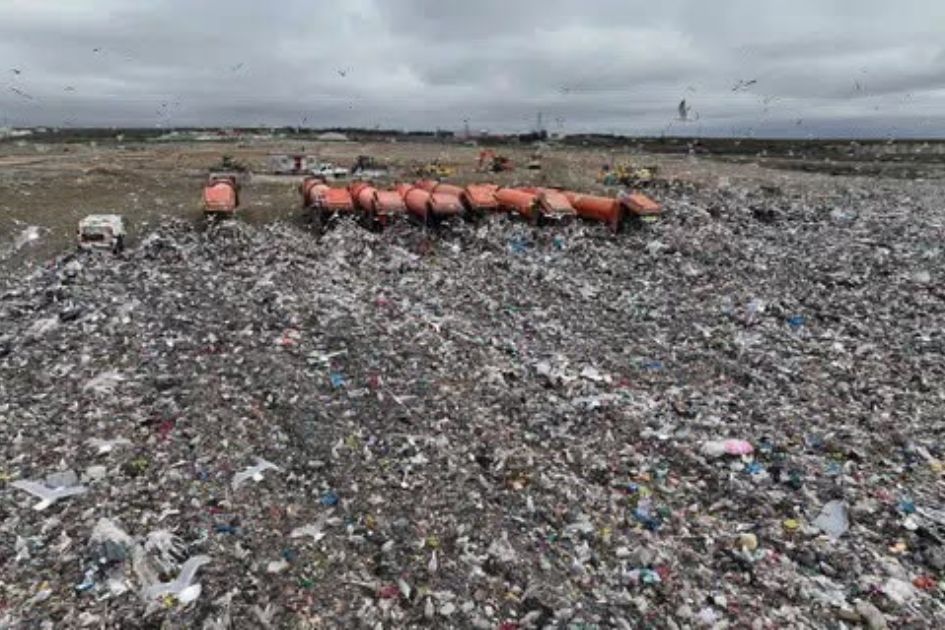
Australia heads into the COP31 climate talks with two coal mine extensions awaiting federal approval, while satellite observations show the Seymen landfill west of Istanbul releasing methane at an average detected rate of 7.4 tonnes an hour. Türkiye’s environment ministry told Reuters that the intermittent readings could not establish the landfill’s annual emissions.
The UN climate summit opens on Monday in Antalya and runs through 20 November. Türkiye’s Environment Minister Murat Kurum is the COP31 president-designate, while Australian Climate Change and Energy Minister Chris Bowen will lead the formal negotiations.
Canberra faces calls to halt fossil fuel expansion
In an open letter to Prime Minister Anthony Albanese, 503 Australian-based academics warned that continued fossil fuel expansion would undermine the country’s credibility at the talks. They called for a ban on new and expanded coal, oil and gas projects, a binding domestic phase-out timetable and an international agreement on deadlines. Indigenous knowledge researcher Anne Poelina said she signed to urge Albanese to listen to frontline communities, including those opposing proposed fracking in Western Australia’s Kimberley region.
The New South Wales Independent Planning Commission granted conditional approval on 30 September for mining at Hunter Valley Operations North until 2045 and at Hunter Valley Operations South until 2042. Hunter Valley Operations Pty Ltd manages both sites on behalf of joint venture owners Yancoal and Glencore. The commission cited jobs and regional economic benefits and acknowledged that mining and burning the coal would add to global emissions.
Asked at preparatory talks in Fiji last month whether Canberra would reject the extensions, Bowen said the decision rested with federal Environment Minister Murray Watt and that cabinet colleagues should respect his independence. Bowen told Australia’s ABC that expanding renewable energy at home and abroad was necessary to replace fossil fuels and that cutting supply also meant addressing demand.
During the Fiji talks, the Australia Institute and the Australian Conservation Foundation published a full-page advertisement in The Fiji Times apologising to Pacific island nations over the state approvals. Tuvalu’s climate minister, Maina Vakafua Talia, told SBS News that phasing out fossil fuels had to be part of the discussion in Antalya.
Satellite findings test Türkiye’s waste agenda
Researchers at the University of California, Los Angeles analysed public Carbon Mapper data from the Tanager-1 satellite between 1 January 2025 and 1 June 2026. They identified 70 methane plumes linked to 10 Turkish waste sites. Seymen had the highest average detected rate among the 10 sites.
The landfill captures some of the gas released by decomposing waste to generate electricity. Its municipal operator, ISTAC, told Reuters that a single reading of 12 tonnes an hour had raised the average. The operator said part of the landfill was uncovered that day while crews worked on gas collection pipes. Tia Scarpelli of Carbon Mapper said diverting food and other organic waste from landfills and improving gas capture could substantially reduce emissions at the largest sites.
The COP31 presidency wants to halve the projected increase in annual global waste generation by 2035. It is urging countries to prevent food waste, expand reuse and recycling, and set measurable targets for waste-sector methane in their national climate plans.
“Cutting methane from waste is one of the fastest ways to slow warming,” Kurum said in remarks reported by the Emirates News Agency. Over 20 years, a tonne of methane has about 80 times the warming effect of a tonne of carbon dioxide, according to the UN Environment Programme.
Türkiye has yet to join the Global Methane Pledge, under which participating countries aim to collectively cut global methane emissions by at least 30 per cent from 2020 levels by 2030.