




The miniature ivory sculptures offer rare insight into Ice Age artistic traditions, detailed observation of birds and possible symbolic practices among early modern humans in Europe.
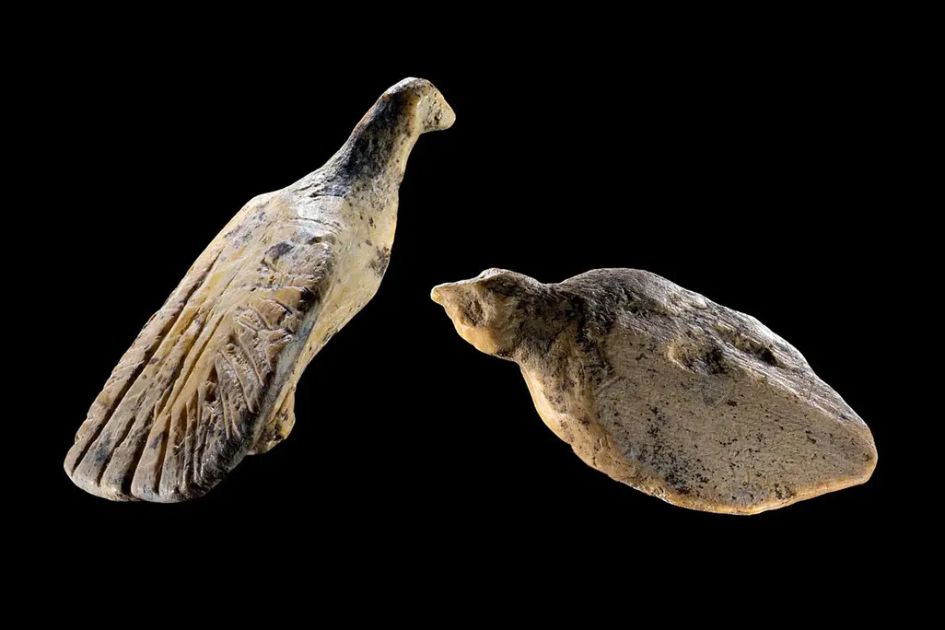
Archaeologists have uncovered two thumbnail-sized bird figurines carved from mammoth ivory about 40,000 years ago at Germany’s Hohle Fels Cave, a site known for some of the world’s oldest surviving figurative art.
The delicate sculptures, each measuring less than an inch long and weighing only a fraction of an ounce, were recovered during excavations in 2025 from prehistoric sediment inside the cave in southwestern Germany.
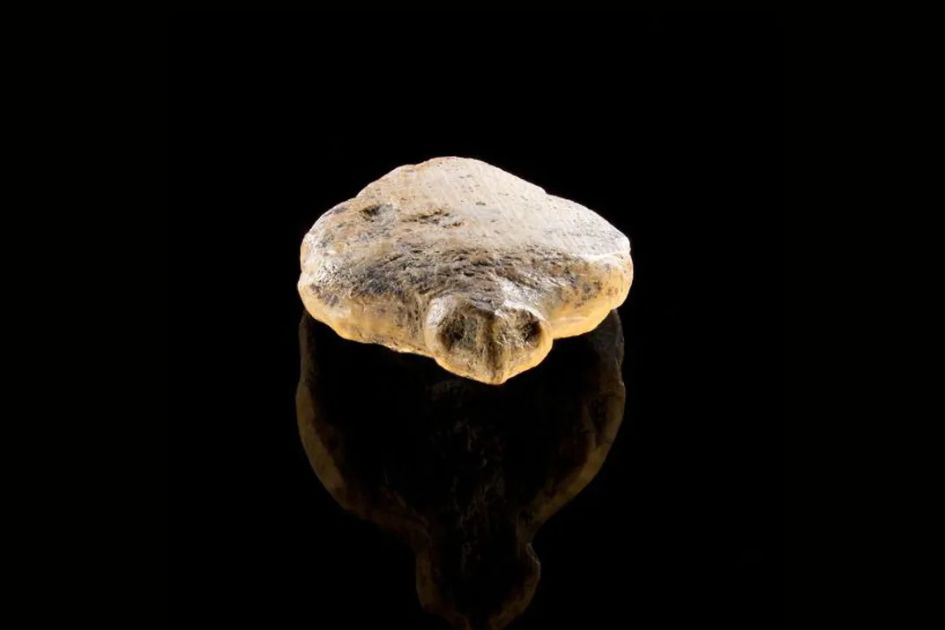
One depicts a bird with its wings spread, although parts of its body are missing. The second, found intact, appears to show a bird lying down, possibly tending to its eggs.
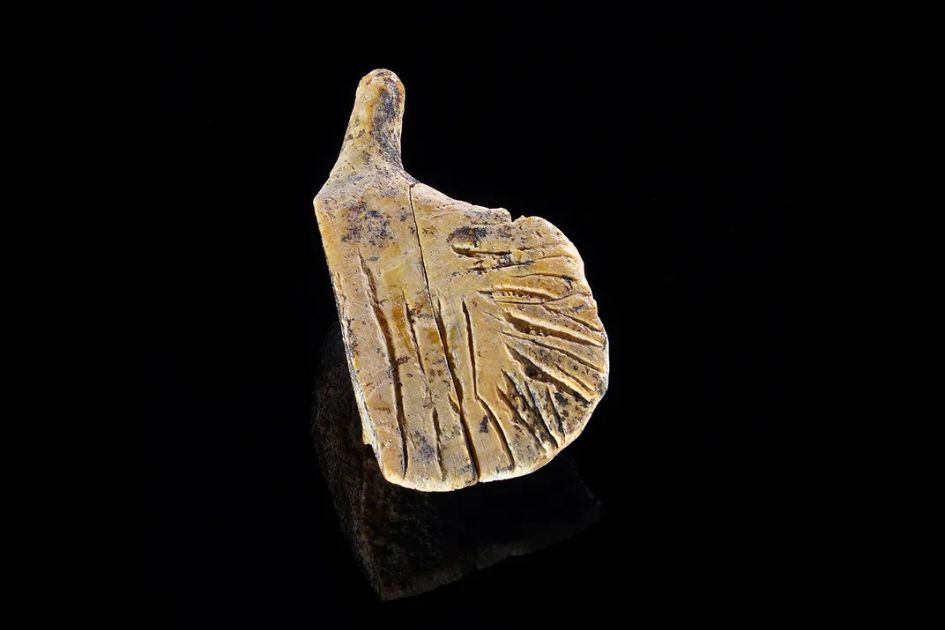
“The carvings are not highly stylized but instead include many specific and unique features,” Nicholas Conard, an archaeologist at the University of Tübingen in Germany, said in a statement. “Here, the artist has recorded detailed observations that allow us to consider which kind of bird is represented and what the bird could be doing.”
The figurines contain carefully worked features, including distinctive eyes and markings representing feathers. Researchers believe one may depict a ptarmigan, a member of the grouse family. The identity of the other is less certain, although it could represent another ptarmigan or a bird of prey.
Researchers said the two objects were made around the same time and may have been carved by the same artist. They were discovered about five feet apart at Hohle Fels.

The cave is one of six in Germany’s Swabian Jura region protected as part of a UNESCO World Heritage site. Archaeological excavations in the area, which began in the 1860s, have uncovered artifacts dating from between 33,000 and 43,000 years ago, including animal figurines and early musical instruments.
UNESCO describes the discoveries as “some of the oldest figurative art worldwide.”
The newly discovered birds came from archaeological layers dating to the Aurignacian period, associated with some of the earliest known modern human cultures in Europe.
Hohle Fels has previously yielded numerous prehistoric artifacts, including early bone flutes and the Venus of Hohle Fels, one of the oldest surviving examples of figurative art depicting a human.
Another bird sculpture was uncovered at the cave about 25 years ago. Its body was found in 2001, followed by the identification of its head and neck in 2002.
Researchers believe the nearly two-inch-long figurine represents a water bird, possibly a cormorant or duck. Shortly after its discovery, Conard wrote in the journal Nature that it was the “oldest known representation of a bird.”
Conard told Nature’s Ewen Callaway that artifacts of this kind may point to a level of cognitive acuity that helped early modern humans thrive in Europe during the Ice Age, while other groups, including Neanderthals, disappeared.
He hopes to investigate those ideas further by analysing ancient DNA recovered from sediments in the cave.
The newly discovered figurine showing a bird with its wings spread is the smallest Ice Age artwork found in the region, according to Schwäbische Zeitung’s Christoph Schneider. Other artworks dating to the same period typically measure between one and four inches long.
The two new figurines are now on display at the Museum of Prehistory Blaubeuren. When researchers presented the discovery there earlier this week, Conard noted that three bird sculptures have now been found at Hohle Fels, while nearby archaeological sites have produced figurines depicting other animals, according to Schwäbische Zeitung.
The difference suggests that communities living at separate sites created artworks focused on particular subjects. For reasons that remain unknown, the inhabitants of Hohle Fels may have had a particular interest in birds.
What purpose the sculptures served also remains uncertain. Researchers said in the statement that they could have been “personal talismans” or symbols associated with the identity of their owner.
Daniel Adler, a paleolithic archaeologist at the University of Connecticut who was not involved in the research, suggested that the objects could have been connected to group affiliation.
“These objects were created with a purpose other than simple enjoyment,” Adler told Nature.
Conard’s team has investigated Hohle Fels for nearly 30 years. During excavations, researchers carefully remove sediment before passing it through a fine mesh.
Elisa Luzi, a paleontologist at the University of Tübingen, identified one of the newly discovered bird figurines during that process.
“You see this figurine, and you feel the humanity of it all,” Luzi told Nature. “No one has seen these things for 40,000 years, and we are the first ones to do it. It’s a privilege.”
The two sculptures are being shown in the exhibition “Feather Light, Research Heavy: Discover the Miniature Birds in Ice Age Art” at the Museum of Prehistory Blaubeuren, which runs through April 4, 2027.
About Writer
Ellen Wexler is a staff writer and special projects editor, digital, for Smithsonian magazine.
This post is republished from Smithsonian magazine.




