

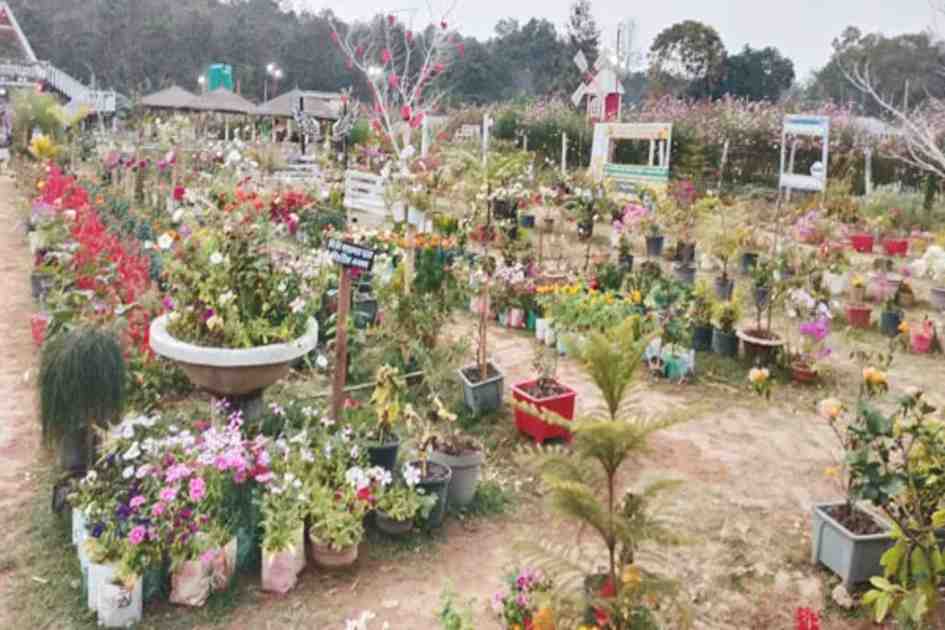



In Khagrachhari, a young entrepreneur has converted a polluting brick kiln into a vibrant flower village, blending eco-tourism, jobs, and landscape restoration across Bangladesh’s southeastern hill district for local communities.
A young entrepreneur in Bangladesh’s southeastern hill district has transformed an abandoned brick kiln, once a source of air pollution, into a thriving eco-tourism flower village that is generating employment and promoting nature-based livelihoods.
The initiative, named Shopnobilash Flower Village, has been developed in the Murapara area of Mahalchhari upazila, about 24 kilometres from Khagrachhari town along the Rangamati-Khagrachhari road. Spread across nearly two acres of land, the project reflects a growing trend of youth-led environmentally sustainable enterprises in Bangladesh.
Brick kilns are widely recognised as major contributors to air pollution and environmental degradation across the country. The transformation of such a site into a green tourism and agricultural venture highlights the potential of nature-based solutions to restore damaged landscapes while supporting local economies.
The project was founded by Khaled Masud Sagar, who studied law in Chattogram but chose entrepreneurship instead of pursuing a traditional professional career.
“I always wanted to do something where I could earn an income while creating employment opportunities for others,” Sagar said. “While travelling between Khagrachhari and my home in Mahalchhari, I repeatedly noticed this abandoned brick kiln. Since childhood, I have had a strong interest in flowers. In late 2023, I leased the kiln and surrounding land for about 500,000 taka (approximately 4,500 US dollars).”
After acquiring the site, Sagar began an extensive restoration process by removing debris and rehabilitating the damaged soil. Commercial flower cultivation formally started in 2024. The project initially began with just over 100 species of domestic and foreign flowers and has expanded rapidly within a short period.
Currently, the flower village cultivates nearly 400 varieties from around 200 types of flowers, including marigold, rose, hibiscus, chrysanthemum, dahlia, sunflower, orchid, night-flowering jasmine, gardenia and butterfly pea flower. The soil and climate of the hill region allow year-round flowering, although winter remains the peak blooming and visitor season.
The flower village has gradually become a popular tourist attraction in Khagrachhari, drawing visitors from different parts of the district and neighbouring regions. Visitors pay an entry fee of 30 taka (approximately 0.27 US dollars), making the destination accessible to a wide range of people.
The project has also created livelihood opportunities for local communities. At present, 15 workers are employed on a full-time basis, while an additional five individuals are engaged temporarily during busy periods. The initiative is also encouraging nearby residents to explore flower cultivation and tree plantation as alternative income sources.
To support agro-eco tourism, the garden includes a small coffee corner and restaurant, along with designated photography areas where visitors can capture views of the surrounding hills and flower gardens.
Sagar said the coffee corner was introduced to maintain environmental cleanliness and improve monitoring of the garden. “Many visitors previously brought outside food, which affected the cleanliness of the area. There were no nearby food outlets either. The coffee corner helps address these challenges and allows us to ensure better supervision of the garden,” he said, adding that visitors are fined if they damage plants or pick flowers.
Visitors say the flower village offers a rare experience in the Chattogram Hill Tracts. Arun Chakma, a visitor from Naniarchar in Rangamati district, said the diversity of flowers in a single location is uncommon in the region. He added that the site provides both recreational and educational value, especially for children.
Pipul Rakhine, a teacher at Mahalchhari Government High School, described the garden as an important recreational space in an area where entertainment facilities are limited. He said the flower village has become a place for family outings and a destination for welcoming guests from outside the region.
Local resident Md Sabuj said he regularly purchases flower saplings from the garden due to their affordability and quality. He believes the project demonstrates the commercial potential of floriculture in Bangladesh’s hill areas.
Financially, the project is gradually becoming sustainable. Sagar said he earns between 45,000 and 50,000 taka per month (approximately 400 to 450 US dollars) during peak flowering seasons after expenses. Although income declines during off seasons, he remains optimistic about long-term prospects. As part of diversification efforts, he has recently introduced fish farming alongside floriculture.
With increasing interest in eco-tourism and environmentally responsible enterprises, Shopnobilash Flower Village represents a growing model of how youth entrepreneurship, environmental restoration and community employment can work together. The transformation of a former industrial pollution site into a flourishing ecological and economic space reflects the broader potential for sustainable rural development in Bangladesh.




