

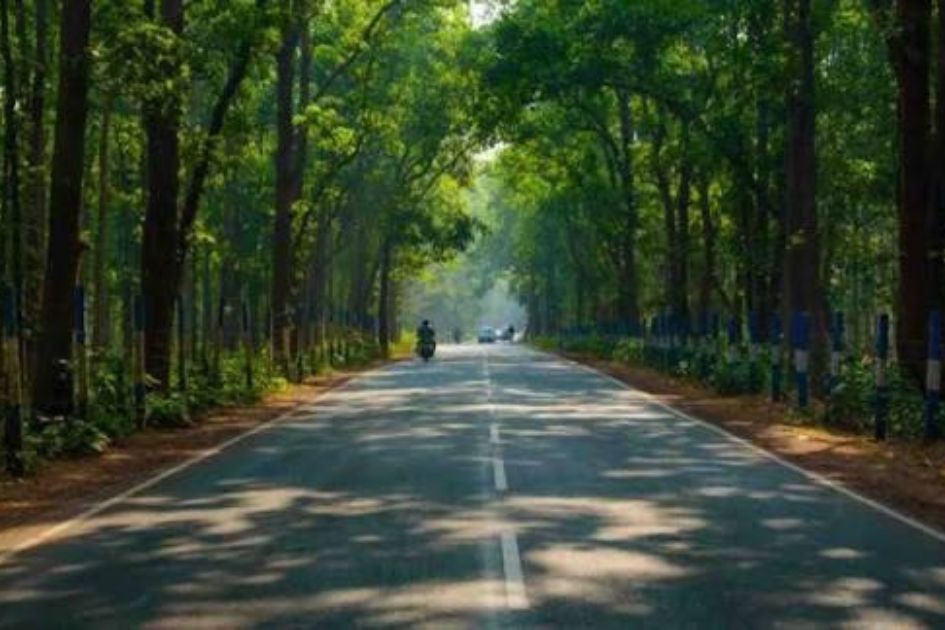



West Bengal builds an 800-km green wall along the Jharkhand border to intercept industrial pollution, improve air quality, create rural jobs and restore ecosystems across western districts, benefiting communities’ health and livelihoods.
West Bengal has launched one of India’s longest green walls along its border with Jharkhand to combat air pollution drifting into the state from neighbouring industrial and mining regions. The 800-kilometre initiative, led by the West Bengal Pollution Control Board in collaboration with the West Bengal Forest Development Corporation, aims to intercept harmful pollutants, improve air quality and strengthen local ecosystems.
Kalyan Rudra, chairman of the West Bengal Pollution Control Board, described the project as a bioshield along the Jharkhand border that will significantly improve air quality in western districts. He also highlighted Kolkata’s recognition as one of India’s cleanest metropolitan cities.
The green wall stretches across four districts: Jhargram, Purulia, West Bardhaman and Birbhum. It is being developed in three layers. The first layer consists of shrubs, followed by medium-height trees in the second layer and tall long-living species in the third. Tree species such as neem, arjun, koranja, jamun, guava, kalke and chishu were selected for their ability to absorb dust and harmful gases, prevent soil erosion, increase water retention and support local biodiversity.
Plantation worker Devdyuti Sau said, “We planted 7,000 saplings near the West Bengal-Jharkhand border. Many have grown significantly and we hope they will help curb pollution effectively.” Local communities are actively involved in the project, generating environmental benefits while supporting rural livelihoods and contributing to the local economy.
Environmental experts note that coal-mining and industrial hubs in Jharkhand, including Dhanbad, Bokaro and Ranchi, release high levels of particulate matter, sulphur dioxide, nitrogen oxide and carbon monoxide. Seasonal winds and temperature variations carry these pollutants into West Bengal’s western districts, leading to respiratory problems, eye irritation and other health issues. Forest fires and heavy vehicle traffic along the border further worsen the situation.
This year, 340 hectares have been planted under the project, generating nearly 57,723 workdays and providing employment for rural and marginalised communities. Environmentalists have described the initiative as a pioneering step in pollution control that could serve as a model for other regions facing cross-border air quality challenges.
The project was announced during a special session titled “Fostering Climate Consciousness: Business and Beyond” on the eve of World Environment Day last June.




