




Nearly 60 countries gather in Colombia to explore pathways for phasing out fossil fuels, amid rising climate urgency and ahead of key global negotiations shaping future energy transition strategies.
Nearly five dozen countries are set to convene in Santa Marta from April 24 to 29 for a high-level international conference aimed at accelerating the global transition away from fossil fuels.
The gathering will bring together countries representing roughly $42 trillion in combined GDP, alongside significant shares of global oil and gas demand, highlighting both the scale of the challenge and the urgency of aligning with global climate targets, including limiting warming to 1.5°C.
Participants include nations such as Bangladesh, Brazil, Germany, Canada and Australia, along with the European Union. However, the absence of major emitters such as the United States, China, India and key Gulf states raises questions about the overall impact of the meeting.
Analysts note that without these major economies, the scope for immediate large-scale commitments may remain limited, even as participating countries seek to build momentum.
Despite expectations heightened by recent global energy tensions, including the Iran-related crisis, officials suggest the summit is unlikely to produce immediate commitments on fossil fuel phase-outs. Instead, discussions will focus on identifying “routes and mechanisms” for financial, fiscal, regulatory and international cooperation to support a long-term transition away from oil, gas and coal.
Observers describe the meeting as an early but important step in a broader process that will feed into upcoming global climate negotiations, particularly the roadmap being developed ahead of COP30.
“It will be very interesting to see what happens with Santa Marta. They are complementary, but they are parallel processes,” said COP30 President-Designate André Corrêa do Lago.
The outcomes of the conference are expected to inform a draft global transition roadmap to be released ahead of mid-year climate meetings in London and Bonn, potentially shaping future negotiations at COP31.
Experts caution that transitioning away from fossil fuels involves complex economic and social challenges, including large-scale investments in energy infrastructure, managing declining revenues from oil and gas and supporting workers in carbon-intensive sectors.
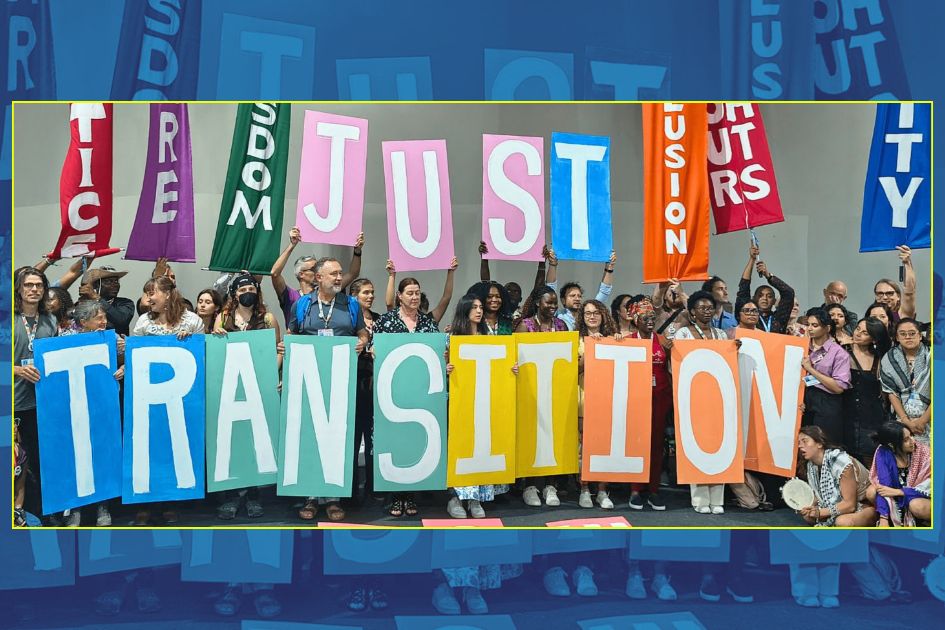
“Transitioning away from fossil fuels must not only be about targets, but about justice, inclusion and protecting the most vulnerable communities who are already facing the impacts of climate change,” said Sohanur Rahman. “Without ensuring equity and locally led solutions, the global transition risks leaving many behind.”
At the same time, global momentum is building. All 195 parties to the Paris Agreement have committed to climate action, and dozens of countries have introduced restrictions on fossil fuel production.
According to the International Energy Agency, clean energy sources, particularly solar and wind, accounted for nearly all global electricity demand growth in 2025, while overall electricity demand grew significantly faster than total energy demand.
“We are not going back to where we were,” said Fatih Birol, pointing to accelerating shifts toward cleaner energy systems.
However, challenges remain. Countries such as Australia continue to provide substantial subsidies to fossil fuel industries, underscoring ongoing tensions between economic dependence and climate commitments.
The Santa Marta meeting also comes ahead of Colombia’s upcoming presidential election in May, where energy policy and the future of fossil fuels are emerging as key campaign issues.
While immediate breakthroughs may be unlikely, analysts say the gathering represents a critical platform for building consensus and advancing practical pathways toward a global energy transition.
As countries navigate economic pressures, geopolitical shifts and climate urgency, the outcomes from Santa Marta could help determine whether global climate ambition translates into real-world action.




