




Türkiye’s claim of ultimate authority puts the COP31 power-sharing arrangement under scrutiny, raising fresh questions over how Ankara and Canberra will divide responsibilities.
Compromise struck at COP30 now faces its first real test as Antalya summit nears.
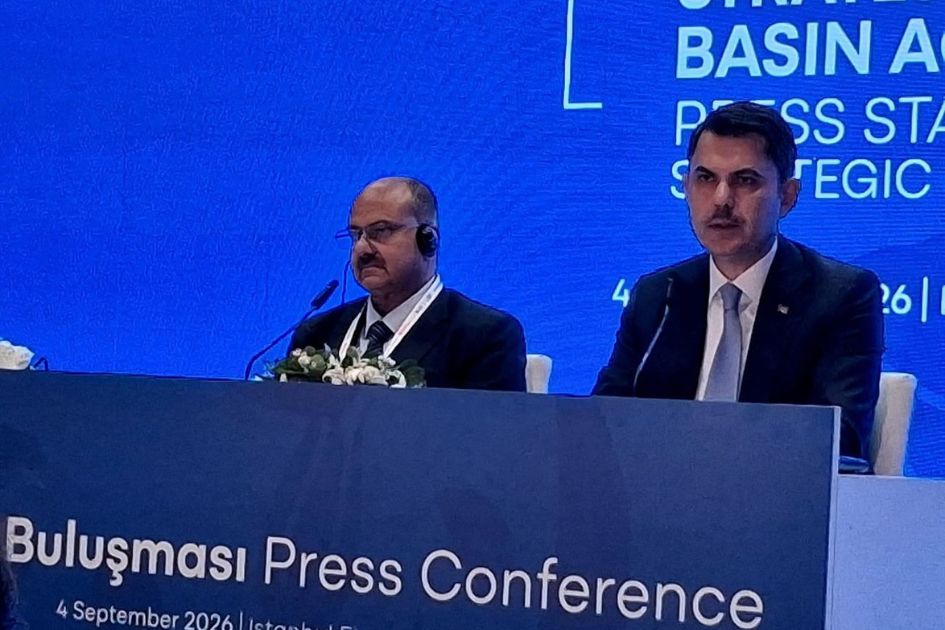
A carefully brokered power-sharing arrangement between Türkiye and Australia for the upcoming COP31 climate summit is under fresh strain after Turkish Environment Minister Murat Kurum declared that his country’s COP presidency would have the “final say” over proceedings, a claim that appears to sit uneasily with Canberra’s understanding of the deal.
The remarks have reignited questions about who will ultimately control the world’s most consequential annual climate gathering, which is scheduled to take place in this Mediterranean coastal city from November 9 to 20.
A deal born of deadlock
The dual-leadership structure was never intended to become a power struggle. It was designed to end one.
At COP30 last year, a standoff over hosting rights threatened to overshadow the climate talks until Australia agreed to withdraw its bid. Under the compromise, Türkiye would host and preside over COP31, while Australian Climate and Energy Minister Chris Bowen would take on the newly created role of President of Negotiations.
At the time, Canberra was clear about the scope of the role. The Australian government said it would have “exclusive authority” in relation to the negotiations, language that appeared to give Australia a distinct mandate over the substantive negotiating process.
Two roles, one summit
On paper, the division of responsibilities is clear. Türkiye, as host and COP presidency, will oversee the presidency and diplomatic architecture of the conference and work to build consensus among the parties. Australia, as President of Negotiations, will be responsible for steering the formal negotiating process on issues including emissions reductions, climate finance, adaptation and implementation of the Paris Agreement.
But diplomacy rarely follows an organisational chart.
Kurum’s insistence that Ankara retains the final authority suggests that the boundaries between the two roles could prove less straightforward in practice.
Public unity, private ambiguity
For now, both sides continue to publicly support the arrangement.
Kurum and Bowen jointly unveiled a vision for COP31 in May, calling for stronger collective climate action, faster implementation and deeper international cooperation under the Paris Agreement.
That public show of unity has not been formally withdrawn. But Kurum’s latest remarks have put the question of authority back into focus as preparations for the summit accelerate.
The stakes for Australia are particularly significant. Canberra’s decision to step aside from hosting COP31 was central to the compromise that allowed Türkiye to secure the summit.
Any perceived weakening of Australia’s negotiating mandate could therefore test the understanding that made the agreement possible.
What happens in Antalya
The immediate question is not whether the arrangement has formally collapsed. It is how a host presidency and a separate negotiations presidency will share authority once ministers and negotiators begin dealing with politically sensitive issues in Antalya.
The COP presidency has an important role in facilitating consensus, while the President of Negotiations is expected to steer the formal talks.
With the summit approaching, both sides have a limited window to clarify how their respective responsibilities will work in practice.
If the ambiguity remains unresolved, the dispute over who has the final say could itself become a distraction at a summit already expected to face difficult negotiations over climate finance, emissions reductions, adaptation and the implementation of existing commitments.




