

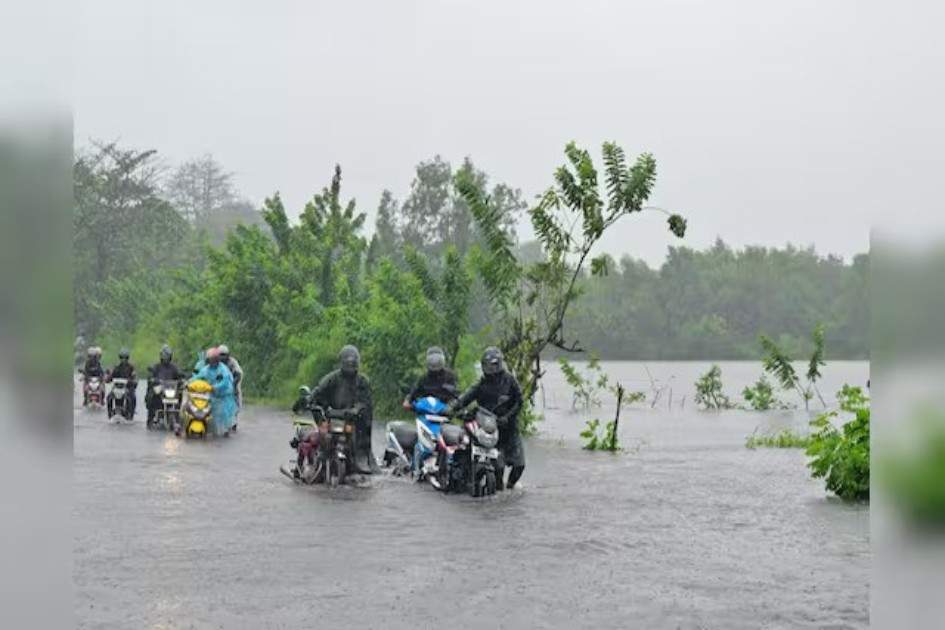

Sri Lanka rushed soldiers, helicopters and navy boats into battered districts on Friday as floods and landslides killed at least 56 people and left 21 missing. With rivers swelling and rains intensifying, thousands have been evacuated amid fears conditions will worsen
Sri Lanka intensified rescue operations on Friday as relentless monsoon rains triggered deadly floods and landslides across the island, killing at least 56 people and leaving 21 others missing. Military helicopters, navy boats and thousands of troops have been deployed to reach stranded communities as river levels continue to rise, reported AFP.
The Disaster Management Centre (DMC) said rainfall had swept across nearly the entire country, with some regions receiving as much as 360 millimetres in 24 hours. Officials warned that the Kelani River, which runs through Colombo, was dangerously close to bursting its banks, prompting fresh calls for residents to move to safer ground.
In Kaduwela, just outside the capital, long-time resident V. S. A. Ratnayake said he fled as water surged through his home. “This may be the worst flooding here in 30 years,” he told AFP, recalling a deluge in the 1990s that submerged his house under more than two metres of water.
More than 20,000 soldiers have been deployed to high-risk areas, while the navy is ferrying villagers to safety and clearing debris from blocked waterways. According to the DMC, 26 of the confirmed dead were buried in mudslides in the central tea-growing Badulla district. Fourteen people remain hospitalised, and nearly 3,000 homes have been damaged or destroyed.
Across the country, dramatic rescues have unfolded. In Anuradhapura district, an Air Force helicopter plucked to safety a man who had climbed a coconut tree to escape rising waters. Military footage shows similar operations as rescuers navigate fast-flowing waters and submerged landscapes.
Authorities warned that more rain is expected as Cyclone Ditwah shifts southward toward India’s Tamil Nadu state. Officials fear flood levels could surpass those seen in 2016, when 71 people were killed nationwide.
Along the Kelani River, M. A. Madushantha said he moved his family out the night before the water rose. “I sent my wife and children away because we knew what was coming,” he said, watching floods swallow the lower floor of his house.
Dire pleas for help were broadcast on national media. Sirasa TV aired a call from a woman in Ruwanwella who said she and five others, including a toddler, were trapped on the upper floor of their flooded two-storey home. “If the water climbs a few more steps, we will have nowhere to go,” she said.
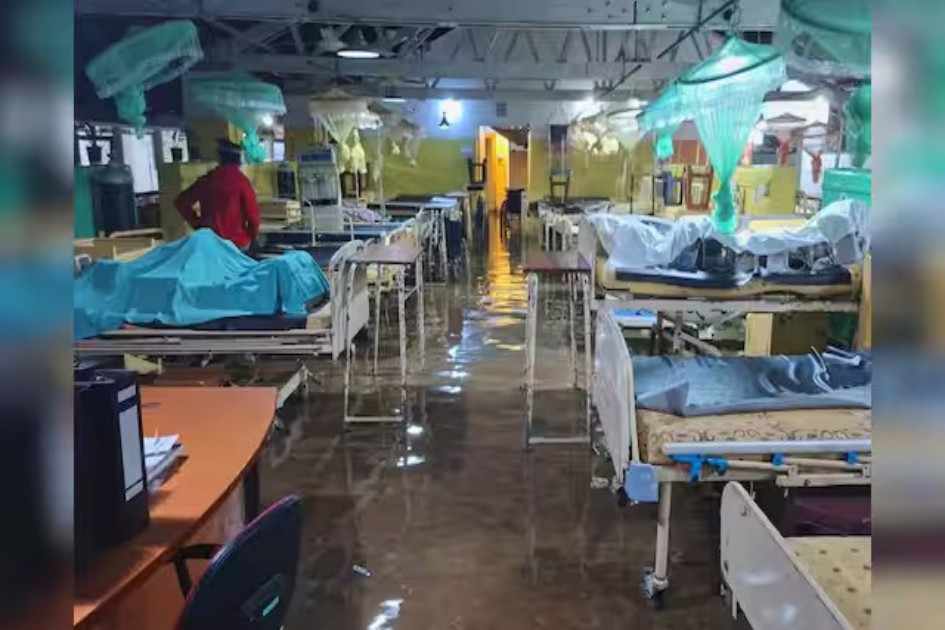
Transport Minister Bimal Rathnayake said 60 stranded Indian tourists were taken to Colombo, while the government suspended nationwide school exams and granted civil servants a day off. Parliament also halted its budget debate so lawmakers could return to assist their flood-hit constituencies.
Sri Lanka’s monsoon is typically vital for irrigation and hydropower, but scientists warn that climate change is intensifying rainfall patterns and increasing the frequency of catastrophic floods. This week’s toll marks the deadliest spell of weather since last June, when 26 people died in heavy rains. The worst flooding in recent memory struck in 2003, killing 254 people.




