

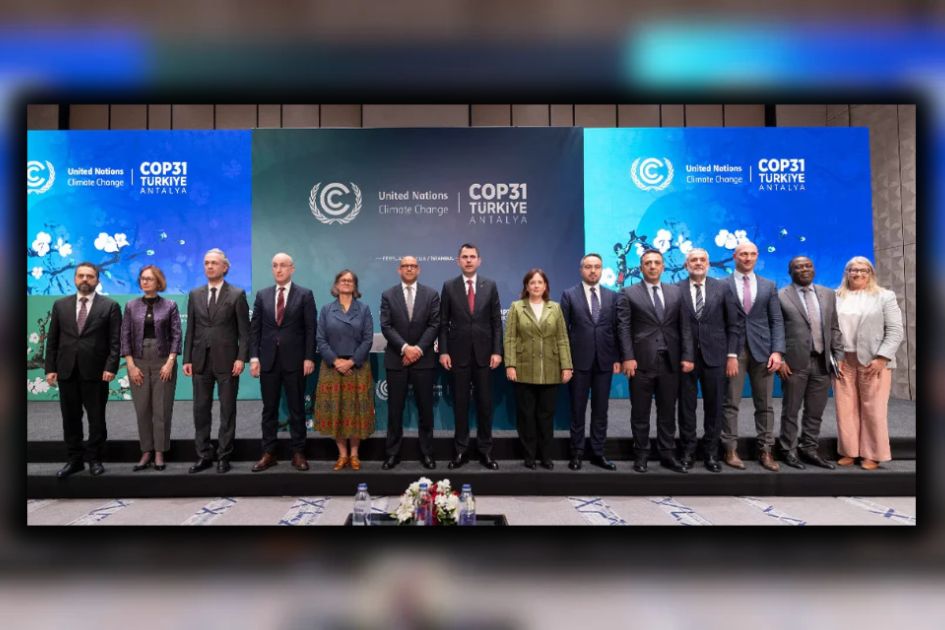



Turkey and Australia will seek progress on electrification and climate action as fossil fuel divisions and demands for greater climate finance persist.
Record global temperatures, mounting climate-related losses and growing pressure to move away from fossil fuels will dominate discussions as the COP31 climate summit opens in Turkey’s Antalya on Nov 9.
Turkey is hosting the lengthy negotiations, while Australia will lead the conduct of the conference. The arrangement follows an unprecedented compromise after both countries bid to host one of the world’s most important climate conferences.
The formal negotiations are expected to contain relatively few major new issues. Instead, voluntary climate initiatives will receive greater attention, with the hosts placing particular emphasis on electrification as a way to reduce greenhouse gas emissions and dependence on fossil fuels.
But severe climate disasters this year and instability in global energy markets are also expected to shape discussions both inside and outside the conference venue in the Turkish coastal city.
Fossil fuel deadlock
Efforts to establish a specific global target or roadmap for ending the use of fossil fuels have remained stalled for years. As in previous years, the contentious issue is not formally included on the COP31 agenda.
With no global consensus on the issue, Brazil may publish a voluntary roadmap this year.
At last year’s COP summit, countries failed to reach agreement on the process of moving away from coal, oil and gas.
The long-running deadlock over fossil fuels could again create tensions in Antalya. Around 60 countries that have called for a rapid reduction in fossil fuel use held a separate meeting this year outside the formal United Nations process.
It remains unclear how these countries will be involved in COP31.
Turkey and Australia have said, however, that they want to maintain predictability in the negotiations and do not intend to introduce any last-minute surprises.
Focus on electrification
Turkey and Australia instead want to place greater emphasis on electrification. This means replacing technologies that directly burn fossil fuels, such as diesel-powered vehicles and gas heating for homes, with electric alternatives.
One of the hosts’ main initiatives in Antalya is to encourage countries to agree to a voluntary target under which electricity’s share of total final energy consumption would rise from around 20 percent currently to 35 percent by 2035.
The hosts say greater use of electricity could reduce emissions of greenhouse gases that trap heat and lessen dependence on costly fossil fuel imports. The issue has become particularly important for many countries following a major shock to global energy markets caused by wars in the Middle East.
However, around one-third of the world’s electricity is still generated from coal. Questions have therefore been raised over the feasibility and credibility of the initiative because it does not provide clear guidance on how the additional electricity would be generated.
Voluntary climate initiatives
Alongside the main electrification initiative, Turkey is pursuing a number of voluntary measures covering issues including artificial intelligence, methane emissions, waste reduction and the development of climate-resilient cities.
These non-binding commitments will form part of a separate “Action Agenda” alongside the formal COP negotiations.
Formal decisions require consensus among all countries, with nations needing to agree on every sentence of the final document.
This year’s formal negotiations contain relatively few issues likely to generate major headlines. Most discussions will focus on technical matters carried over from previous summits.
Climate finance
One of the oldest disputes at COP summits concerns how much wealthy countries should provide to poorer nations to address the impacts of climate change.
The issue is expected to regain prominence in Antalya following devastating climate-related floods in Nepal.
An appeal for financial assistance from Nepal’s climate-affected capital, Kathmandu, has brought renewed attention to the long-standing demand.
Poorer countries have called for historically high-polluting wealthy nations to provide more funding to help them shift to renewable energy, cope with the impacts of climate change and recover after disasters.
Turkey has presented itself as a bridge between developed and developing countries. COP31 president Murat Kurum said reducing the existing “huge gap” in climate finance would be one of the Antalya summit’s main priorities.




