

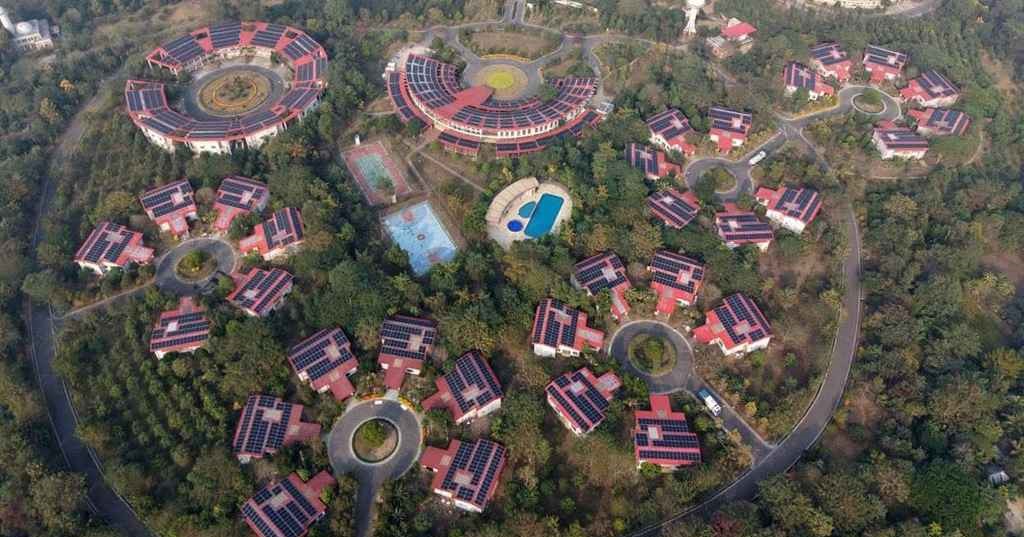

A 2.49 MWp solar plant at Padma Bridge’s Service Area-2 is reducing electricity bills, supplying surplus power to the grid and supporting Bangladesh’s clean energy transition.
Bangladesh’s landmark Padma Bridge has marked a new milestone in green energy use with the successful installation and launch of a 2.49 MWp solar power system at Service Area-2 under the Bangladesh Bridge Authority, sharply reducing electricity costs and supporting national energy security, officials said.
The new system is already generating significant savings in the bridge area by lowering reliance on conventional electricity, according to a statement on power savings from solar use at Padma Bridge.
Officials said the project reflects the government’s broader push to expand renewable energy and solar systems across the country, an effort repeatedly encouraged by the prime minister. They added that the road transport and bridges minister and state minister have been working relentlessly to turn that green energy vision into reality.
In the statement, Bridge Division Secretary and Bangladesh Bridge Authority Executive Director Mohammad Abdur Rouf said the successful use of renewable energy at a national installation like Padma Bridge was highly significant.
He said the system was not only reducing electricity bills but also playing a major role in protecting the environment and cutting carbon emissions. He added that the bridge authority would continue to play a leading role in implementing the government’s forward-looking policies.
The electricity generated by the solar system at Service Area-2 has been connected to the national grid through a net metering system. During daylight hours power produced by the solar panels is meeting the service area’s own demand. Any surplus electricity after that demand is met is being supplied to the national grid.
At night or during cloudy weather power taken from the grid is being adjusted against the electricity supplied during the day. Officials said this has sharply reduced the overall electricity bill for the service area and is saving a large amount of public money. They also described it as a highly cost-effective model that helps maintain environmental balance.
Officials said that because of solar power use at Service Area-2 no electricity bill was issued for June 2026 apart from a demand charge of 75,714 taka. The electricity bill for May had been 521,064 taka.
In May the facility supplied 54,000 kWh of electricity to the national grid while 34,000 kWh was used from the Shariatpur rural electricity network. The Bangladesh Bridge Authority recorded a saving of 20,000 units.
The combined installed capacity at Service Area-1 Service Area-2 and Service Area-3 stands at 6.03 megawatts. Net metering activities are now under way at Service Area-1 and Service Area-3 as well.
Source: RTV




