




Pacific island nations seek stronger climate commitments, resilience funding and recognition of their vulnerabilities as Australia prepares to lead negotiations ahead of COP31 in Turkey.
Australia’s push to put Pacific island nations at the heart of global climate diplomacy is facing a setback, with few leaders from outside the region expected at a pre-COP gathering in Tuvalu and Fiji next week, diplomats and officials say.
Australia and its Pacific island partners had hoped to transform the conference, a precursor to the United Nations’ flagship COP31 climate summit, into a high-profile event drawing some of the world’s most prominent leaders to a tiny atoll threatened by rising seas and extreme weather.
A strong international presence would also help Canberra strengthen ties with island nations and counter Chinese influence in a region that has become a strategic flashpoint.
But organisers have confirmed the attendance of leaders from only five countries outside the Pacific bloc: Antigua and Barbuda, Cabo Verde, Thailand, the Maldives and East Timor.
“We were hoping for more,” said Vanuatu’s climate minister, Ralph Regenvanu, adding that the limited turnout reflected “the lack of attention and priority given to what Pacific nations consider the greatest threat to their future”.
Nevertheless, the Fijian government said around 30 representatives of countries and institutions would attend the leaders’ segment, making it the first pre-COP gathering attended by presidents or prime ministers.
“One leader showing up, even from the Pacific, is a big step,” said Palau President Surangel Whipps Jr.
But he criticised countries that seek to present themselves as Pacific partners while staying away from the meeting.
“If you’re a true partner, then deliver,” he said.
While the Australian government has emphasised the importance of the gathering, opposition parties that have rejected climate action have criticised the meeting and described the low turnout as “a diplomatic disaster”.
A spokesperson for Australia’s climate ministry said the pre-COP conference would raise the profile of Pacific climate leadership and advance the region’s climate goals.
The meeting runs from October 5 to 8, with leaders spending about a day in Tuvalu before travelling to Fiji, where they will sign a declaration.
Around 4,000 delegates are expected in Fiji, where negotiators will spend several days advancing agreements ahead of COP31, scheduled to take place in Turkey in November.
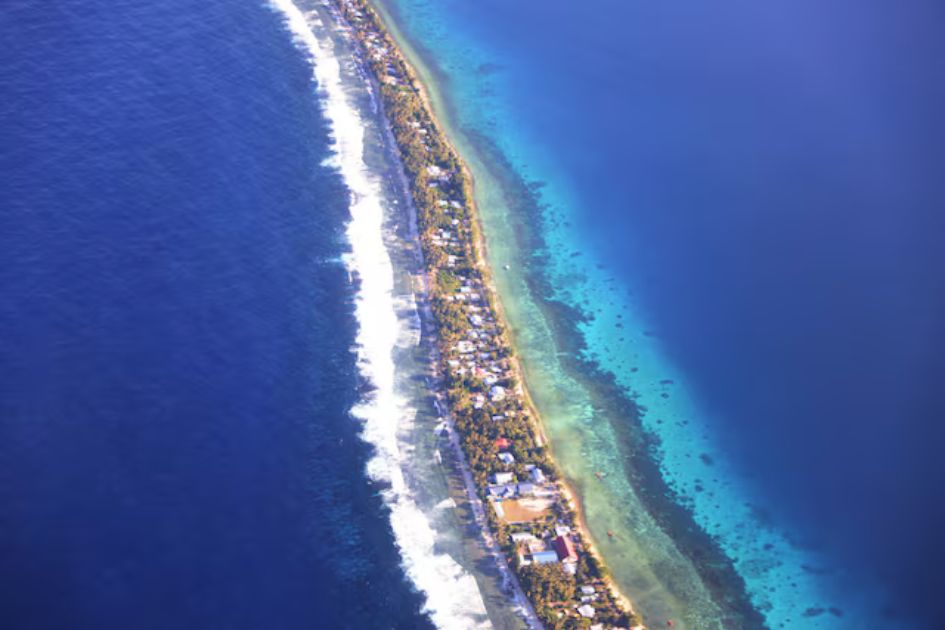
In Tuvalu, a group of atolls home to around 10,000 people, visiting leaders will travel by canoe and see reclaimed land designed to withstand rising sea levels, as well as solar projects intended to reduce dependence on diesel, said Tuvalu Climate Minister Maina Talia.
“Our fate will be defined by the major polluters,” Talia said. “We are hoping the leaders will see our vulnerabilities, but also solutions that will keep us afloat.”
Pacific island nations are seeking to limit global warming to 1.5 degrees Celsius above pre-industrial levels to avoid the worst impacts of climate change, protect oceans and secure greater access to funding to strengthen the resilience of their land and economies.
Island governments are also seeking donations to the Pacific Resilience Facility, which will finance climate projects across the region.
The United Nations’ environment body said last month that the world was on course to exceed the 1.5-degree target in the coming years, fuelling more extreme weather and increasing pressure on low-lying communities.
Several Western diplomats said they could not justify sending their leaders on a multi-day journey when they would also be expected to attend COP31 in Turkey weeks later.
One European diplomat said images of world leaders visiting Tuvalu could send a powerful message, but argued that Australia appeared more interested in securing a diplomatic victory than advancing climate negotiations.
Australia’s Department of Foreign Affairs did not respond to a request for comment on the criticism.
Australia is the Pacific’s largest aid provider but is also one of the world’s biggest fossil fuel exporters, shipping coal and liquefied natural gas worth around $100 billion a year.
The country continues to approve gas and coal projects despite protests from many Pacific nations.
Palau’s Whipps said he would prefer Australia to benefit from fossil fuels rather than countries such as Russia or Saudi Arabia, which he said were less committed to a green transition or supporting vulnerable nations.
“If someone’s going to make money, it might as well be Australia,” he said.
Australia initially sought to host COP31 and make it the first “Pacific COP”. Turkey ultimately secured hosting rights, but Canberra is leading negotiations and giving Pacific island nations a greater role than they typically receive.
“The Pacific is doing everything that it can to influence decision makers,” said Fiji’s climate minister, Lynda Tabuya. “This is our moment.”




