

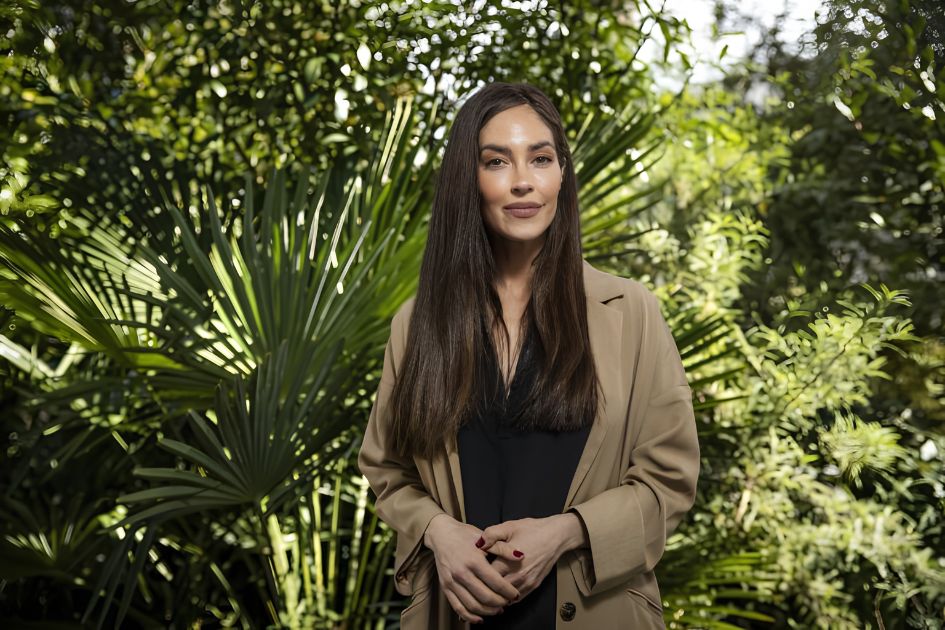



Australian environmentalist Natalie Kyriacou says online climate misinformation is increasingly targeting younger audiences, while urging governments to shift support from fossil fuels to sustainable sectors.
Climate misinformation is being increasingly directed at men and boys through social media, an Australian environmentalist has warned, as she urged governments worldwide to redirect support away from fossil fuels towards sustainable sectors such as regenerative agriculture.
Natalie Kyriacou, delivering the keynote address at the 83rd Annual Thomas Cawthron Memorial Lecture in Nelson, said political systems in several countries remained shaped by entrenched interests seeking to keep fossil fuels embedded in national economies.
“There are very powerful interests who are trying to manipulate public opinion,” she said.
According to Kyriacou, longstanding efforts by parts of the fossil fuel industry to cast doubt on climate science have gained new reach online, amplified by influencers and sections of the media that portray climate action as an economic threat, including by linking renewable energy with poverty, food insecurity or rising living costs.
She pointed to research suggesting that climate denial content is being disproportionately directed towards men and boys on social media, raising concerns about how online platforms may shape younger audiences’ understanding of climate science and policy.
Kyriacou also referred to high-profile online personalities whose platforms have hosted discussions questioning aspects of climate science or climate policy, saying such content can reach large audiences.
She further alleged that fossil fuel companies and associated networks have supported influencers, think tanks and campaigns promoting misleading narratives about renewable energy and environmental policies.
Kyriacou said social media algorithms were intensifying the problem by rewarding provocative and emotionally charged content, contributing to greater social division, including over issues such as climate change and immigration.
“We have people who accept the science behind gravity, antibiotics and airplanes, but they don’t accept the science behind climate change,” she said.
She also criticised governments that, in her view, were failing to respond to climate and environmental risks with sufficient urgency.
“We already know that the lives of children born today are going to be harder than ours because of climate change,” Kyriacou said.
She argued that governments had a responsibility to protect young people, communities and the environment when making decisions on energy, development and climate policy.
Kyriacou also called for the public to have greater control over algorithm-driven content on social media platforms, saying users should be able to exercise more choice over what recommendation systems place in front of them.
Alongside regulatory measures, she stressed the importance of rebuilding offline community ties as more social interaction moves into digital spaces.
“We need to encourage people to go outside, connect as a community,” she said.
Kyriacou said stronger neighbourhood and friendship networks could help people maintain relationships despite political and social disagreements, rather than allowing differences to become permanent divisions.
She also cited bird-watching and citizen science as examples of how enjoyment of nature can translate into practical conservation action and bring together people with different views.
She challenged economic systems that prioritise indicators such as gross domestic product and interest rates while giving less attention to human wellbeing and environmental health.
“Why do we have an economy that does not consider human or environmental health?” she asked.
Kyriacou is a board director of Australia’s Foundation for National Parks and Wildlife, an ambassador for the Australian Conservation Foundation and founder of environmental non-profit My Green World.
She is also a recipient of the Medal of the Order of Australia and author of Nature’s Last Dance: Tales of Wonder in an Age of Extinction.




