

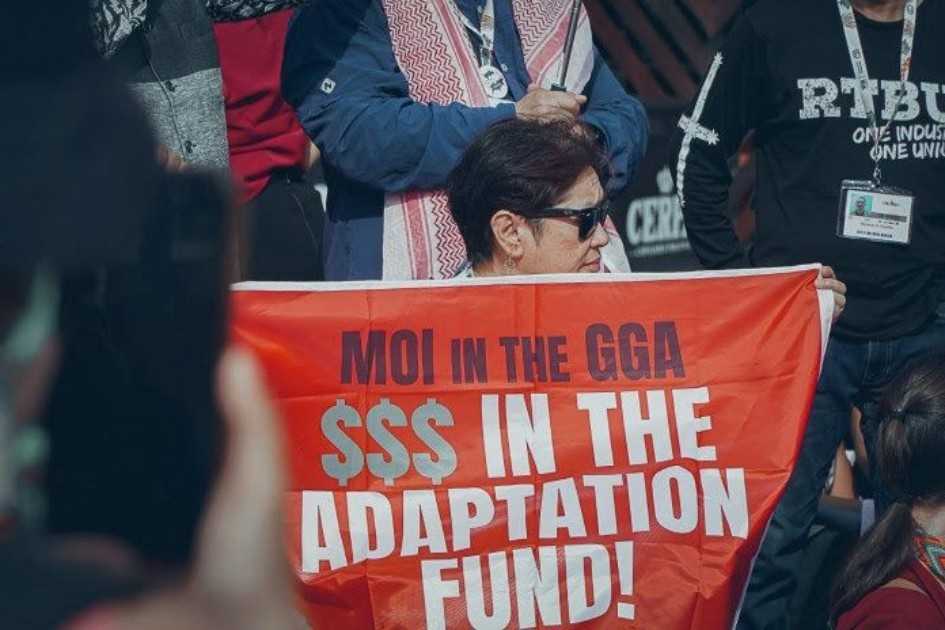



The final hours of COP30 descended into procedural turmoil on Saturday as several Latin American nations openly challenged the adoption of the Global Goal on Adaptation (GGA) indicators, casting a shadow over the summit’s closing plenary.
The COP30 closing plenary opened at 1 PM in a visibly strained atmosphere after a late-night standoff in which Panama and Uruguay accused the Brazilian presidency of ignoring points of order and rushing through the adoption of the GGA indicators. Delegates said they had raised their flags and requested the floor, only to see the gavel fall, triggering immediate objections in the room.
Argentina, Paraguay and Ecuador soon aligned themselves with the protest, saying the episode raised “serious concerns” about transparency and inclusiveness at a critical stage of the negotiations.
Two years of technical work overlooked
The disputed indicators form a core part of the framework designed to help countries assess adaptation progress across sectors such as water resources, agriculture, health systems and early warning mechanisms. The objecting countries argued that the final list fails to reflect nearly two years of technical work undertaken by experts and Parties within the UNFCCC process.
Delegates warned that key metrics had been diluted or removed, undermining the scientific basis required for climate-vulnerable nations to track risks, design national adaptation plans and access finance tied to measurable needs. One regional negotiator described the text as “not fit for purpose.”
Bangladeshi youth delegate Sohanur Rahman, who witnessed the exchange, said the process had shaken trust: “Ignoring clear points of order and overlooking two years of technical work undermines the integrity of the negotiations. For frontline countries like Bangladesh, strong and science-based adaptation indicators are essential to protect communities already facing severe climate impacts.”
Wider complaints about procedure
The dispute comes against a backdrop of rising procedural frustration throughout COP30. The Least Developed Countries (LDCs) Group and the Alliance of Small Island States (AOSIS) have complained of restricted access to closed meetings and last-minute changes to key negotiating texts.
Saturday’s plenary laid bare those tensions once more, with several delegations referencing the previous night’s ignored interventions. Responding from the dais, the COP30 presidency said the decisions had been made to keep the negotiations moving and promised that concerns would be reflected in the official report.
Indicators adopted, with a pathway to fix them
Despite the objections, the GGA indicators were formally adopted. As part of a compromise, Parties agreed to launch a two-year work programme to refine and operationalise the indicators , a signal that debates over methodology and scientific rigour will continue well beyond Belém.
Panama, Uruguay and others are expected to register their reservations formally, leaving room for further challenges at upcoming UNFCCC sessions.
Looking ahead
As COP30 edges toward conclusion, the dispute over the GGA indicators has become one of its defining flashpoints. For climate-vulnerable countries, robust and science-based adaptation metrics remain crucial for securing finance and building long-term resilience.
Whether the new work programme can resolve the concerns raised in Belém will determine if the GGA becomes a trusted tool for global adaptation, or a lingering source of contention in the years to come.




