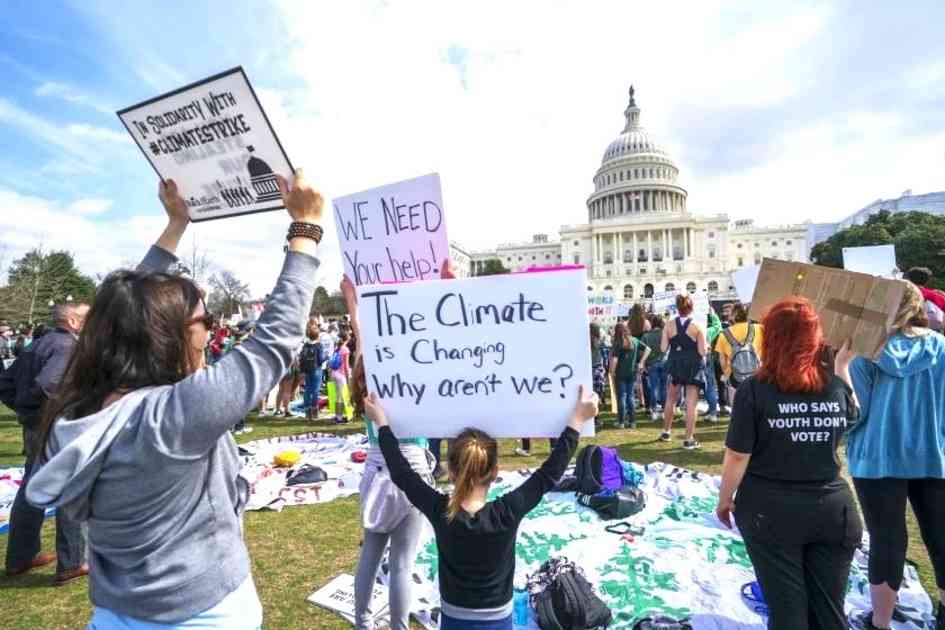



A new study finds US emissions caused $10 trillion in global climate damage since 1990, with poorer nations hit hardest, intensifying calls for climate justice and Loss and Damage support.
The United States, the world’s top historical carbon emitter, has caused an estimated 10 trillion dollars in global economic damage over the past three decades, a new study shows. About a quarter of this loss has occurred within the US itself, while developing countries, including India with 500 billion dollars in damages and Brazil with 330 billion, have suffered disproportionately.
The research, published in Nature, attempts to assign a monetary value to loss and damage, the economic and social harms caused by climate change, including heatwaves, floods, droughts and crop failures. Developing nations have repeatedly called for financial support from high-emission countries to address these damages.
“These are huge numbers,” said Marshall Burke, an environmental scientist at Stanford University. “Our emissions have caused damage not only to ourselves but also substantial harm in other parts of the world. People are being harmed who did not cause the problem and that feels fundamentally unfair.”
Gernot Wagner, a climate economist at Columbia Business School, said past emissions add up fast and the damages from those emissions add up faster still. Paying the full social cost of carbon for future emissions pays for itself many times over, he added.
The study notes that poorer countries bear the brunt of climate damage. Frances Moore, an expert at the University of California, Davis, said economic losses have far greater consequences for the wellbeing of people in low-income countries compared with wealthier nations.
In Bangladesh, experts warn that rising temperatures, erratic rainfall and river stresses linked to global emissions have already affected agriculture, fisheries and livelihoods. Sohanur Rahman, executive coordinator of YouthNet Global, said: “Loss and damage is not just an economic number. It is a human issue. Vulnerable communities in Bangladesh and across the world are facing floods, crop failures and heat stress from emissions they did not cause. Climate justice demands that high-emission countries step up and support them.”
The US has historically resisted legal responsibility for climate damage. During his tenure, Donald Trump withdrew the US from a global loss and damage fund, pulled out of climate treaties and promoted fossil fuel extraction policies. The study highlights the urgent need for high-emission nations to provide financial and technical support to vulnerable countries, reinforcing calls for climate justice.
The research is a stark reminder that climate change is a global problem with unequal consequences and that the world’s wealthiest polluters carry the greatest responsibility for the losses experienced by the poorest.