

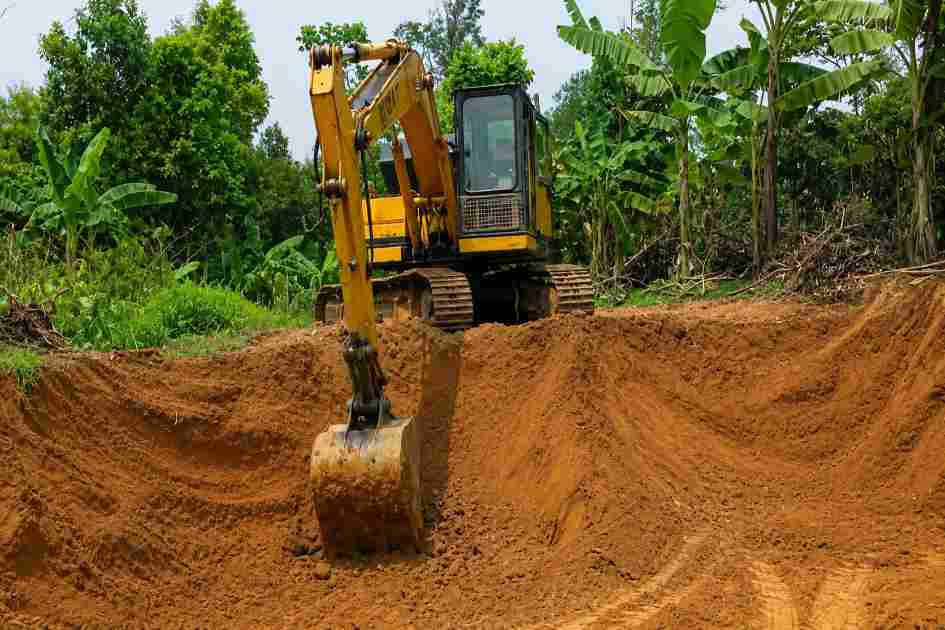



Illegal hill cutting and silica sand extraction in Kamalganj are threatening biodiversity, infrastructure and tourism, prompting warnings from environmentalists and locals over worsening ecological destruction and weak enforcement against influential syndicates.
Indiscriminate hill cutting and illegal extraction of silica sand and alluvial soil are continuing across Kamalganj in Bangladesh’s northeastern Moulvibazar district, raising fears of severe environmental degradation and threats to local infrastructure, biodiversity and tourism potential.
In the Chhayghari area of Islampur union, influential groups are allegedly using excavators in broad daylight to level natural red-soil dunes, while similar activities are underway on hill slopes near Sunchhara Tea Garden in Alinagar union for silica sand extraction.
Locals said trucks, pickups and other vehicles transport the illegally extracted sand and soil every day despite the presence of authorities.
Residents alleged that influential syndicates have long operated unchecked across the upazila with little visible intervention from the administration, accelerating damage to ecologically sensitive areas.
They warned that unless immediate administrative action is taken, the ongoing destruction could trigger devastating environmental consequences.
Enamul Haque Shamim, a social activist from Shamshernagar, said local people recently seized a truck carrying illegally extracted silica sand at night and kept it at the Shamshernagar police outpost.
Despite informing the authorities, the upazila administration did not take action against the vehicle, he alleged.
Meanwhile in the Bishnupur area under Rahimpur union, locals said soil is being extracted from beneath a steel bridge on the Dhalai River, sparking concern that the illegal activity could weaken the bridge’s foundation and nearby embankments and eventually lead to collapse.
Environmentalists and local residents warned that uncontrolled extraction of sand and soil is endangering roads, bridges, culverts agricultural land and natural tourist attractions in the area.
Jamshed Ali, a local college teacher, said unregulated extraction activities are gradually destroying the region’s natural landscape and increasing risks to public infrastructure.
Nurul Muhaimin Milton, a network member of the Bangladesh Environmental Lawyers Association, said the destruction of dunes and hills for red soil and silica sand extraction is both illegal and ecologically disastrous.
He said the fragile ecosystem in Kamalganj plays a crucial role in supporting biodiversity regulating water flow and protecting surrounding farmland.
According to him, hill cutting and illegal sand extraction weaken natural barriers that hold soil together and disrupt drainage systems, increasing the risks of erosion flash floods landslides during the monsoon infrastructure damage and destruction of wildlife habitats.
“The laws are very clear in Bangladesh. Hill cutting and illegal sand extraction are punishable offences. The failure here is not of legislation but of implementation,” Milton said.
He urged authorities to launch enforcement drives seize equipment prosecute those involved and raise public awareness to stop the activities.
Milton also stressed the need for sustainable land management and stricter monitoring of ecologically sensitive regions like Kamalganj, which is known for its unique landscapes and tourism appeal.
Contacted for comment, Kamalganj Upazila Nirbahi Officer Md Asaduzzaman acknowledged reports of dune razing in Islampur union and said legal action would be taken after an investigation.
He also called on local residents to cooperate with authorities in curbing the illegal activities.
Source: The Daily Star




