

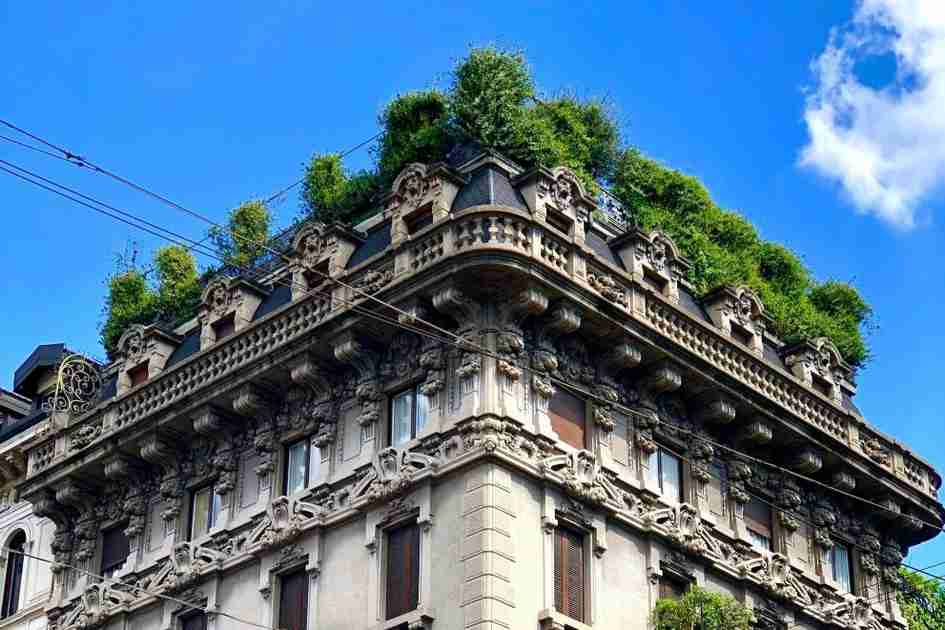

Green roofs are emerging as a powerful tool for helping cities cope with rising temperatures, restoring biodiversity and improving residents’ well-being as urban areas face increasing pressure from climate change and shrinking green spaces.
Covering rooftops with vegetation offers a practical way to bring nature back into densely developed environments where available land is limited. Beyond their visual appeal, green roofs deliver significant environmental, economic and social benefits, according to a report by the European Commission’s Joint Research Centre (JRC).
The report found that green roofs can improve climate resilience, enhance energy efficiency and support urban biodiversity. While extensive green roofs planted with hardy, low-growing vegetation remain the most common type across Europe due to their lower maintenance requirements, more complex rooftop ecosystems can provide greater ecological and social value.
These green spaces create habitats for urban wildlife, including pollinators and insects, and contribute to objectives outlined in the European Union’s Nature Restoration Regulation.
Among their most immediate benefits is the ability to regulate temperatures and manage rainwater. The EU-funded LIFE-myBUILDINGisGREEN project reported notable success after introducing nature-based solutions, including green roofs, at schools in Spain and Portugal.
The project recorded indoor temperature reductions of between 4 and 6 degrees Celsius while electricity consumption for cooling fell by more than 11 percent. Green roofs also substantially reduced stormwater runoff by absorbing rainfall that would otherwise flow into drainage systems, helping ease pressure on urban infrastructure during heavy rain.
Researchers have also found evidence that green roofs can improve human health and well-being.
A study highlighted by Science for Environment Policy examined the physiological and psychological effects of rooftop and vertical greening during periods of heat exposure. Using sensors to monitor heart rates and brainwave activity, researchers found that spending time near rooftop greenery reduced heat-related stress.
Participants exposed to visible greenery experienced lower heart rates while brainwave patterns indicated greater relaxation and improved concentration. The study concluded that simply viewing green spaces can provide psychological relief, enhance mood and create a stronger perception of cooling.
Several European cities are incorporating these findings into urban planning strategies.
Vilnius, the capital of Lithuania and European Green Capital 2025, has integrated a 1,000-square-metre green roof atop its Lazdynai swimming pool as part of broader community-led greening efforts.
The project highlights how local authorities, supported by public participation and dedicated funding, can expand nature-based solutions to improve air quality and strengthen biodiversity in urban areas.
Experts involved in projects such as the one in Vilnius say long-term success depends on careful planning, including the selection of resilient native plant species suited to local climate conditions. Such an approach helps ensure rooftop ecosystems remain healthy without demanding excessive resources.
Although green roofs require time to become fully established, experts say their environmental and social benefits make them a reliable solution for creating cooler, healthier and more sustainable cities.
Source: European Commission




