




New research and an Oxfam report highlight how climate-related disasters are reshaping social conditions in Bangladesh’s coastal communities, intensifying gender inequality and reinforcing the need for gender-responsive adaptation and climate finance.
Gender disparity in labour: Women across Bangladesh shoulder seven times more unpaid care work than men.
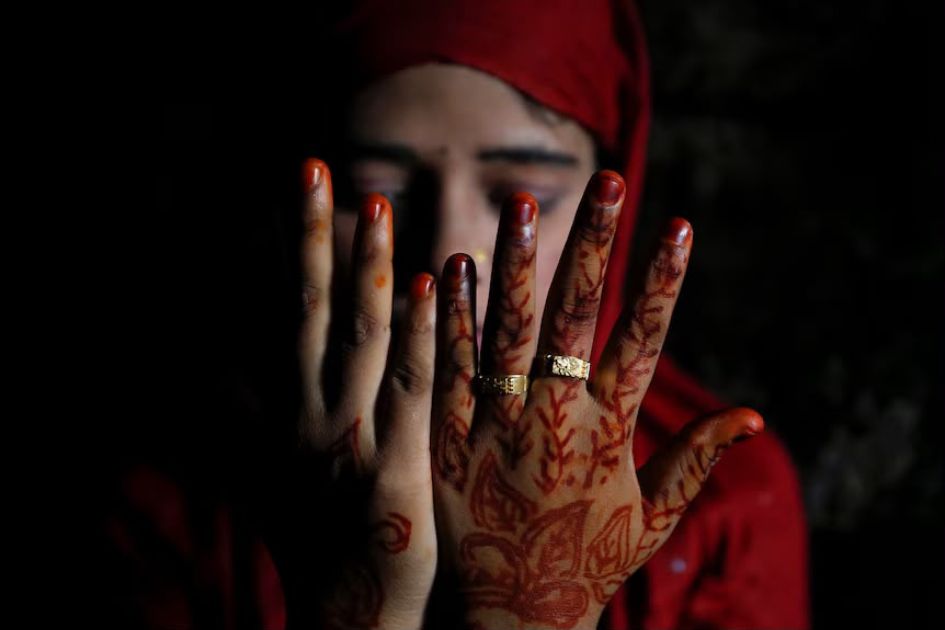
Climate-induced disasters are increasing social vulnerabilities in coastal Bangladesh, with child marriage rising by up to 39 percent in some climate-affected communities, according to a recent study on climate impacts in coastal Bangladesh.
The findings, along with evidence from Oxfam’s report “Unpaid Care, Loss and Damage in Bangladesh,” show that climate-related shocks are increasing pressures on women and girls while expanding women’s unpaid care responsibilities in affected communities.
Researchers found that cyclones, floods, displacement, livelihood losses and economic insecurity are contributing to increased risks of early marriage among girls in disaster-prone areas.
Bangladesh, a low-lying delta country with a population of more than 170 million, remains highly exposed to climate impacts. Coastal districts including Satkhira, Khulna, Barguna, Bhola and Patuakhali are facing growing challenges from sea-level rise, salinity intrusion, tidal flooding, river erosion and repeated extreme weather events.
Climate shocks and child marriage
The study found that child marriage increased by up to 39 percent in some coastal areas following climate-related disasters. Researchers identified several contributing factors, including loss of household income, displacement, disruption of education and increased insecurity after cyclones and floods.
In many affected communities, families facing economic hardship and uncertainty may consider early marriage as a response to financial pressure. However, child rights experts warn that early marriage can limit girls’ access to education, healthcare, employment opportunities and decision-making power.
Climate impacts often extend beyond immediate physical damage. While damaged homes, destroyed crops and lost livelihoods receive attention after disasters, social impacts such as school dropout, protection risks and reduced opportunities for girls are often less documented.
Communities dependent on agriculture, fishing and natural resources are experiencing repeated challenges due to cyclone damage, river erosion, saltwater intrusion and declining livelihood opportunities.
Women carry rising unpaid care burden
Climate impacts are also increasing the unpaid care responsibilities carried by women.
Across Bangladesh, women perform approximately seven times more unpaid care work than men, and climate-related disruptions are further widening this gap, according to climate and gender experts.
Oxfam’s report “Unpaid Care, Loss and Damage in Bangladesh” highlights how climate change is increasing women’s responsibilities in climate-affected communities.
Following disasters, women often spend more time collecting water, caring for sick and elderly family members, supporting children and managing household recovery. These responsibilities increase during climate emergencies but are rarely reflected in economic assessments or climate planning.
The report calls for greater recognition of unpaid care work as part of climate-related Loss and Damage and recommends integrating care systems, women’s economic empowerment and gender-responsive approaches into adaptation planning.
Climate-related displacement, poverty and social disruption can also increase risks of gender-based violence, trafficking and exploitation among women and girls in vulnerable communities.
Women’s role in climate resilience
Despite facing disproportionate impacts, women in climate-vulnerable communities are also playing important roles in local adaptation, disaster preparedness and natural resource management.
Experts say recognising women’s leadership and ensuring their participation in climate decision-making are essential for effective and inclusive climate action.
Climate experts and civil society organisations say adaptation programmes should consider the social impacts of climate change alongside infrastructure development.
They called for climate finance to support infrastructure, education, healthcare, social protection, women’s empowerment and community-led adaptation initiatives.
Experts said climate finance should prioritise locally led adaptation, gender-responsive planning and direct support for communities facing the greatest climate risks.
Experts said climate-related child marriage, loss of education opportunities, increased unpaid care responsibilities and other social impacts should receive greater attention in climate adaptation and Loss and Damage discussions.
As global climate negotiations continue to focus on adaptation and Loss and Damage financing, Bangladesh’s experience highlights how climate impacts are affecting social systems alongside ecosystems and infrastructure.
The findings highlight that climate change is creating impacts beyond physical destruction, affecting education, livelihoods, social protection and gender equality. Experts say addressing these challenges will require stronger integration of gender considerations into climate policies, adaptation planning and Loss and Damage financing.




