

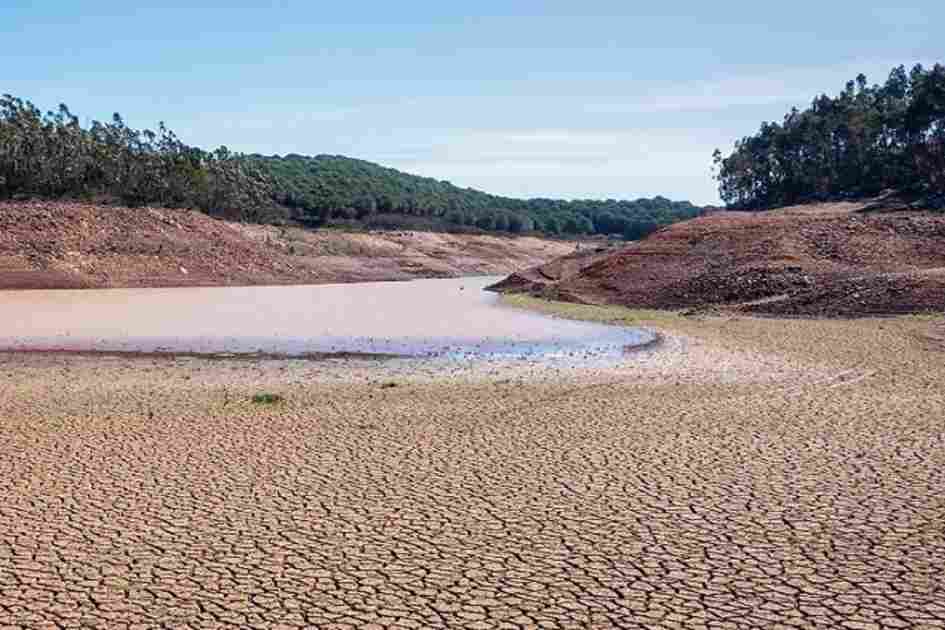



Climate change is disrupting the global water cycle, intensifying floods, droughts and storms, while experts highlight freshwater ecosystems and improved water management as vital solutions for resilience and climate adaptation.
Climate change is increasingly disrupting the global water cycle, intensifying storms, floods and droughts while placing mounting pressure on societies, economies and natural ecosystems.
Environmental experts warn that more than 90 percent of so-called natural disasters worldwide are linked to weather and water, including floods, droughts, wildfires and pollution events. Such disasters often cause loss of life, injuries, destruction of infrastructure, loss of livelihoods and large-scale displacement of communities.
The strong links between climate change and water security were acknowledged by member states during the historic United Nations Water Conference held at UN headquarters in New York in 2023. Governments recognized the growing connections between climate change, environmental protection, water security and resilience.
The United Nations Environment Programme (UNEP) has been working through partnerships such as the Water and Climate Coalition to address climate and water challenges together rather than as separate issues.
Experts say coordinated global action will be essential as climate change continues to alter rainfall patterns, increase extreme weather events and intensify water scarcity in many regions.
Healthy freshwater ecosystems play a crucial role in regulating the planet’s climate and protecting communities from extreme weather. These ecosystems include wetlands, rivers, lakes and groundwater aquifers.
Wetlands, including peatlands and vegetated marshes, can absorb and store water during heavy rainfall, helping reduce flood risks. They also filter pollutants, support biodiversity and store significant amounts of carbon and other greenhouse gases.
Because of these functions, scientists increasingly see freshwater ecosystems as an important nature-based solution to the climate crisis.
Managing water resources effectively is also central to climate adaptation efforts. Integrated Water Resources Management (IWRM), which promotes coordinated management of water, land and ecosystems, is widely considered an essential approach for preparing for climate shocks and strengthening resilience.
Experts say sharing best practices and integrating climate adaptation into water management policies can help countries better respond to climate-related disasters.
However environmental degradation and prolonged drought can also intensify tensions over water availability and access. UNEP notes that understanding the connections between environmental degradation, climate change, peace and security is becoming increasingly important.
To reduce disaster risks such as flooding and mitigate the impacts of drought, UNEP promotes a range of nature-based solutions for water management.
These include restoring natural river flows through re-meandering, reforesting degraded landscapes, constructing terraces in mountainous areas to reduce soil erosion and building sand dams to store water in dry regions.
Such approaches can improve water retention, restore damaged ecosystems and strengthen resilience for vulnerable communities.
Expanding early warning systems is another critical strategy. These systems can alert communities to floods, droughts or water contamination before disasters strike.
The UN Secretary-General has called for Early Warning Systems for All to be implemented globally by 2027.
Through the UNEP-DHI partnership, the organization provides digital tools such as the Flood and Drought Portal, enabling countries to analyze climate data and anticipate water-related disasters. UNEP is also developing systems that can detect pollution early and assess whether water and fish are safe for human consumption.
Helping farming communities adapt to climate change is another major focus of UNEP’s climate and water initiatives.
As host of the Global Peatlands Initiative, UNEP promotes the conservation of peatlands which act as vast carbon stores and biodiversity hotspots when kept intact.
The organization also works with partners such as the World Food Programme to strengthen food security in arid and drought-prone regions.
Lakes also play an important role in climate regulation because they store heat and water. To support sustainable lake management, UNEP has launched a Lakes Portal following a resolution adopted at the United Nations Environment Assembly.
UNEP also serves as the global custodian of Sustainable Development Goal indicator 6.5.1 which measures progress in integrated water resources management worldwide.
Experts say protecting water resources and restoring freshwater ecosystems will be essential for both climate mitigation and adaptation.
As climate pressures grow safeguarding rivers, wetlands and lakes could prove crucial not only for ecosystems but also for global resilience and sustainable development.




