

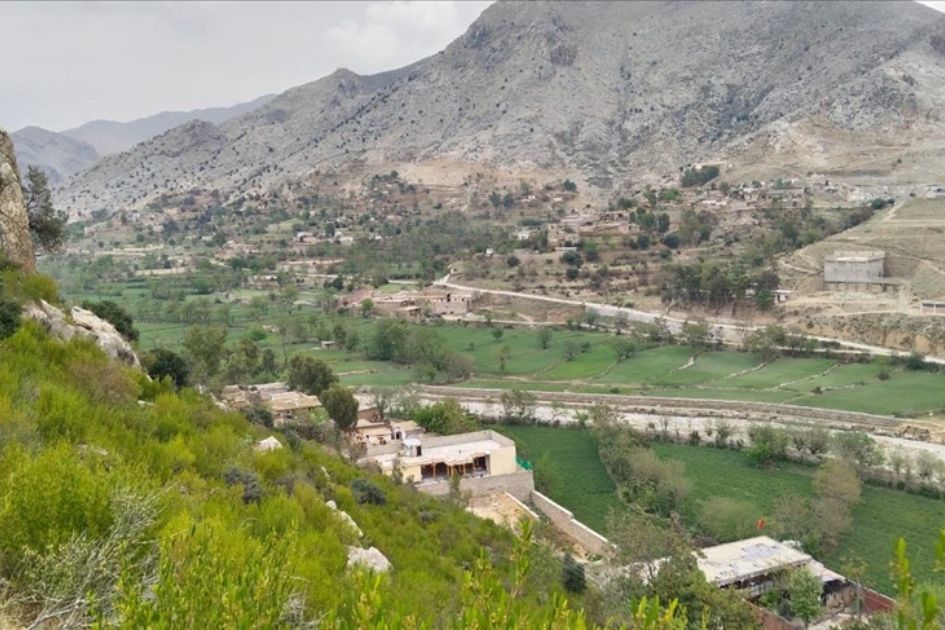



Rising temperatures, deforestation and pollution are threatening biodiversity in Pakistan’s Bajaur district, with experts warning that urgent conservation measures and stronger community action are needed to protect ecosystems.
As summer settles over Pakistan’s northwestern tribal district of Bajaur, residents say the seasons no longer feel the way they once did.
The heat now lasts longer, winters appear shorter and the forests, streams and wildlife that have long defined the region are steadily disappearing.
Bordering Afghanistan, Bajaur is known for its rugged mountains, fertile valleys and rich natural heritage. But environmental experts warn that a combination of climate change and human-driven environmental degradation is pushing the district’s biodiversity toward a critical tipping point.
“Biodiversity is not just about animals and plants,” said Waqas Ahmed, a young zoologist and biodiversity expert from Bajaur. “It is the foundation of life itself. Every living organism, no matter how small, plays a role in maintaining balance in nature.”
Biodiversity encompasses the full variety of life on Earth, including plants, animals, insects, fungi and microorganisms. Scientists describe it as a complex web that connects all living things, meaning the loss of one species can trigger wider consequences throughout an ecosystem.
Ahmed said smaller organisms are often overlooked despite their crucial ecological role.
Fungi and microorganisms help sustain healthy ecosystems and contribute to the development of medicines, he noted. Their decline can therefore affect both environmental stability and human well-being.
“The extinction of even a tiny species can trigger problems for many others,” Ahmed said. “Nature functions as an interconnected system.”
Forests Under Growing Pressure
Deforestation remains one of the most serious threats to biodiversity in Bajaur.
For generations, forests spread across the district’s mountains provided shelter for wildlife, protected soil from erosion and helped regulate local temperatures. Environmental experts say those forests are increasingly disappearing because of unchecked tree cutting.
The loss of forest cover is reducing wildlife habitat and accelerating biodiversity decline. Species once commonly found in the region are becoming harder to locate, raising fears among conservationists that some may eventually vanish from the area altogether if stronger safeguards are not introduced.
Population Growth Intensifies Strain
Rapid population growth is placing additional pressure on the environment.
As communities expand, demand for land, housing, fuel and natural resources continues to rise. Forests are often cleared to meet those needs while illegal hunting and unsustainable exploitation of resources further threaten wildlife populations.
At the same time, climate change is altering long-established weather patterns.
Bajaur, once known for its relatively cool climate, is experiencing rising temperatures and increasingly frequent heat waves. Experts say hot weather now persists for longer periods while seasonal cycles have become less predictable.
Such changes are particularly harmful to insects and other small organisms that are highly sensitive to temperature shifts.
“When these species disappear, entire ecosystems are affected,” Ahmed said. “Many of them are essential links in the food chain.”
Pollution Adds to Environmental Risks
Pollution has emerged as another major threat to biodiversity and public health.
Environmental specialists point to air pollution, contaminated water sources and industrial waste as growing concerns across the district. In Bajaur, emissions from marble-processing industries are considered among the most serious environmental challenges.
Dust and industrial waste generated by these facilities affect air quality and surrounding ecosystems, while increasing vehicle emissions have further contributed to deteriorating environmental conditions.
Experts note that environmental degradation is no longer confined to major urban centres. Areas once regarded as relatively untouched are now facing similar pressures.
Pollution in rivers and other water bodies is also endangering aquatic life. Across Pakistan, species including the Indus River dolphin face mounting pressure from worsening environmental conditions, illustrating the broader ecological consequences of pollution.
Local Solutions Seen as Essential
Despite the challenges, environmental experts believe the damage can still be reversed.
Ahmed said conservation efforts must begin at the local level and highlighted several urgent priorities, including controlling population growth, preventing unplanned urban expansion, protecting agricultural land and increasing forest cover.
He also called for tougher penalties against illegal logging and greater use of traditional community-based conservation mechanisms such as the tribal “Nagha” system, which historically played a role in safeguarding forests and natural resources.
Reducing vehicle emissions, encouraging cleaner transportation and enforcing environmental regulations on industries could also significantly improve environmental conditions, he said.
“The solutions are not beyond our reach,” Ahmed said. “What we need is awareness, commitment and collective action.”
Global Challenge, Local Responsibility
The environmental pressures facing Bajaur mirror challenges unfolding across many parts of the world.
This year’s International Day for Biological Diversity, observed annually on May 22, was marked under the theme “Act Locally for Global Impact”.
For Bajaur, the message carries particular significance.
While climate change and biodiversity loss are global problems, experts say solutions often begin within local communities through protecting forests, reducing pollution and preserving natural resources.
Whether Bajaur can safeguard its rich natural heritage, they say, may ultimately depend on how quickly those local actions are taken before biodiversity loss becomes another lasting consequence of climate change.
This post is republished from THEPENPK.




