




Industrial chemicals, toxic waste, and weak enforcement are worsening Bangladesh’s pollution crisis, threatening ecosystems, public health, food security, and climate resilience while exposing vulnerable communities to escalating environmental injustice.
Bangladesh is facing a deepening chemical pollution crisis that experts warn is rapidly becoming one of the country’s most serious threats to public health, environmental safety and climate resilience.
Environmental scientist and social justice advocate Dr. Shahriar Hossain said the country’s fast-paced industrial growth, urban expansion and export-driven manufacturing boom are fueling widespread contamination of rivers, soil, air, food chains and even the human body.
He warned that toxic pollution is no longer confined to industrial zones and has evolved into a national emergency closely linked to ecological degradation, climate injustice and growing socioeconomic vulnerability.
Chemicals released from textile dyeing factories, tanneries, shipbreaking yards, pesticide use, plastics production, e-waste processing, battery recycling operations and untreated industrial waste are entering ecosystems across Bangladesh with devastating consequences, according to the report.
The contamination is contributing to rising disease burdens, polluted waterways, biodiversity loss, degraded agricultural land and increased risks for communities already struggling with the impacts of climate change.
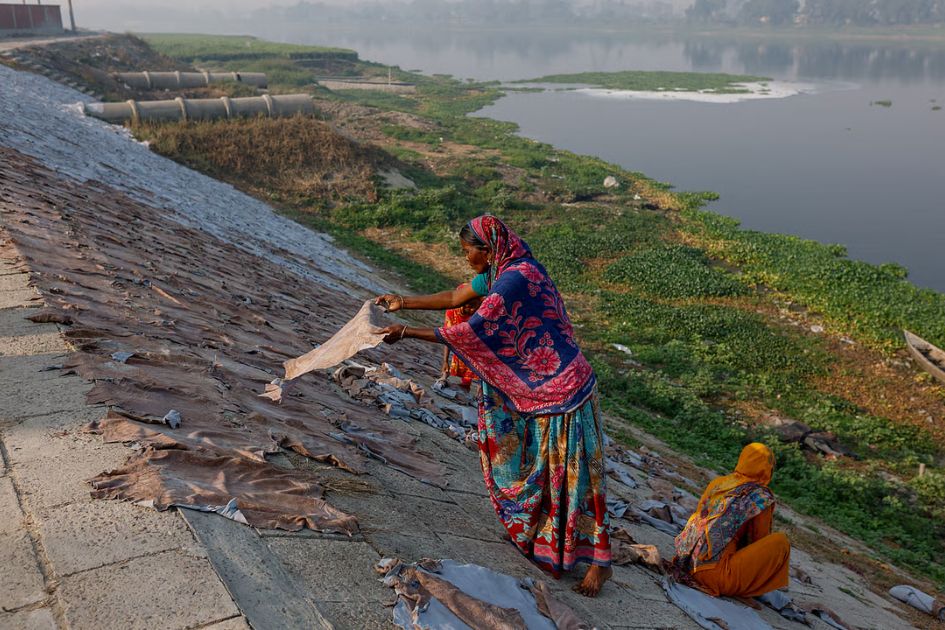
Bangladesh’s rivers, once central to the country’s ecology and livelihoods, are among the worst affected. Industrial areas surrounding Dhaka, Gazipur, Narayanganj, Savar, Ashulia and Chattogram are releasing untreated or poorly treated waste containing lead, cadmium, mercury, arsenic, chromium, PFAS and persistent organic pollutants into nearby canals and rivers.
Researchers have found dangerous levels of contamination in water, soil, fish, vegetables and river sediments.
Particular concern has emerged over PFAS, often referred to as “forever chemicals” because they can persist in the environment for centuries. Scientists have linked PFAS exposure to cancers, endocrine disruption, immune suppression, reproductive disorders and developmental damage.
A joint study by the Environment and Social Development Organization (ESDO) and the International Pollutants Elimination Network (IPEN) found PFAS contamination in both surface and tap water near textile industrial zones around Dhaka. Several samples exceeded international safety limits and included globally banned substances.
Bangladesh’s textile and garment sector, the backbone of the country’s export economy, has also become one of its largest sources of chemical contamination. Many factories continue using hazardous dyes, fluorinated compounds, nonylphenols, chlorinated paraffins and heavy metals without sufficient wastewater treatment or chemical transparency, the report said.
A recent community-based monitoring study in textile-producing areas documented hazardous industrial chemicals in water, soil, wastewater and even human hair samples.
Lead pollution is another major concern, particularly for children who face severe health risks from exposure through contaminated food, air, soil, paints, cookware, batteries and informal recycling sites.
Health experts warn that lead exposure can permanently damage neurological development, reduce IQ, impair learning abilities and increase cardiovascular disease risks. International assessments show millions of children across South Asia, including Bangladesh, are exposed to unsafe levels of lead contamination.
The report also warned that chemical pollution is worsening Bangladesh’s climate vulnerability by weakening ecosystems that help buffer climate shocks.
Polluted wetlands are losing their ecological functions while contaminated rivers are becoming biologically dead. Soil degradation is reducing agriculture’s resilience to droughts and floods. Coastal ecosystems already stressed by industrial pollution are becoming less capable of adapting to sea-level rise and salinity intrusion.
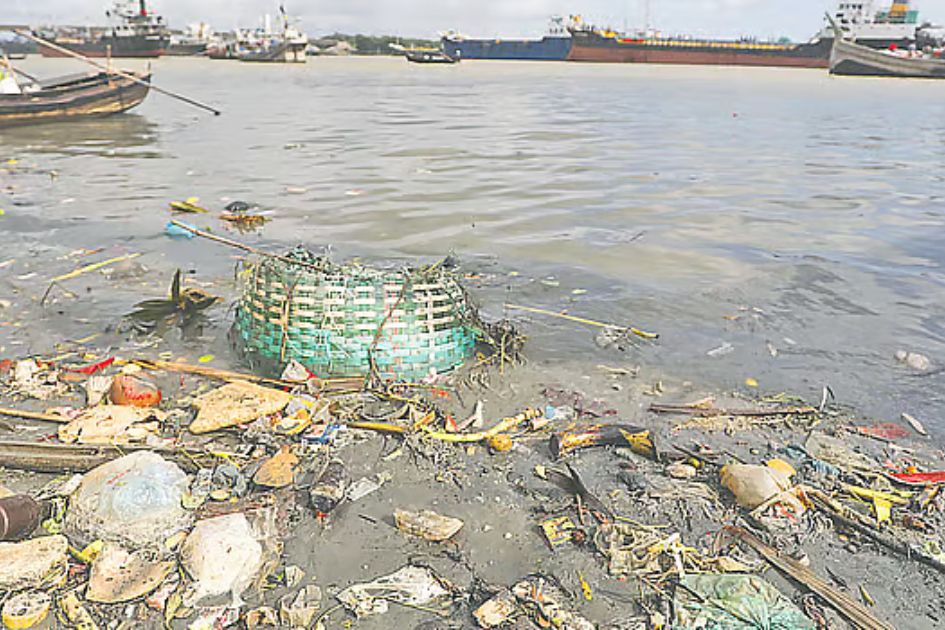
Climate-related disasters are further intensifying toxic exposure. Floods, cyclones, tidal surges and river erosion are spreading hazardous industrial waste, untreated effluents, pesticides, petroleum residues, plastics and contaminated sediments across large areas.
Low-income communities and informal settlements near industrial zones face disproportionate risks while lacking access to healthcare, clean water and environmental justice.
In flood-prone industrial regions around Dhaka, Narayanganj, Gazipur, Chattogram, Khulna and coastal districts, polluted floodwaters frequently overflow from canals and rivers carrying toxic substances from textile factories, tanneries, shipbreaking yards, chemical warehouses and informal recycling facilities into nearby communities.
Scientific studies conducted after major flooding events documented increased contamination of surface water with lead, chromium, cadmium, arsenic, ammonia and other harmful pollutants, posing severe risks to food safety and public health.
Experts also warned that climate-driven salinity intrusion and rising temperatures are altering chemical mobility and toxicity in ecosystems, increasing the accumulation of pollutants in fish and agricultural products consumed by millions.
Women, children, waste pickers, tannery workers and climate-displaced populations are among the most vulnerable groups due to repeated exposure through contaminated air, water, food and unsafe working conditions.
Despite the scale of the crisis, Bangladesh’s environmental governance system remains ill-equipped to respond effectively, according to the report.
Although the country has laws such as the Bangladesh Environment Conservation Act and Environment Conservation Rules, enforcement remains weak because of institutional limitations, political influence, corruption, poor inter-agency coordination and inadequate laboratory capacity.
Thousands of industries continue operating with limited oversight. Many effluent treatment plants either function irregularly, remain shut to reduce costs or are bypassed entirely during nighttime discharges.
Investigations around major river systems including the Buriganga, Turag, Shitalakkhya, Karnaphuli and Dhaleshwari have repeatedly found alarming levels of untreated industrial waste entering waterways despite legal requirements for treatment.
Hazardous chemicals used in textile production, leather processing, plastics manufacturing, agriculture and e-waste recycling remain poorly monitored while Bangladesh still lacks comprehensive national inventories for PFAS, persistent organic pollutants, endocrine-disrupting chemicals and heavy metals.
Environmental monitoring systems remain fragmented and under-resourced with limited real-time pollution tracking and weak public disclosure of industrial emissions data.
As a result, many affected communities remain unaware of toxic contamination until serious health impacts emerge. Weak accountability and limited access to environmental justice have allowed chronic pollution to continue largely unchecked, the report said.
Dr. Hossain called for urgent institutional reforms, stronger law enforcement, transparent monitoring systems, independent scientific oversight and major investments in environmental laboratories and chemical management infrastructure.
He urged Bangladesh to move beyond fragmented responses and adopt a comprehensive national strategy on chemical safety and pollution prevention.
Among the key recommendations outlined in the report are the creation of a national chemical pollution inventory and monitoring system covering industrial chemicals, PFAS, pesticides, heavy metals and hazardous waste.
The report also called for mandatory real-time public disclosure of industrial emissions and effluent data, stricter enforcement against illegal discharges and digital monitoring systems to ensure effluent treatment plants operate continuously.
It further recommended adopting a legally binding national framework on hazardous chemicals aligned with the Stockholm Convention and global chemicals governance mechanisms. PFAS and other persistent organic pollutants should face urgent restrictions and phase-out plans, it said.
The report urged industries including textiles, leather, plastics, electronics and agriculture to transition toward safer chemistry, cleaner production technologies, green manufacturing and circular economy approaches.
International brands sourcing from Bangladesh were also urged to ensure toxic-free supply chains instead of shifting pollution burdens onto vulnerable countries.
The report recommended nationwide biomonitoring programs to track toxic exposure among children, pregnant women, industrial workers and frontline communities while integrating chemical exposure assessments into public healthcare systems.
Climate adaptation planning should also include toxic pollution risk management, particularly in flood-prone industrial areas, hazardous waste sites and chemical storage facilities vulnerable to future disasters.
Dr. Hossain stressed the importance of public awareness and community participation, saying citizens have the right to know what chemicals are entering their air, food, water and bodies.
He called for stronger community-based environmental monitoring, citizen science initiatives, youth engagement and environmental education programs.
Bangladesh previously gained international recognition for taking bold action against plastic bags, the report noted, adding that the country now has another opportunity to demonstrate environmental leadership by tackling chemical pollution before the crisis becomes irreversible.
“The cost of inaction will be measured not only in degraded ecosystems and polluted rivers, but in damaged childhoods, lost public health, weakened climate resilience and diminished futures,” the report warned.
Dr. Shahriar Hossain is an environmental scientist, journalist and social justice advocate involved in the UNFCCC, BRS Conventions, Global Framework on Chemicals and Plastic Treaty negotiations.
This post is republished from Daily Prothom Alo.




