

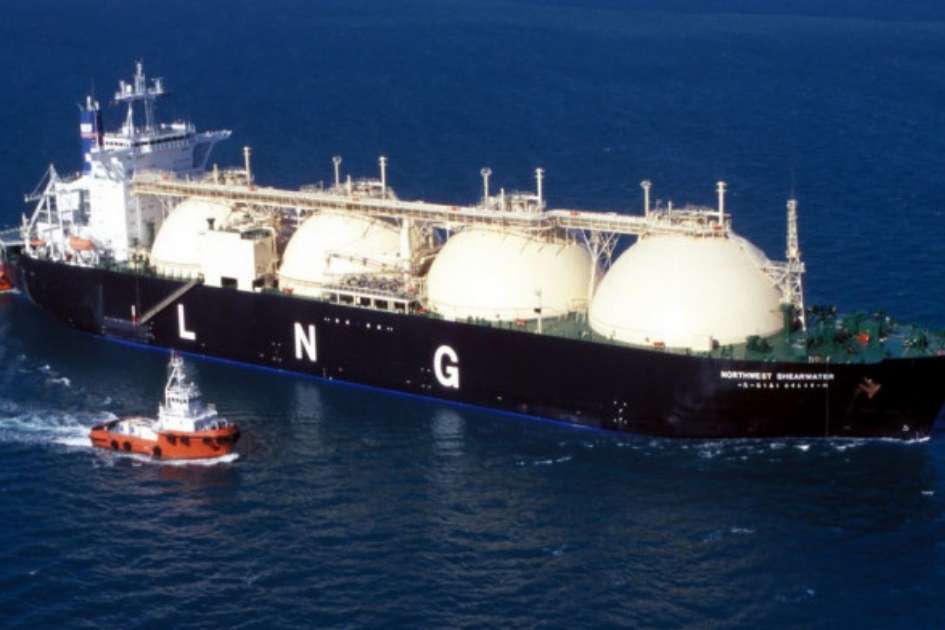



Qatar’s LNG disruption exposes Bangladesh’s energy vulnerability, as cancelled renewable projects delay cleaner power and deepen dependence on imported fuels during peak electricity demand.
Bangladesh may face intensified power shortages after Qatar suspended liquefied natural gas (LNG) production following attacks on key facilities by Iran, exposing the country’s heavy reliance on imported fuel and highlighting the missed opportunity created by cancelled renewable energy projects.
The suspension is expected to affect Bangladesh significantly, as the country relies on long-term LNG imports from Qatar to run a large share of its gas-fired power plants. Energy experts warn that the disruption could lead to increased load shedding during the ongoing peak demand period.
Natural gas accounts for more than half of Bangladesh’s electricity generation, making LNG imports critical for maintaining power supply.
Bangladesh spends roughly $5 billion annually importing fuel oil, coal, LNG and liquefied petroleum gas (LPG) because domestic gas and coal reserves are limited. This dependence has made the country vulnerable to global energy price fluctuations and geopolitical tensions.
Energy analysts say the current situation might have been partially mitigated if a number of renewable energy projects cancelled in 2024 had moved forward.
Bangladesh’s interim administration led by Nobel laureate Muhammad Yunus cancelled 31 renewable energy projects in September 2024, citing concerns over procurement processes. The projects had been approved earlier under the Quick Energy Supply (Special Provision) Act 2010 introduced during the tenure of the Awami League government.
The cancelled projects had a combined planned capacity of around 3,300 megawatts, mostly solar power, along with approximately 300MW of wind energy and a 25MW waste-to-energy facility.
Energy analysts estimate that by now nearly one-third of these projects could have been generating electricity, helping to cushion the impact of potential LNG shortages.
Power tariffs under the projects ranged between 9.7 and 10.6 US cents per kilowatt hour. The decision to cancel them drew criticism from investors and anti-corruption watchdog Transparency International Bangladesh.
Several companies had already begun acquiring land after receiving Letters of Intent, a process widely considered one of the most challenging aspects of developing renewable energy projects in Bangladesh.
The issue later reached the High Court, which ruled that the agreements had been signed in good faith and could be reviewed rather than cancelled outright.
Following the cancellation, the government floated new tenders for more than 5,000MW of renewable energy capacity. While some bids came in at lower tariffs between 7 and 8 cents per kilowatt hour, investor participation remained limited and agreements have so far been secured for only about 900MW.
Energy sector observers say even if these projects proceed smoothly, most of them are unlikely to become operational before 2028.
Analysts note that renegotiating the earlier contracts could have been a more practical solution. Global solar module prices had fallen by around 20 percent between 2023 and 2024, providing room to reduce tariffs by about 1 to 1.5 cents per kilowatt hour. Solar modules typically account for about 35 percent of total project costs.
Some investors reportedly proposed revised tariffs after the government introduced incentives such as a one percent import duty on solar panels and a 10-year tax holiday for renewable energy projects, but those proposals were not pursued.
Bangladesh has set a target of generating 15 percent of its electricity from renewable sources by 2030 and 40 percent by 2040. However, renewable energy currently accounts for only about 3 percent of the country’s total power generation.
Energy economists say the cancelled projects could have replaced approximately $820 million worth of fossil fuel imports while creating an estimated 10,000 direct jobs.
Analysts say expanding renewable energy capacity will be crucial for Bangladesh’s long-term energy security, particularly as global fuel markets become increasingly volatile amid geopolitical conflicts and supply disruptions.
“Sustainable energy is not only an environmental necessity but also a matter of national energy security,” said Sohanur Rahman, Executive Coordinator of YouthNet Global.
“If Bangladesh had accelerated these renewable projects, the country would be far less vulnerable to global fuel disruptions like the current LNG supply uncertainty. Investing in renewable energy today is essential to protect our economy, our energy independence and the future of our young generation,” he added.




