




A coalition of governments calls for a global fossil fuel phase-out plan, warning expansion threatens climate goals, while urging finance reform and stronger international cooperation to enable a just energy transition.
A coalition of 19 national and subnational governments has called for a coordinated global roadmap to phase out fossil fuels, warning that continued expansion of coal, oil and gas is incompatible with limiting global warming to 1.5°C and poses growing risks to economic stability and energy security.
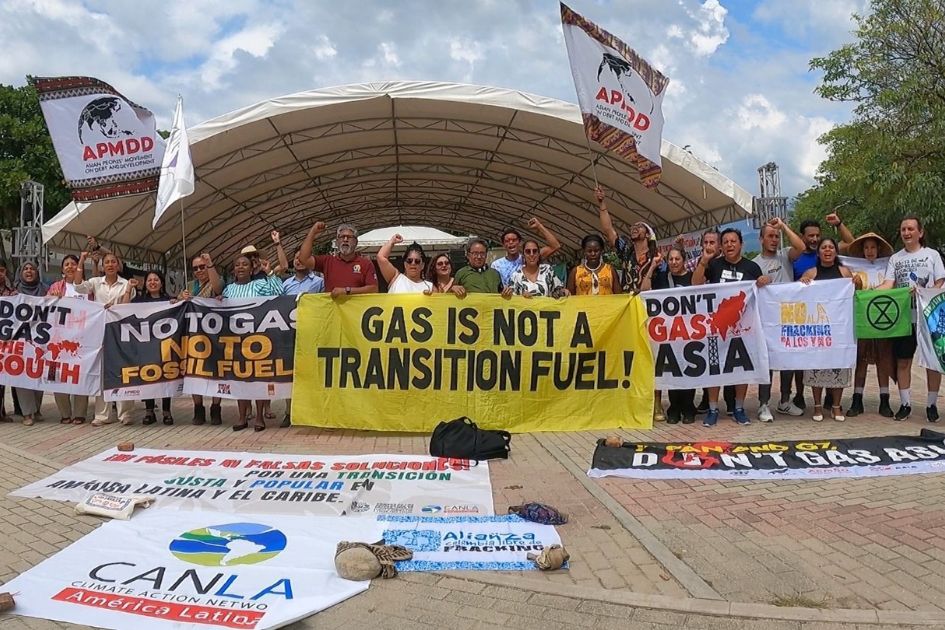
The call is outlined in a new synthesis report based on written submissions and a March 2026 retreat in Chantilly, France. It comes as governments gather at the First International Conference on the Transition Away from Fossil Fuels in Santa Marta, Colombia (April 24–29), an initiative aimed at accelerating cooperation outside traditional UN climate negotiations.
The report reframes fossil fuel transition as not only a climate imperative but also a structural economic transformation, arguing that continued dependence on fossil fuels is increasingly linked to fiscal vulnerability, trade exposure and industrial competitiveness risks.
Fossil fuels framed as economic and security risk
According to the synthesis, governments stressed that fossil fuel dependence remains deeply embedded in national economies through exports, tax revenues, employment and energy systems. This structural reliance makes the transition more complex than a simple shift in energy sources.
Many countries highlighted exposure to volatile global fuel prices, import dependency and risks of stranded assets linked to continued fossil fuel investment. Others pointed to domestic constraints, including carbon-intensive industrial systems, transport networks and electricity generation infrastructure.
The report identifies three priority pillars for action: reducing economic dependence on fossil fuels, transforming energy supply and demand systems and strengthening international cooperation.
Governments broadly supported measures such as economic diversification, targeted transition planning for workers and regions dependent on fossil fuels, carbon pricing reforms, public transition funds and energy efficiency policies. However, divisions remain over the pace of transition, subsidy phase-out timelines and the extent of international compensation for higher transition costs.

Call to halt new fossil fuel expansion
One of the strongest recommendations in the synthesis is the establishment of an international mechanism to halt new fossil fuel exploration and expansion, alongside binding commitments to phase down existing production in line with 1.5°C pathways.
The report warns that continued licensing of new oil, gas and coal projects risks locking countries into long-term emissions, stranded assets and fiscal losses.
It highlights renewable energy, electrification, energy efficiency, grid expansion, battery storage and public transport as central tools for reducing fossil fuel demand. However, it notes significant barriers, including the high cost of capital in developing economies, weak grid infrastructure, insufficient storage capacity and ongoing fossil fuel subsidies that distort investment decisions.
Finance reform and just transition demands
A central theme of the report is frustration with the global financial system’s ability to support rapid transition in developing countries.
Governments cited limited access to concessional finance, high debt burdens, elevated transaction costs and misaligned risk perceptions from investors and multilateral development banks as major constraints.
To address this, the synthesis proposes the creation of a Global Just Transition Finance Facility to provide grants, concessional finance and debt relief, alongside debt-swap mechanisms linked to clean energy investment.
It also calls for broader reform of the international financial architecture to unlock lower-cost capital for renewable energy, grid expansion and industrial transformation.
New implementation coalitions outside UN process
The report argues that existing UN climate negotiations are too slow to deliver the scale and speed of transition required to meet the 1.5°C goal, citing structural limitations of consensus-based decision-making.
Instead, it endorses more flexible coalitions, country platforms and implementation partnerships that can accelerate action while remaining aligned with the Paris Agreement framework.
Future COP summits and Global Stocktake processes, it adds, should be used to consolidate progress and scale effective transition models.
Social acceptance identified as key challenge
The synthesis also highlights growing concern over political and social resistance to transition policies, including fossil fuel subsidy reforms, infrastructure development and industrial restructuring.
Governments stressed the need to frame transition policies around benefits such as lower energy costs, improved air quality, energy independence, job creation and new industrial opportunities, alongside climate mitigation.
Misinformation and public opposition were identified as potential risks to implementation.
France unveils fossil fuel phase-out roadmap
Separately, France presented one of the most detailed national fossil fuel phase-out strategies during the Santa Marta conference, positioning itself within a broader “coalition of the willing” of nearly 60 countries coordinating outside formal UN negotiations.
The roadmap outlines coal phase-out by 2027, oil by 2045 and fossil gas by 2050, alongside targets to increase decarbonised energy to 70% by 2035 and achieve 100% electric vehicle sales by 2035.
France also plans expanded electrification of households and transport systems, alongside significant investment in nuclear energy.
While French officials described the plan as a step toward energy sovereignty and climate leadership, critics argue that the timelines for oil and gas phase-out fall short of what is required to meet 1.5°C targets.
Implications for developing countries
For climate-vulnerable nations, including Bangladesh and other Global South states, the emerging transition agenda carries both opportunity and uncertainty, particularly around financing, technology transfer and equitable burden-sharing.
Sohanur Rahman, Executive Coordinator of YouthNet Global, said the transition must be grounded in equity and community leadership:
“A just transition cannot be designed from the top down or driven only by corporate or geopolitical interests. It must be led by communities on the frontlines of climate impacts, ensuring that those most affected are also those shaping the solutions.”
Experts warn that without stronger commitments from major emitters and reform of global finance systems, developing countries may struggle to pursue clean energy transitions while managing debt pressures and development needs.
A test of global climate leadership
The Santa Marta conference and the emerging coalition of governments mark a shift toward more explicit political discussion of fossil fuel phase-out pathways outside traditional UN climate forums.
However, the synthesis report underscores persistent tensions between ambition and implementation, particularly around finance, equity and political feasibility.
The central challenge, governments conclude, is no longer whether the fossil fuel transition is necessary but whether the international system can deliver it at the speed and scale required to meet the climate crisis.




