

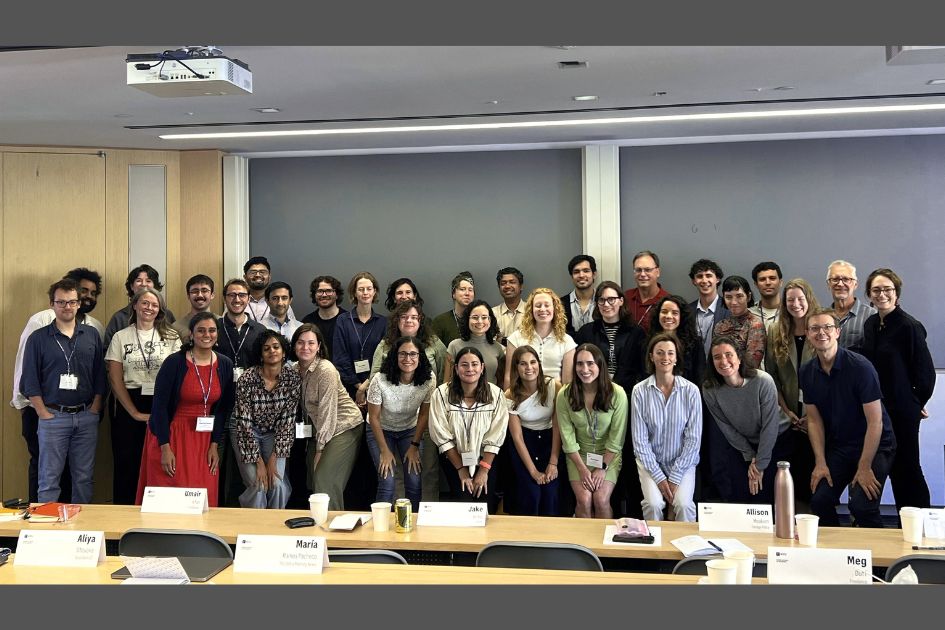



Bangladeshi journalist Mosabber Hossain explored climate finance, insurance, carbon markets and biodiversity risks during a two-day journalism fellowship at NYU Stern.
Climate change is often told through images of floods, wildfires, extreme heat and communities struggling to survive. But behind each of those stories is another story about money, insurance, investment, business and who ultimately pays for the damage.
That was one of the key lessons Bangladeshi journalist and Inside Climate News fellow Mosabber Hossain took away from the 2026 NYU Stern Climate Economics Journalism Fellowship, held at New York University’s Stern School of Business in Manhattan, New York. Last week it was a two days in person fellowship at NYU.
The fellowship brought together journalists from around the world to examine climate change through an economic and financial lens. Over two days, 36 journalists around the world explored how climate-related disasters are creating financial losses, how insurance markets are responding to growing risks, where climate finance is flowing, and how businesses and investors are adapting to a changing climate.

For Hossain, the experience offered a new way of looking at stories he has covered throughout his journalism career. A flood is not only an environmental disaster. A wildfire is not only a threat to forests and homes. Extreme heat is not only a public-health concern. Each can also become a financial crisis for families, businesses, insurers and governments.
The discussions examined who bears those losses and how the costs of climate change move through economies. Rising risks can affect the value of property, the affordability and availability of insurance, investment decisions and the financial stability of businesses and communities.
Climate finance was at the center of the fellowship. Journalists examined how money is being mobilized for climate action, where investments are going and how financial decisions can accelerate or slow the transition to a changing climate.
The economic consequences of biodiversity loss were another important part of the discussion. Forests, rivers, wetlands, soil and other natural systems support businesses and economies, yet their value is often overlooked in conventional financial calculations. As nature declines, the risks can increasingly become financial risks as well.
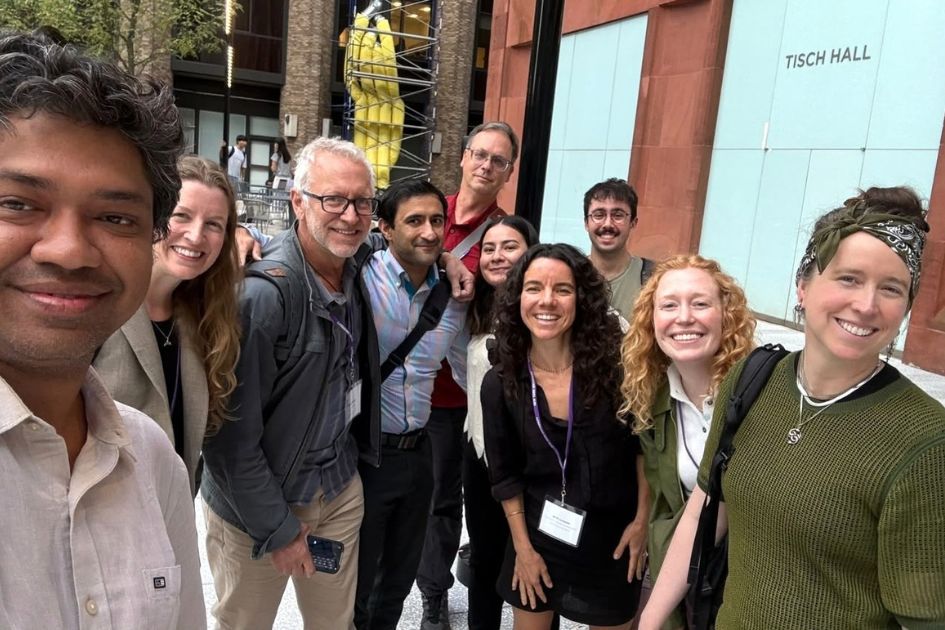
The fellowship also explored carbon markets and carbon pricing, as well as the rapidly changing renewable-energy sector. The transition away from fossil fuels is reshaping investment and creating new opportunities while also presenting challenges for businesses, workers and communities.
For journalists, however, following the money can introduce another layer of complexity. Climate stories often involve governments, corporations, investors, insurers and communities with very different interests. The fellowship therefore also addressed journalism ethics, emphasizing the importance of accuracy, independence and giving proper attention to the people experiencing the consequences of climate change.
The program was led by Johannes Stroebel, David S. Loeb Professor of Finance at NYU Stern and Director of the NYU Stern Climate Finance Initiative. The instructors included Theresa Kuchler, Professor of Finance at NYU Stern; Dan Fagin, Professor of Journalism at New York University and Director of the Science, Health & Environmental Reporting Program; Viral Acharya, C.V. Starr Professor of Economics at NYU Stern and former Deputy Governor of the Reserve Bank of India; Shan Ge, Assistant Professor of Finance at NYU Stern; Bryce Rudyk, Adjunct Professor of Law at NYU School of Law and Director of the International Environmental Law Program; Dan Gode, Clinical Professor of Accounting at NYU Stern; and Derek Sylvan, Adjunct Professor of Environmental Studies at New York University and Strategy Director at the Institute for Policy Integrity.
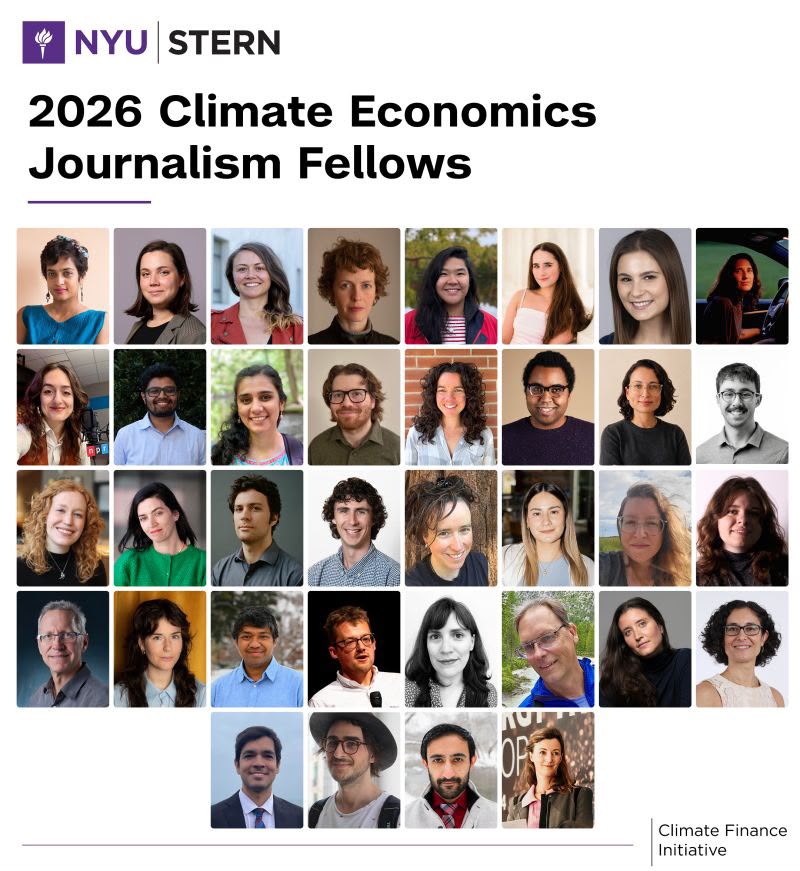
Hossain said one of the most valuable parts of the fellowship was the opportunity to learn directly from experts while connecting with journalists working on climate and economic issues around the world.
“I’m truly amazed by the incredible fellows and colleagues I met during this fellowship. It was wonderful to meet so many great people, build meaningful connections, and have such valuable networking opportunities,” he said. I meet Michael Kodas is a Pulitzer Prize-winning photojournalist, reporter, and author who currently serves as a Senior Editor for Inside Climate News. It was a great experience to see him in person and learned a lot from him too.
He said the fellowship helped him understand climate finance from its foundations and gave him tools that he can bring into his reporting.
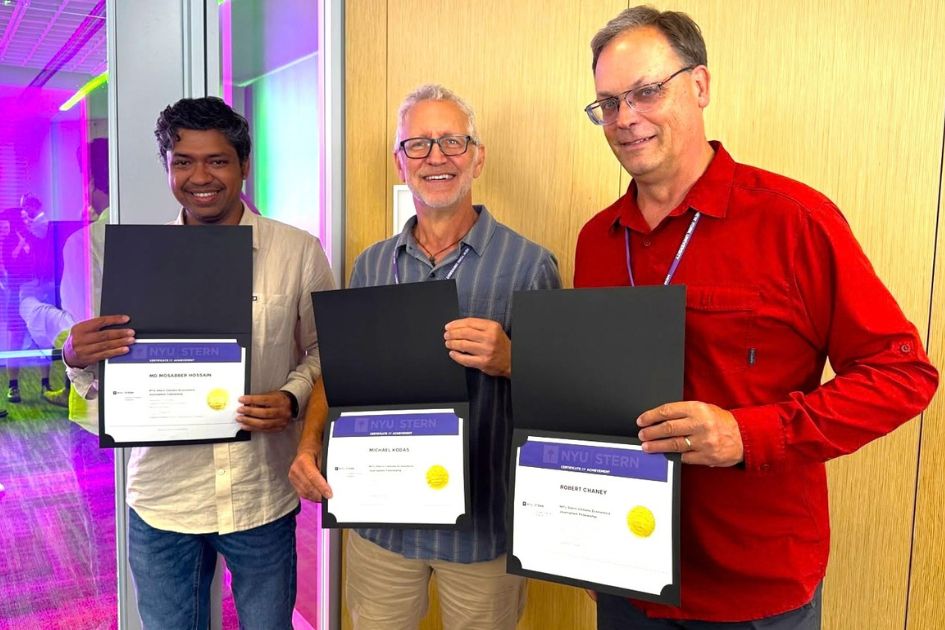
“I learned climate finance from the core, directly from experts in the field. It was a dedicated and well-organized fellowship that has definitely taken my reporting to the next level,” Hossain said.
He also expressed special gratitude to Stroebel, whom he described as knowledgeable, supportive and “wonderfully down-to-earth.”
The experience has added another dimension to Hossain’s approach to climate journalism. The next time he reports on a flood, wildfire, heat wave or disappearing ecosystem, the story may not end with the visible damage. There may be another set of questions behind it: How much did the disaster cost? Who carries that cost? Who is insured—and who is not? Where is the money going? Who benefits from the transition to a low-carbon economy, and who may be left behind?
For Hossain, those questions are increasingly part of the climate story itself.




