




Bangladesh seeks stricter enforcement against poison fishing and more sustainable tourism practices in the Sundarbans, while operators call for a review of seasonal tourism restrictions.
Bangladesh’s environment ministry has warned of action against officials who fail to prevent fishing with poison in rivers and canals of the Sundarbans, the country’s largest mangrove forest.
Environment, Forest and Climate Change State Minister Sheikh Faridul Islam instructed officials to strictly enforce the ban, saying fishing with poison in the Sundarbans must be stopped at all costs.
“Fishing with poison in the rivers and canals of the Sundarbans must be stopped at all costs. Officials responsible must work strictly to prevent such crimes. Action will be taken against officials who fail to perform their duties,” he said.
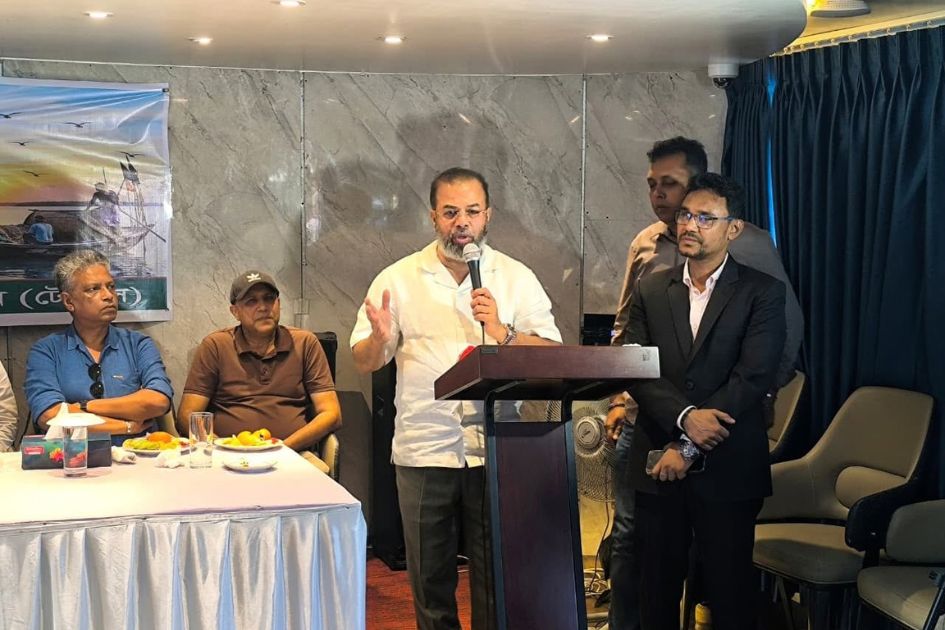
The minister made the remarks on Saturday afternoon during a meeting with members of the Tour Operators Association of Sundarbans (TOAS) aboard the vessel Explore-2 at the BIWTA jetty in Khulna.
Faridul Islam said activities that damage the Sundarbans’ environment and biodiversity would not be tolerated. He gave particular emphasis to preventing fishing with poison and urged Forest Department officials to treat the issue as a top priority.
He also called on tour operators to remain alert and act responsibly to ensure that tourists do not engage in illegal activities inside the Sundarbans.
Tourism in the region must be developed while protecting the Sundarbans’ natural resources and biodiversity, the minister said. He added that scientific research was needed to determine the maximum number of tourists who should be allowed to enter the forest each day.
Measures would be taken to ensure that visitor numbers do not exceed the forest’s capacity and adversely affect its environment and biodiversity, he said.
The minister also called for more environmentally friendly tourism practices, directing that single-use plastic, disposable plates and glasses be banned in the Sundarbans.
He urged operators of tourist vessels to gradually increase the use of solar power and reduce reliance on engines by adopting more environmentally friendly systems for tours.
Faridul Islam also stressed the need to keep tourists’ stays in the Sundarbans within a reasonable period. Rather than allowing visitors to remain in the same area for extended periods, he suggested considering reasonable limits on tour durations.
He also suggested including historical and archaeological sites in Khulna and Bagerhat, along with other tourist destinations, in tour packages when tourism in the Sundarbans is closed.
During the meeting, members of TOAS raised various problems, demands and expectations related to the Sundarbans-based tourism industry. They called for a review of the three-month closure of the Sundarbans to tourists from June to August each year.
TOAS General Secretary Shah Zaman Popul and other leaders said the prolonged closure had negatively affected the income and businesses of tour operators, tourist vessel owners, guides, boatmen and others involved in the sector.
They called for a review of the duration of the restrictions, greater facilities and opportunities for Sundarbans-based tourism businesses and improved tourism infrastructure. They also sought government support to establish planned and sustainable tourism while protecting the environment and biodiversity.
Imran Ahmed, the Forest Conservator for the Khulna region, chaired the meeting, which was attended by TOAS leaders, other members of tour operator organisations, prominent local residents and journalists from print and electronic media.




