

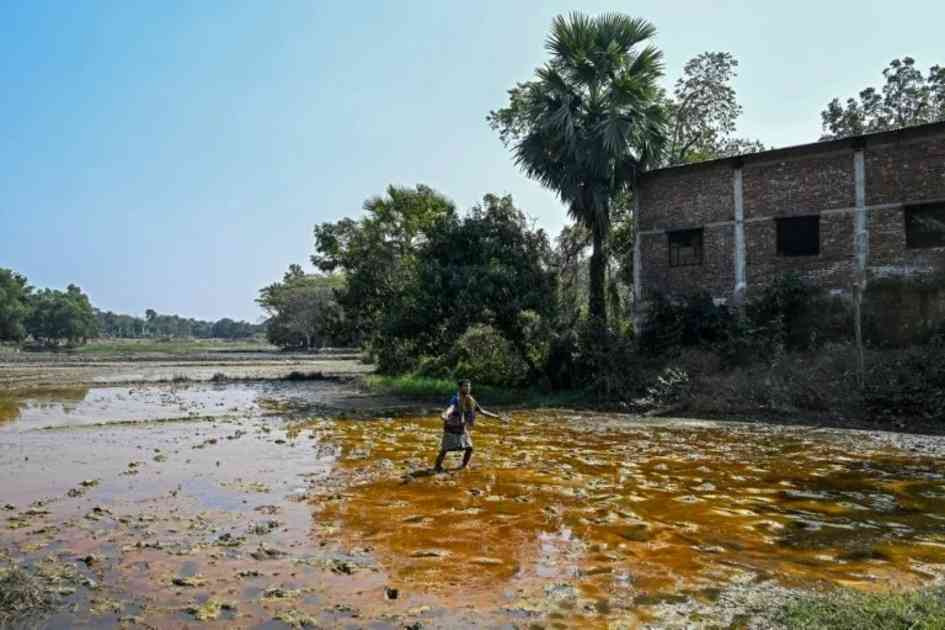



The Fulbaria dispute highlights the human costs of unsafe battery recycling as villagers seek restoration, accountability and protection after years of pollution complaints.
Residents of Narsingdi’s Fulbaria village allege retaliation after a decade-long pollution campaign, raising questions over environmental protection and accountability.
A village campaign that helped shut down a hazardous lead-acid battery recycling factory in Bangladesh has entered a new legal battle, with residents now facing criminal charges they say are connected to their efforts to challenge industrial pollution.
For more than a decade, villagers in Fulbaria of Narsingdi district campaigned against what they described as pollution risks from a used lead-acid battery recycling facility located near their homes and farmland.
After a decade of protests, complaints and legal action, the factory stopped operations following court-directed enforcement measures. Residents expected the closure to begin a process of environmental assessment, restoration and accountability.
Instead, they say they are now fighting to defend themselves.
Nineteen villagers including two childrens have been named in a criminal case filed after the factory closure. Community members said two of those named are minors. The accused deny wrongdoing and allege that the case was filed to pressure people who challenged the factory’s operations.
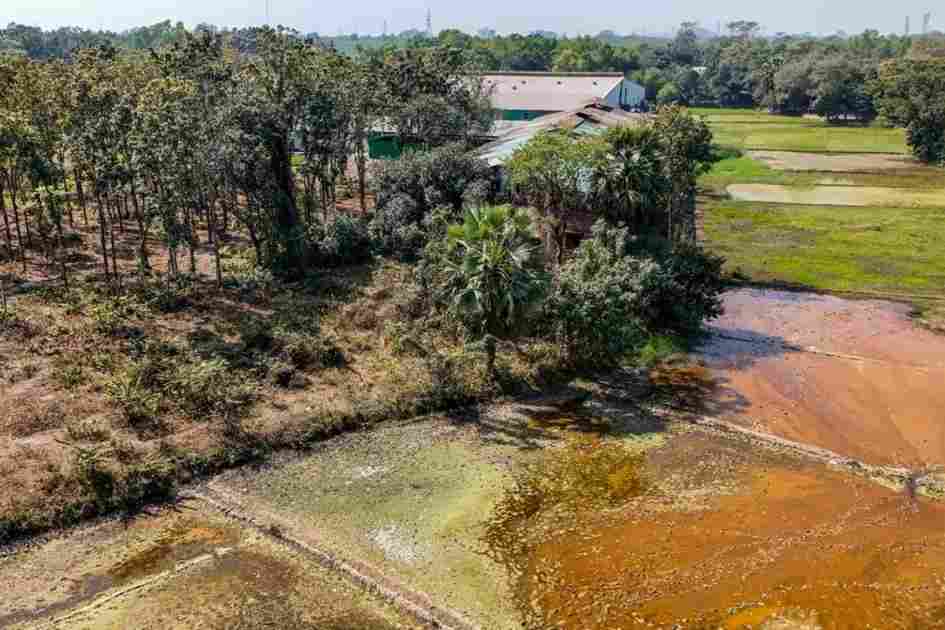
The allegation of retaliation has not been proven in court, and no verdict has been issued.
The case comes as Bangladesh expands the use of battery-powered transport and renewable energy technologies. Experts warn that without safer battery recycling systems, increased demand for lead-acid batteries could create new risks for workers, children and communities exposed to toxic materials.
The Fulbaria dispute reflects a wider challenge facing developing economies: how to pursue a cleaner energy future while ensuring responsible industrial practices, environmental monitoring and protection for communities affected by pollution.
As Bangladesh struggles with the health and environmental impacts of unsafe lead-acid battery recycling, environmental activists, experts and young leaders are calling for stronger safeguards while the country moves towards newer battery technologies for clean energy and electric transport.

A Decade-Long Campaign Against Pollution
Residents say their struggle began more than ten years ago when the battery recycling facility started operating near residential areas, agricultural fields and local water sources.
Villagers alleged that the factory lacked adequate pollution-control measures and that industrial waste affected surrounding farmland and the local environment.
Farmers reported declining agricultural productivity, while families raised concerns about possible health risks linked to exposure to hazardous substances.
For many residents, the campaign was not only about a factory but about protecting their land, livelihoods and future generations.
“I have lived in this village all my life. I raised my voice because I wanted justice, compensation for the damage to my paddy land that fed my family, and a clean environment with safe air and water for future generations,” said Md. Badruzzaman Gazi, a farmer from Fulbaria who is among those facing the criminal case.
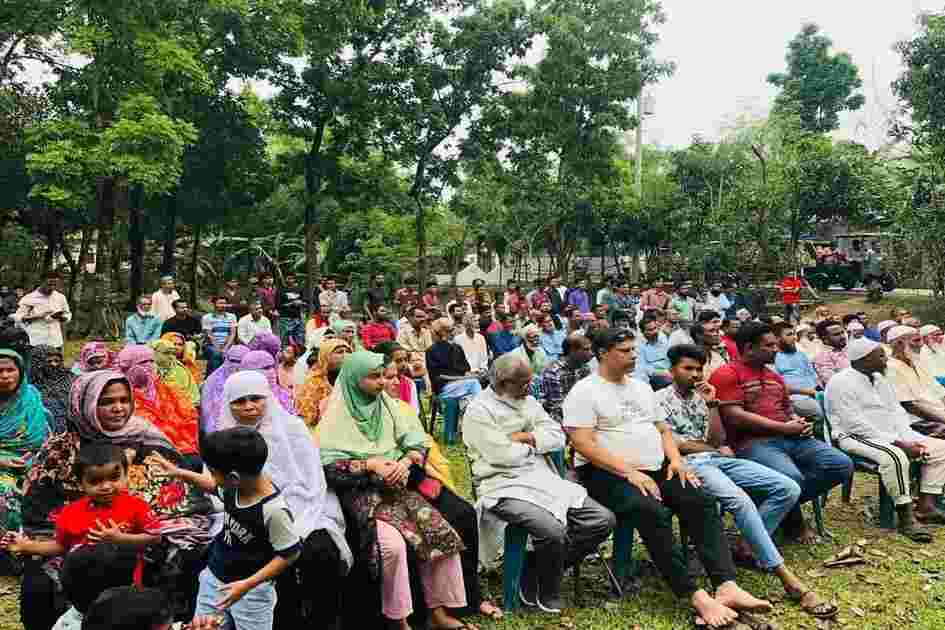
Villagers organised demonstrations, submitted complaints to government authorities and pursued legal remedies. Over time, the campaign became one of Bangladesh’s most visible community movements against alleged lead pollution.
Environmental campaigner Rakib Hasan, whose family and community members were involved in the movement, helped pursue legal action against the factory through his father, Md. Badruzzaman Gazi.
In August 2024, Gazi filed Writ Petition No. 12650/2024 before the High Court, seeking intervention over environmental concerns raised by affected residents.
The legal challenge would eventually contribute to enforcement action against the factory, but residents say it also marked the beginning of another struggle over accountability and protection for people who raise pollution concerns.
Court Battle Leads to Factory Shutdown
The legal dispute over the Fulbaria factory unfolded as residents sought government and judicial intervention over alleged environmental risks.
According to court records reviewed by this reporter and accounts from community representatives, authorities and the Department of Environment took administrative steps after concerns were raised about the factory’s environmental compliance.
Electricity connections to the facility were temporarily disconnected, but residents said operations later resumed, leading to further legal proceedings.
On November 6, 2024, the High Court ordered restoration of electricity supply while directing the factory to install an Effluent Treatment Plant (ETP) and an Air Pollution Control System (APCS) within six months.
The court order focused on environmental compliance requirements and did not determine criminal liability against the factory owners or villagers.
According to community representatives, the factory did not fully comply with the conditions set by the court. The dispute continued, and on December 29, 2024, a Chamber Judge of the Supreme Court granted an interim stay on the High Court order.
The matter later reached Bangladesh’s highest court.
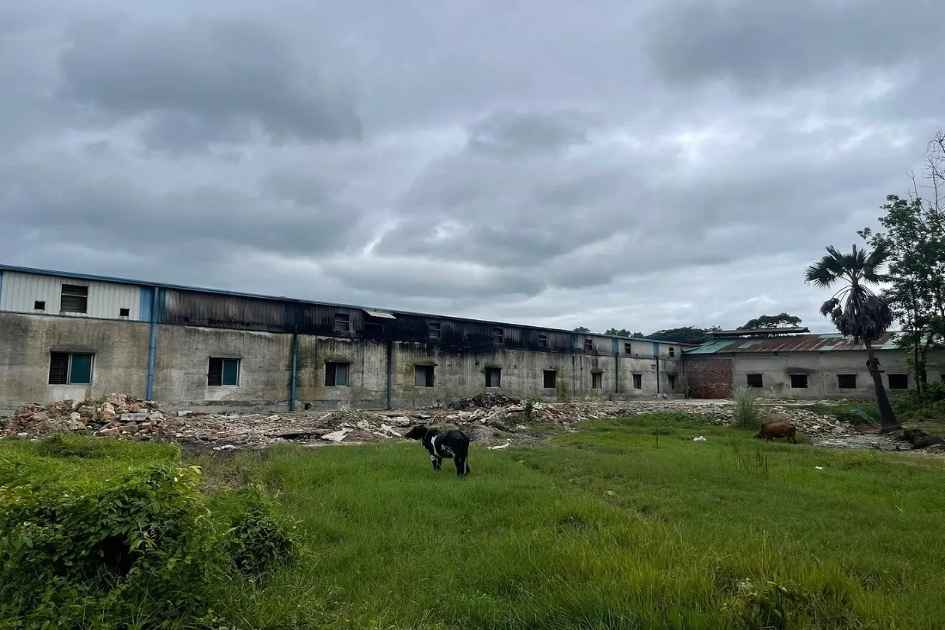
On April 21, 2025, the Full Bench of the Appellate Division of the Supreme Court ordered enforcement action. Following the order, authorities disconnected electricity and generator connections, removed equipment and materials from the site, and effectively halted factory operations.
For villagers, the shutdown represented the result of years of organising and legal efforts.
“We did not want conflict with anyone. We wanted our land, our environment and our children’s future to be protected,” said Rakib Hasan.
However, residents say stopping the factory was only the first step. They continue to seek scientific assessment of possible contamination, restoration of farmland and support for families who say they suffered economic losses.
Criminal Case Raises Concerns Over Environmental Defenders
For Fulbaria residents, the factory closure was expected to begin a recovery process.
Instead, they say they soon found themselves facing criminal allegations.
According to court documents reviewed by this reporter, a criminal case was filed on April 9, 2026, against 19 local residents under several provisions of Bangladesh’s Penal Code.
The accused villagers deny the allegations and say the case is linked to their environmental campaign. The claim remains disputed and has not been determined by the court.
Residents say they have cooperated with legal proceedings and continue appearing before the court as required.
Md. Badruzzaman Gazi said the case has created fear and uncertainty among families who spent years seeking protection from pollution.
“Now I feel unsafe and have been forced to stay away from my home because of the pressure and fear created by this case,” he said. “We are not criminals. We are farmers who asked for protection of our land and our health.”
Environmental rights advocates say the situation highlights the challenges faced by communities that raise concerns about pollution and demand accountability from industrial operators.
Sohanur Rahman, Executive Coordinator of YouthNet Global, an environmental advocacy organisation, said the case demonstrates the need for stronger protection of people who raise environmental concerns.
“The Fulbaria case shows why Bangladesh’s environmental governance must protect not only ecosystems but also the people who speak up when those ecosystems are threatened,” he said.
“Environmental defenders are citizens exercising their right to protect their communities, public health and the environment. When people who expose pollution or demand accountability face intimidation or legal pressure, it weakens public trust in environmental governance and the rule of law.”
Sohanur said Bangladesh’s transition toward a greener economy must include stronger safeguards for environmental defenders, meaningful public participation and accountability for industries handling hazardous materials.
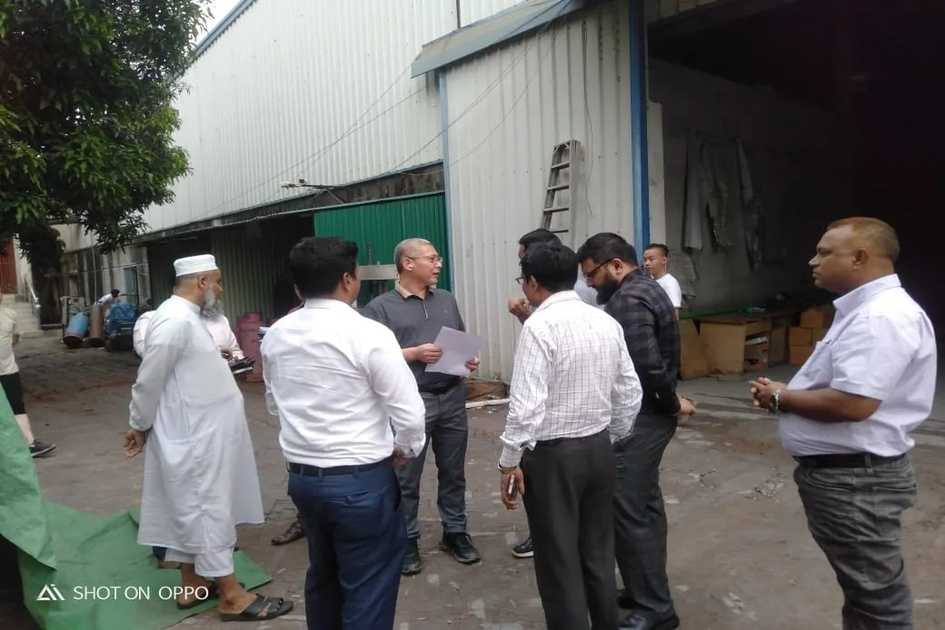
Beyond Closure: A Community Waiting for Restoration
For Fulbaria residents, shutting down the factory did not erase years of concern over possible pollution.
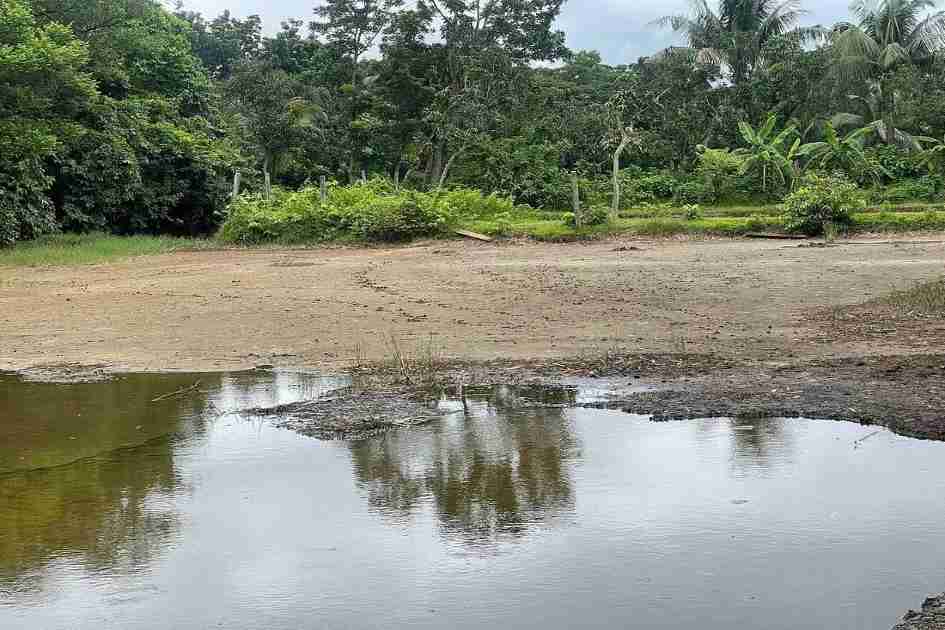
They are seeking a comprehensive environmental assessment to determine whether soil, farmland and water sources have been affected.
Farmers who reported losses linked to alleged pollution want scientific evaluation of affected areas and support to restore livelihoods.
Environmental experts say closing a polluting facility can prevent future harm but does not automatically repair possible contamination.
They argue that environmental recovery requires long-term monitoring, scientific assessment and remediation where damage is confirmed.
“The closure of a facility may stop ongoing pollution, but communities also need answers about past impacts and support for recovery,” said Sohanur.
A Wider Test for Bangladesh’s Green Transition
The Fulbaria case raises broader questions about how Bangladesh manages hazardous industries while pursuing economic growth and climate goals.
Environmental lawyers and civil society groups say industries involved in battery recycling require stronger oversight, transparent monitoring and consistent enforcement of environmental regulations.
They also argue that communities living near industrial facilities need meaningful opportunities to participate in decisions affecting their health, environment and livelihoods.
The issue has global relevance as countries increase investment in electric vehicles, battery storage and renewable energy systems.
Lead-acid batteries remain widely used across many developing economies, including for transport and energy storage. Without safe recycling practices, experts warn that the environmental costs of the clean energy transition could fall disproportionately on vulnerable communities.
For Fulbaria villagers, the struggle that began with concerns over pollution has become a broader fight for accountability, dignity and the right to defend their environment.
Representatives of chinese linked Xin Yuan Industrial Co. Ltd. did not respond to requests for comment before publication. Some government officials declined to comment, citing ongoing legal proceedings.
The Department of Environment, local police and district administration were contacted for comment. Officials said they could not comment because the matter remains under judicial consideration. The company operating the factory did not respond before publication.
Speaking at a World Environment Day event on 9 July, Minister of Environment, Forest and Climate Change of Bangladesh, Abdul Awal Mintoo said the government had finalised a national strategy to address the public health crisis caused by lead pollution.




