

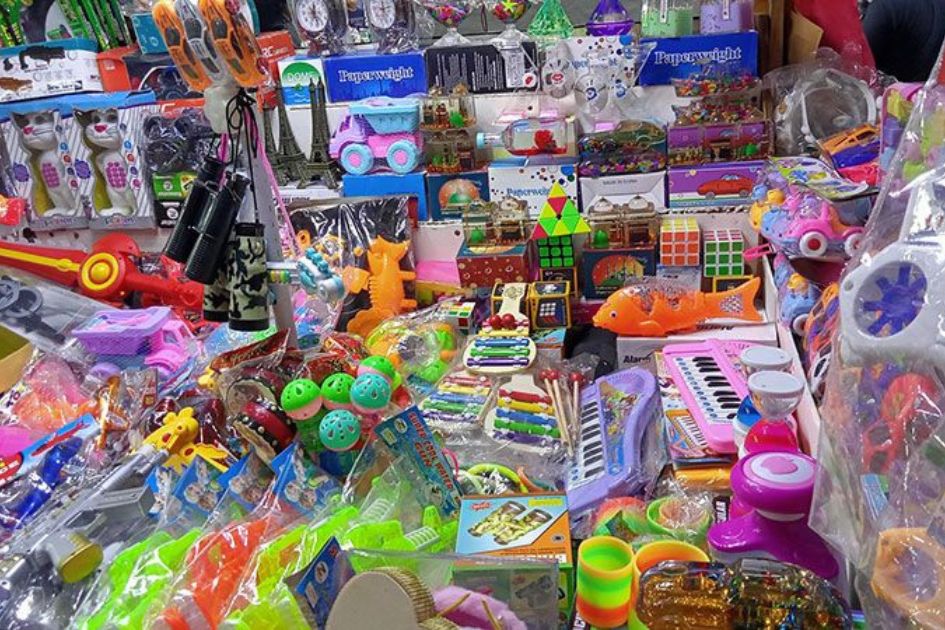



Bangladesh has made toy safety standards mandatory to tackle toxic lead exposure, protect children’s health, and improve product quality while boosting confidence in locally manufactured and imported consumer goods.
In a move to combat the “silent crisis” of toxic exposure, Bangladesh has introduced mandatory safety standards for children’s toys and six other consumer product categories, marking a significant step toward aligning the country’s regulatory framework with international safety benchmarks.
The Ministry of Industries issued a formal gazette notification on June 23, placing all locally manufactured and imported toys under the direct regulatory oversight of the Bangladesh Standards and Testing Institution (BSTI).
Addressing a public health crisis
The policy shift follows growing concern over hazardous heavy metals in everyday consumer products. A 2024 study conducted by the Environment and Social Development Organization in partnership with IPEN found that approximately 80 percent of sampled children’s products in the domestic market contained dangerous levels of lead, mercury, cadmium and chromium.
“Lead pollution is a silent crisis that endangers the health and future of our communities,” said Sohanur Rahman, Executive Coordinator of YouthNet Global. “A clean and healthy environment is a basic human right, especially for our children, who deserve to grow up free from toxic exposure.”
Regulatory expansion
The government’s new framework is not limited to toys. It has also been extended to six additional product categories: plastic feeding bottles, LED lights, fortified corn oil, concrete blocks, synthetic sarees and women’s and girls’ apparel.
Under the new mandate, manufacturers and importers must submit their products for rigorous testing at BSTI-certified laboratories. Only those that meet the updated Bangladesh Standards (BDS) will receive approval for commercial sale.
Balancing industry growth and compliance
The reform comes as Bangladesh’s toy sector continues to experience significant growth. Valued at roughly BDT 70 billion (about USD 600 million), the industry has expanded its global footprint, exporting more than USD 54.4 million worth of products to 47 countries during the 2024-25 fiscal year.
Industry leaders, while supporting the safety initiative, have urged the government to allow a practical transition period. Md. Shawkat Ali, President of the Bangladesh Toy Merchants, Manufacturers and Importers Association, emphasized the need for time to upgrade compliance infrastructure, particularly for small and medium-sized enterprises that may struggle with the immediate financial burden of testing.
Global outlook
Policy analysts view the move as a strategic effort to improve product quality and strengthen the “Made in Bangladesh” brand in international markets. By enforcing stricter standards, officials expect to reduce health risks for consumers while also boosting the competitiveness of locally manufactured goods in global export markets.
The success of the initiative will ultimately depend on the government’s institutional capacity to enforce these standards consistently across the country’s diverse manufacturing sector.




