




Bangladesh’s Prime Minister has ordered an urgent review of proposed bicycle duties after lawmakers and climate advocates warned higher taxes could make green transport less affordable for ordinary commuters.
In a major relief for thousands of students, low-income workers and environmental advocates, the Prime Minister has directed the Finance Ministry to immediately review the proposal to increase duties on bicycles and their components, signalling a potential move to withdraw import taxes and keep eco-friendly transport affordable.
The directive follows sustained pressure from lawmakers and civil society groups, who warned that the proposed tax hikes in the 2026-27 national budget could undermine access to one of the country’s most widely used low-cost transport options.
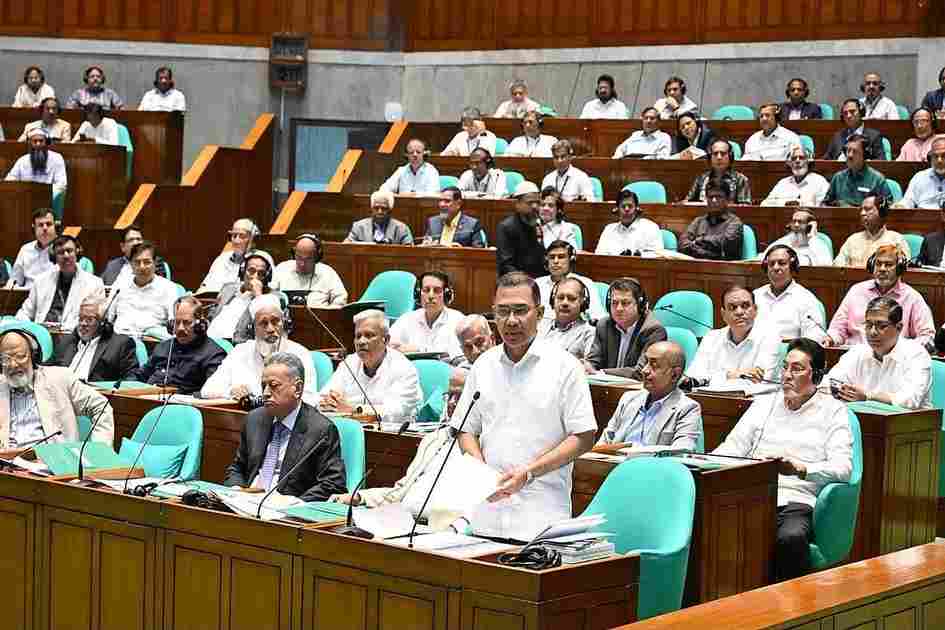
During the budget session on June 17, Member of Parliament Mansura Akter raised the issue, specifically pointing to a proposed increase in import duties on bicycle freewheels, a key drivetrain component, from 15 percent to 25 percent, along with an additional 5 percent regulatory duty.
“Many young women rely on bicycles as a safe, cheap and environmentally friendly mode of transport,” Akter said in Parliament. She cautioned that higher production costs would likely be passed on to consumers, disproportionately affecting students, low-income groups and daily commuters.
The issue escalated on June 26 when the Leader of the Opposition urged the government in Parliament to withdraw the tariffs, arguing that the move was necessary to reduce financial pressure on the public and support climate resilience goals.
A victory for green mobility
The government’s decision has been welcomed by urban mobility advocates and climate campaigners as a positive step toward affordable and sustainable transport.
Sohanur Rahman, Executive Coordinator of YouthNet Global, said the review marks an important step toward climate-friendly urban mobility and urged policymakers to ensure bicycles remain accessible to low-income communities.
Following these interventions, the Prime Minister’s move is being seen as an attempt to prioritise affordability and accessibility over revenue considerations. The proposed approach aligns with broader calls to support students, low-income workers and daily wage earners who depend on bicycles as their primary mode of transport.
Realigning the budget
The Tk 9.38 trillion budget, unveiled on June 25, sought to balance domestic industrial protection with revenue targets. However, the proposed increase in duties on bicycle components drew criticism from stakeholders, who argued that it could undermine national goals on sustainability, reducing urban congestion and climate resilience.
As the Finance Ministry begins its urgent review, the directive is being viewed as a significant policy shift. It reflects a growing policy consensus that essential green transport options should remain affordable and accessible to the public.
With the budget session approaching its conclusion, stakeholders remain hopeful that the final tax structure will reflect the government’s commitment to making bicycles more affordable for the general public.




