




The government links major water infrastructure plans to regional development and climate resilience, while awaiting expert input on the proposed Teesta Master Plan.
Bangladesh Water Resources Minister Md Shahiduddin Chowdhury Anee has said the government has approved the Padma Barrage project to improve livelihoods, agriculture and economic development in the country’s southwestern region, adding that the Teesta Master Plan is also expected to be approved soon once expert opinions are received.
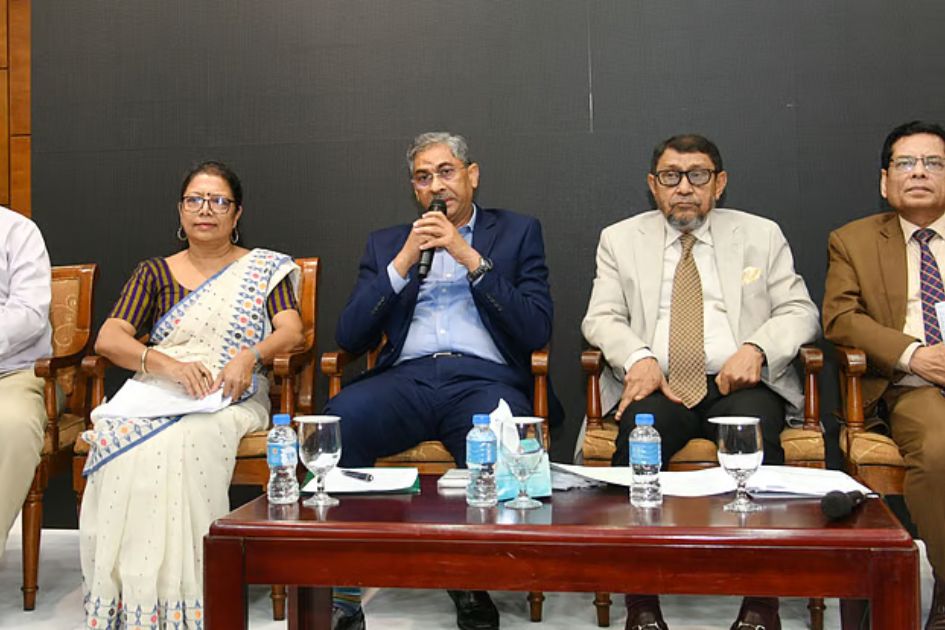
The minister made the remarks on Tuesday at a national conference on a roadmap for implementing a five-year strategic framework, held at the Bangladesh-China Friendship Conference Centre in Dhaka. The seminar, titled “Equitable Socioeconomic Development and Achievement of SDG Goals 3, 5, 6 and 10”, was organised by the Planning Commission.
Anee said the Padma Barrage project had been approved for the welfare of people in the southwestern region, the benefit of agriculture and economic transformation.
Regarding the Teesta Master Plan, he expressed hope that it would also be approved soon after the views of experts are received.
Bangladesh faces a range of risks from climate change, including floods, river erosion, cyclones, drought, waterlogging and salinity, the water resources minister said.
He said the government was working to build safe, inclusive, sustainable and climate-resilient water management systems for future generations.
At the same time, he said the government was working through collective efforts and partnerships to build a liveable, safe and prosperous Bangladesh for all.
The panel discussion at the seminar was chaired by Professor Mustafizur Rahman, a fellow at the Centre for Policy Dialogue (CPD).
Parliament member Anna Minj delivered remarks as the guest of honour.
The panel also included WaterAid Bangladesh Director Partha Hifaz Sheikh, Naripokkho Director Kamrun Nahar and UNICEF Bangladesh Programme Officer Saifur Rahman.




