




Bangladesh seeks to follow Thailand’s example in rescuing and rehabilitating captive elephants, as officials and conservationists call for stronger laws, collaboration, and action to return elephants to natural habitats.
Bangladesh’s environment state minister has said the country can learn from Thailand’s success in rehabilitating captive elephants and returning them to natural life, calling for collective action to improve conditions for elephants held in captivity.
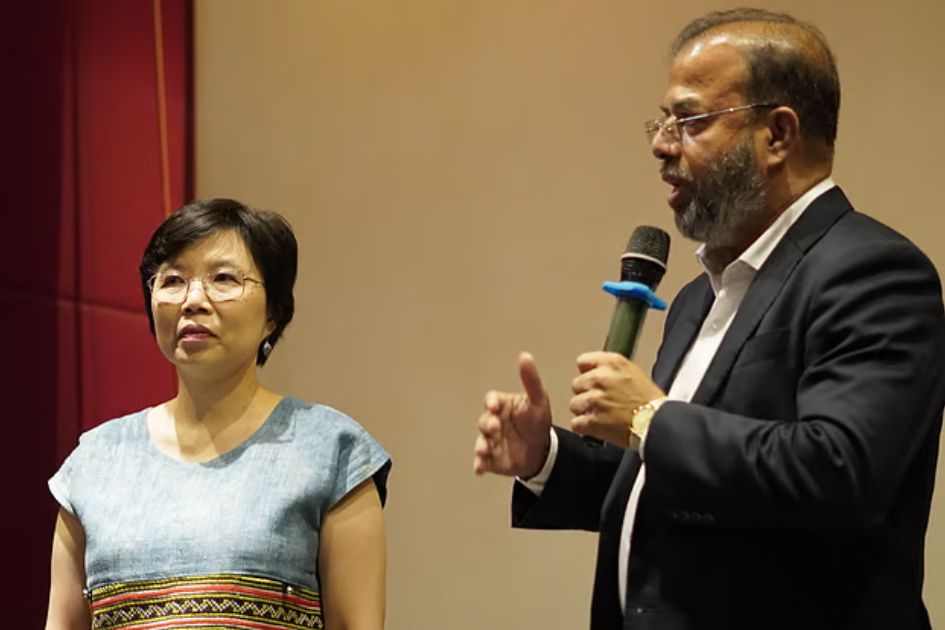
Speaking at an event in the capital on Monday, Sheikh Faridul Islam said Thailand’s approach offers an inspiring model. “There is much to learn from them. Together, we can do something for the captive elephants of Bangladesh,” he told the audience.
The programme, titled Love and Bananas: An Elephant Story, was held at Alliance Française in Dhaka to mark the visit of renowned Thai conservationist Saengduean Lek Chailert, who is globally recognised for rescuing elephants from captivity and reintegrating them into natural habitats. The event was organised by People for Animal Welfare Foundation and Bangladesh Tree Protection Movement.
Islam said Chailert’s work had opened his eyes to the possibilities of elephant rehabilitation. “I had no prior understanding of this. The situation of elephants in Bangladesh is deeply distressing. It pains me to see elephants killed in front of hundreds of people, yet no one steps forward to protect them,” he said.
He added that Bangladesh’s newly passed law on forest and wildlife protection could support such efforts. “Our government is new. Just two days ago, a law was passed to protect forests and wildlife. The work of Lek Chailert can serve as a guideline for us,” he said.

Thailand’s ambassador to Bangladesh, Thitiporn Chirasawadi, said her country would support young Bangladeshis working to conserve elephants. “Thailand stands ready to assist these efforts,” she said.
Chailert, founder of Save the Elephant Foundation and Elephant Nature Park, has spent decades rescuing trafficked elephants and those used in circuses and tourism. Addressing the audience, she said she had been working for 30 years to end cruelty against elephants worldwide.
“In the past, billboards in Thailand advertised elephant circuses. Now those have stopped,” she said, highlighting the progress made in her country.
She also expressed interest in extending similar work to Bangladesh. “With government support, we would like to work here to free captive elephants and return them to natural life,” she said.
The event was moderated by Bangladesh Tree Protection Movement coordinator Amirul Rajib. Animal rights activist Rakibul Haque Emil also presented a short video on efforts to rehabilitate captive elephants at Gazipur Safari Park.




