

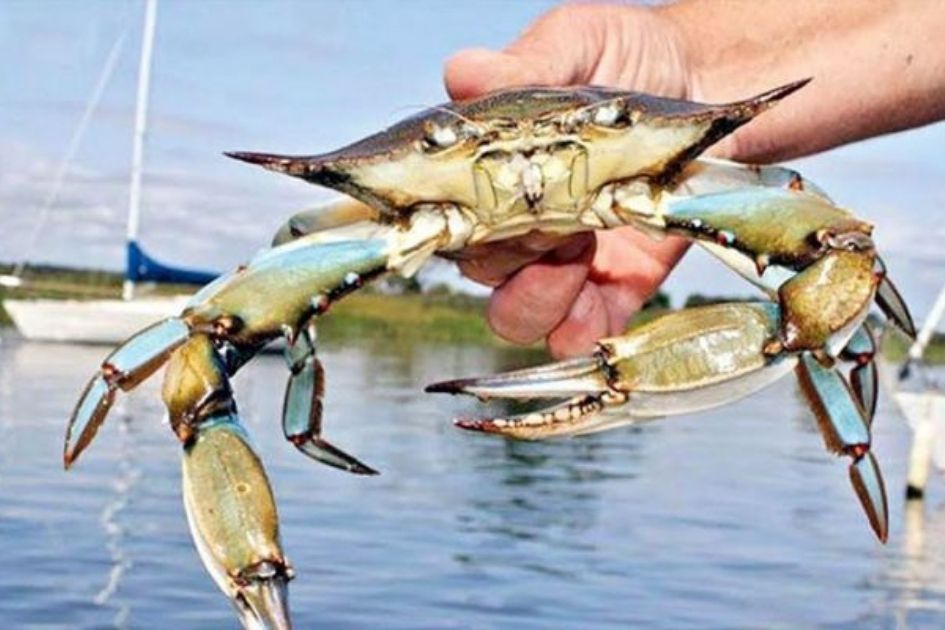

A seasonal ban halts crab harvesting in the Sundarbans for two months to safeguard breeding, protect ecosystems, and ensure long-term livelihoods despite short-term hardship for forest-dependent fishing communities across Bangladesh.
Bangladesh has imposed a two-month ban on crab harvesting in the Sundarbans, the world’s largest mangrove forest, to protect natural breeding and maintain ecological balance. The restriction came into effect on Thursday (January 1) and will remain in force until February 28.
During this period, the Forest Department has suspended the issuance of permits for crab collection. As a result, fishermen who had been operating deep inside the forest have returned to nearby settlements along the Sundarbans’ fringe.
Khulna Circle Conservator of Forests Imran Ahmed said the ban is crucial during the breeding season. “Crabs are highly sensitive at this time as they lay eggs and reproduce. Catching them now could seriously disrupt the ecosystem of the Sundarbans. That is why the restriction is imposed every year,” he said.
On the first day of the ban, dozens of boats used for crab harvesting were seen anchored along the Shakbaria River in Koyra upazila, adjacent to the Sundarbans. Fishermen were unloading equipment and repairing boats as they prepared for the two-month halt in crab collection.
Crab catcher Zahidur Rahman said the ban has intensified economic hardship for many forest-dependent families. “We returned from the Sundarbans last night. Because of insecurity and the risk of piracy, we could not collect many crabs. Now the ban has started and I have no savings. I may need to take loans just to run my family,” he said.
Local residents in Koyra said crab trading has become more profitable than fishing in recent years. Several local markets, including Jorshing, Ghorilal, Baniakhali and Dewlia Bazar, handle hundreds of maunds of crab daily. Despite the seasonal ban, some traders are alleged to encourage illegal harvesting through informal arrangements.
A local crab trader, speaking on condition of anonymity, claimed enforcement remains inconsistent. “In many cases, the ban exists only on paper,” he said, alleging that informal payments are sometimes used to bypass restrictions.
According to Forest Department data, waterways cover about 31 percent of the Sundarbans’ total area of 6,017 square kilometres. The mangrove ecosystem supports 210 species of finfish, 24 species of shrimp and 14 species of amphibians. Around 12,000 licensed boats are allowed to extract resources from the forest, with one-third allocated for crab harvesting. While crab collection is suspended during the breeding season, fishing permits remain valid.
Kashiyabad Forest Station officer Nasir Uddin said January and February are critical months for crab reproduction. “Egg-bearing crabs are easier to catch during this period. If they are protected now, crab populations will increase in the coming years,” he said, adding that patrols have been strengthened and legal action will be taken against violators.
West Sundarbans Divisional Forest Officer AZM Hasanur Rahman emphasized that crabs play a vital role beyond their economic value. “Crabs are essential to the Sundarbans’ food chain and overall ecological health. We urge fishermen, traders and local communities to respect the ban for the long-term protection of this globally important ecosystem,” he said.




