

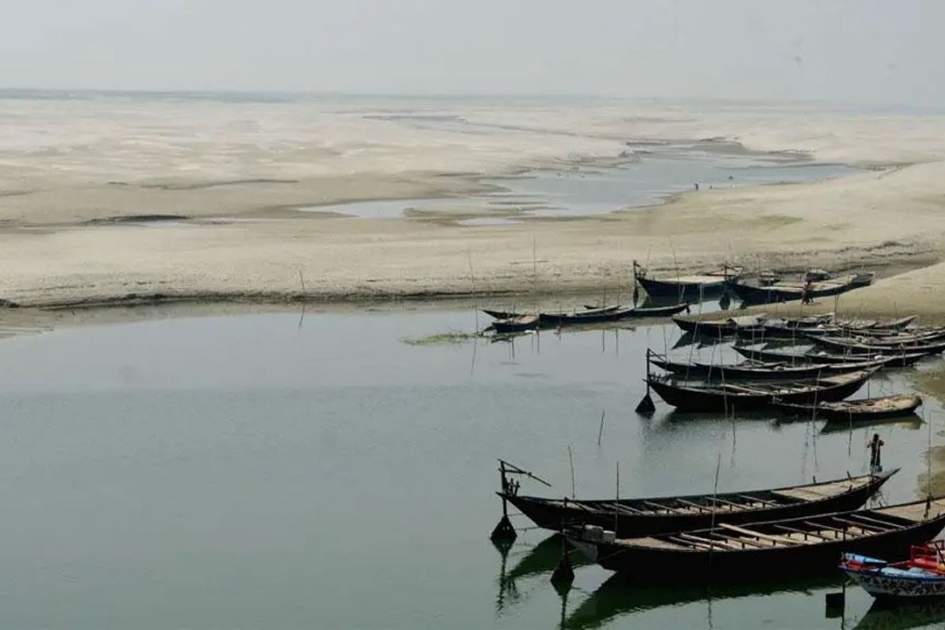



After decades of debate, Bangladesh approves the Padma Barrage to manage rivers, cut salinity, generate power and strengthen irrigation, climate resilience and livelihoods across the southwest for millions of people.
After more than sixty years of planning and discussion, Bangladesh has taken a major step to implement the Padma Barrage Project, a landmark initiative aimed at managing water resources, controlling river erosion and securing freshwater supply in the southwest using its own resources.
The Planning Commission’s Project Evaluation Committee, chaired by Mostafizur Rahman, recently reviewed the project, which is estimated to cost Tk 50,443.64 crore and will be carried out in two phases. The first phase, costing Tk 34,608 crore, is scheduled from March 2026 to June 2033 and will focus on constructing core infrastructure. The second phase will include additional structures and river system restoration.
Officials from the Bangladesh Water Development Board said the proposal could be presented to the Executive Committee of the National Economic Council for final approval on January 25. The initial phase will be funded by the interim government while foreign financing, including from China, may be considered for later stages.
After extensive feasibility studies, Pangsha Point in Rajbari district was chosen as the optimal site. The 2.1-kilometer barrage will include 78 spillway gates, 18 under-sluice gates, a 14-meter navigation lock, two 20-meter fish passes and a railway bridge. The project is expected to generate around 113 megawatts of hydroelectric power and supply water to critical installations, including the Rooppur Nuclear Power Plant.
The first phase will involve dredging the Husna-Mathabhanga and Gorai-Madhumati river systems, storing about 2,900 million cubic meters of water, improving river flows, reducing salinity and preserving mangroves in the Sundarbans. About 19 percent of the population in the southwest and northwest will benefit from improved irrigation and water security.
Experts and local communities see the project as a historic step. Farmer Rezaul Karim from Kushtia said that during the dry season, many canals run dry, affecting fields and fish ponds. Professor Mashfikus Salehin of BUET said the barrage will boost dry-season flows, restore river navigability and improve irrigation while proper engineering will minimize environmental risks.
The project marks a historic milestone in Bangladesh’s water management and is expected to transform livelihoods, agricultural productivity and climate resilience in the southwest for decades to come.
The Padma Barrage will help counter reduced freshwater flow caused by India’s Farakka Barrage, which has triggered salinity intrusion and damaged agriculture, fisheries and biodiversity. Climate activists say the project is critical for climate adaptation, protecting communities from drought, supporting food security and preserving fragile ecosystems.
Sohanur Rahman, Executive Coordinator of YouthNet Global, said the Padma Barrage is not just infrastructure but a lifeline for millions of people, supporting food security, freshwater supply and ecosystem protection. He added that integrating nature-based solutions and community involvement is essential for long-term impact.




