

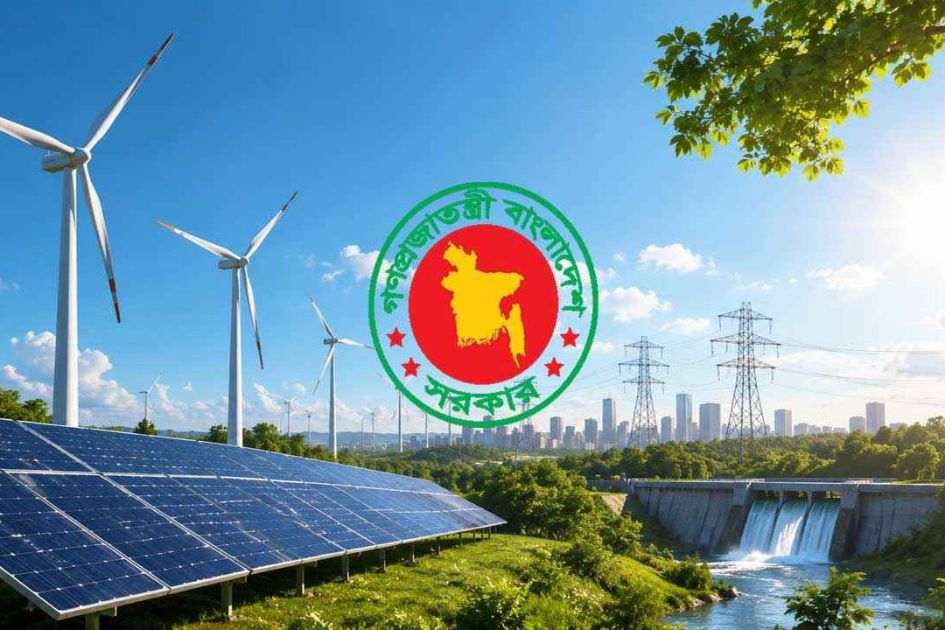



The five-year roadmap combines renewable energy expansion with energy efficiency, grid modernisation, investment incentives and workforce development to strengthen energy security while supporting Bangladesh’s long-term climate objectives.
Bangladesh has approved a new national strategy to accelerate its transition toward clean energy, aiming to increase renewable sources to 20 percent of the country’s total electricity generation mix by 2030 while improving energy efficiency and reducing dependence on imported fossil fuels.
The “National Renewable Energy Development Strategy (2026-2030)” was approved by the Government of Bangladesh following extensive reviews, consultations and recommendations from 31 government bodies, research institutions and energy experts. The strategy outlines a pathway for expanding renewable power generation, strengthening energy security and supporting Bangladesh’s long-term climate goals.
The roadmap comes as Bangladesh faces growing challenges from rising energy demand, volatile global fuel markets and increasing pressure to reduce carbon emissions. The country currently relies heavily on imported fossil fuels, making energy security and affordability major national priorities.
Alongside renewable energy expansion, the strategy sets a target of reducing national electricity demand by at least 15 percent through energy efficiency measures, demand-side management and conservation initiatives.
Officials said the strategy is designed to support a cleaner, more resilient and low-carbon energy system while aligning Bangladesh’s development priorities with its international climate commitments.
Under the new strategy, Bangladesh will promote a diverse range of renewable energy technologies, including rooftop solar, net metering, floating solar, wind power, waste-to-energy and biogas. The government also plans major upgrades to the national electricity grid through smart grid technologies and Battery Energy Storage Systems (BESS) to improve the reliability and integration of renewable energy.
To attract domestic and international investment, the government will establish a Special Renewable Energy Fund and introduce supportive measures such as tax incentives, revised import duties, credit guarantee mechanisms and initiatives to develop a domestic carbon credit market.
The strategy also places importance on environmental safeguards and sustainable land management. It calls for protecting agricultural land from unsuitable renewable energy projects and developing environmentally responsible systems for handling renewable energy waste, including recycling mechanisms for solar panels and batteries.
A major focus of the roadmap is ensuring an inclusive energy transition. The government has set a target of achieving 30 percent female participation in the renewable energy workforce, aiming to expand women’s opportunities in technical, engineering and green economy sectors.
Despite the ambitious targets, officials acknowledge several challenges that could affect implementation, including the limited availability of suitable land, the need for large-scale grid modernisation, investment mobilisation and a shortage of skilled workers in renewable energy technologies.
Experts say achieving the 2030 target will require strong policy coordination, private sector engagement, improved regulatory frameworks and access to climate finance to support a just and equitable energy transition.
To improve transparency and accountability, the government plans to introduce a real-time online monitoring dashboard to track progress on renewable energy projects and establish a National Policy Council to oversee implementation, coordination and institutional accountability.
For Bangladesh, one of the world’s most climate-vulnerable countries, the renewable energy strategy represents a critical step toward reducing emissions while protecting economic growth and strengthening resilience against climate impacts.
The success of the roadmap will depend not only on expanding clean energy capacity but also on ensuring that the transition benefits communities, creates green jobs and supports a sustainable energy future for generations to come.




