

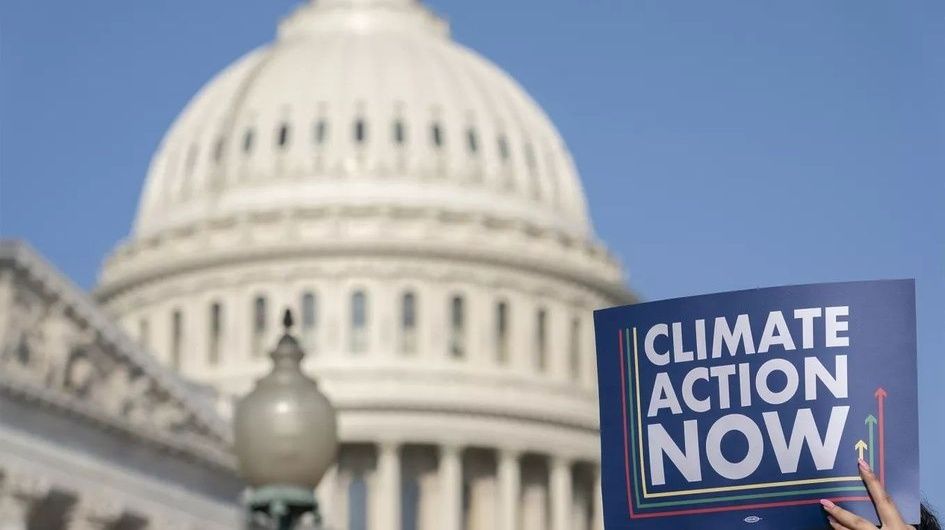



A Rhodium Group study says US greenhouse gas emissions climbed 2.4% in 2025, driven by colder winter demand, surging data-centre power use and a coal rebound despite rapid solar growth.
The United States recorded a 2.4% rise in greenhouse gas emissions in 2025, reversing a long-term downward trend, according to a study released Tuesday by independent research firm Rhodium Group.
The study estimates the US emitted 5.9 billion tons of carbon dioxide equivalent last year, about 139 million tons more than in 2024. This marked one of the few annual increases since emissions peaked in 2005, when levels were far higher.
Researchers attributed the rise to a colder-than-usual winter that increased heating demand, rapid growth in electricity use by data centres and cryptocurrency mining and higher natural gas prices that pushed utilities back toward coal-fired power generation.
Coal power rose by 13% in 2025, despite having declined by nearly two-thirds since its 2007 peak. Coal remains the most carbon-intensive fossil fuel, significantly contributing to the emissions increase in the power sector.
Rhodium said recent environmental policy rollbacks by President Donald Trump’s administration were not a major factor, as they were implemented only this year and did not affect 2025 emissions.
For nearly two decades, US carbon pollution generally fell even as the economy grew, due to expanded renewable energy and improved efficiency. That pattern broke in 2025, with emissions growing faster than economic activity.
Solar power generation jumped 34% last year, overtaking hydropower, while zero-carbon energy sources accounted for 42% of total US electricity generation. Analysts warned that proposed cuts to renewable energy subsidies could slow future progress.
Climate experts called the increase a warning sign. University of Michigan environment dean Jonathan Overpeck said continued reliance on fossil fuels could damage both economic competitiveness and air quality. Climate activist Bill McKibben criticised the shift, saying the US was “going backwards” while other countries accelerate clean energy transitions.
Before the Trump administration took office, Rhodium projected US emissions would fall by up to 56% from 2005 levels by 2035. That projection has now been revised downward, with expected reductions about one-third smaller.
The Environmental Protection Agency said it was not familiar with the report but said it was continuing its mission to protect human health.
Researchers cautioned that while the increase was modest, sustained rises could put US climate targets further out of reach if current trends continue.




