




UNEA-7 Concludes in Nairobi with Global Roadmap on Climate, Biodiversity and Pollution
UNEA-7 ended in Nairobi with a global roadmap on climate, biodiversity and pollution, adopting 11 resolutions as leaders pledged action, amid concerns over diluted texts and shrinking civil society space.
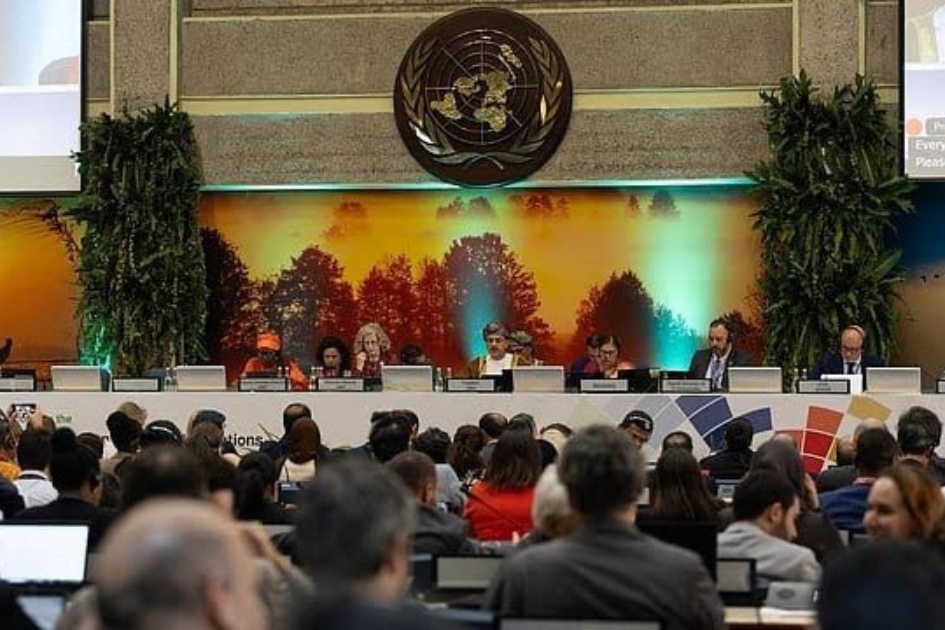
World leaders and delegates from 186 countries concluded the seventh session of the UN Environment Assembly (UNEA-7) in Nairobi on Friday, adopting 11 resolutions, a Ministerial Declaration, and UNEP’s new Medium-Term Strategy aimed at tackling climate change, pollution, and biodiversity loss.
Held over a week at UNEP headquarters, UNEA-7 brought together more than 6,000 participants and focused on urgent environmental challenges, including land degradation, ecosystem loss, and the health impacts of pollution.
The adopted resolutions emphasised ecosystem protection, responsible resource management, pollution control, sustainable innovation, and strengthened youth engagement. Member States committed to safeguarding coral reefs and glaciers, improving minerals governance, managing chemicals and waste safely, and promoting environmentally responsible approaches to artificial intelligence and sports.
Additional resolutions addressed wildfires, antimicrobial resistance, and the growing spread of sargassum seaweed along global coastlines. A dedicated resolution on youth participation underscored the critical role of young people in environmental decision-making and global policy processes.
UNEA-7 covered a broad agenda, including nature, chemicals, waste, and issues related to budgets and governing bodies. However, during negotiations, several proposed resolutions were diluted or withdrawn, raising concerns among observers.
While the Assembly marked historic milestones such as the first-ever Women’s Assembly and the inaugural high-level Indigenous Peoples event, these advances were offset by setbacks in negotiation rooms. Both the Women’s Major Group and the Indigenous Peoples Major Group protested the removal of references to rights holders, including women, gender, and Indigenous Peoples, from final texts. Observers from civil society, youth, scientific communities, farmers, local authorities, workers’ unions, and Indigenous groups also raised concerns over shrinking participation space during negotiations.
Solar geoengineering, though not formally on the agenda, featured prominently in side discussions. On the margins of UNEA-7, the Africa Group launched a new initiative for a plurilateral dialogue on a Solar Geoengineering Non-Use Agreement, building on a recent African Ministerial decision adopted at AMCEN20.
Closing the Assembly, UNEP Executive Director Inger Andersen stressed the urgency of implementation. “You will now return to the world outside the negotiation halls, where people are dying, homes and livelihoods are being destroyed, and inequity is growing,” she said, adding, “We must now, together, hurry down this path to deliver real solutions for a resilient planet and resilient people.”
Bangladesh at UNEA-7
Bangladesh’s National Statement was delivered by Environment, Forest and Climate Change Secretary Dr Farhina Ahmed, who called for decisive, coordinated, and adequately financed global action. She emphasised that climate-vulnerable countries cannot respond effectively without predictable financing and access to technology.
Highlighting the impacts of extreme heat, cyclones, floods, sea-level rise, and riverbank erosion, Dr Farhina noted that climate change is a daily reality for Bangladesh, despite the country contributing less than 0.5 per cent of global greenhouse gas emissions.
She outlined Bangladesh’s enhanced NDC 3.0, which targets 25 per cent renewable electricity by 2035, alongside progress on its National Adaptation Plan and locally led adaptation initiatives. Bangladesh is also implementing its National Biodiversity Strategy, Ramsar Strategic Plan, and Land Degradation Neutrality targets.
On pollution, Dr Farhina highlighted Bangladesh’s early ban on thin plastic bags and ongoing regulations covering solid waste, e-waste, medical and hazardous waste, and ship-breaking. The country has finalised Extended Producer Responsibility directives on plastics and drafted comprehensive Chemical Waste Management Rules.
Reacting to the outcomes of UNEA-7, Bangladeshi youth climate activist Sohanur Rahman, Executive Coordinator of YouthNet Global, said, “Global commitments are only meaningful if they reach the communities facing the worst impacts. Bangladesh is leading by example, but urgent support from the international community is crucial to protect people, ecosystems, and future generations.”




