

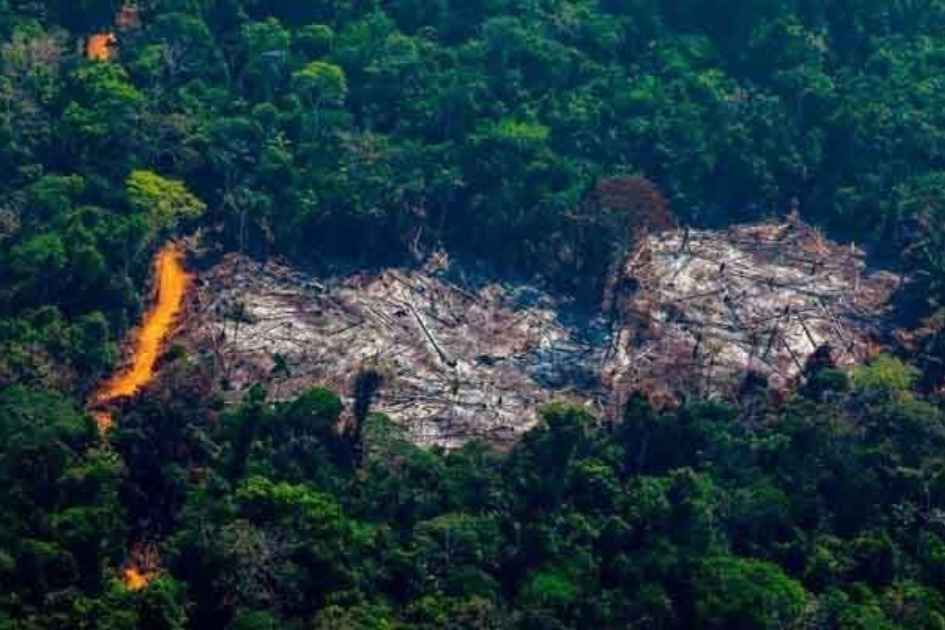



UN report reveals trillions of fuel is fueling environmental destruction while nature protection lags, urging governments and businesses to redirect finance urgently to safeguard ecosystems, climate stability, jobs and long-term global economic resilience.
The world is spending far more on destroying nature than on protecting it, the United Nations warned today as it released its State of Finance for Nature 2026 report at UN Headquarters.
The report sends a global warning. Continued destruction of nature anywhere threatens climate stability, biodiversity and economies everywhere. Redirecting investments toward protecting the planet is no longer optional. It is essential for our shared future.
In 2023 alone, around $7.3 trillion went into activities that harm the environment, while only $220 billion supported solutions that restore ecosystems. Most of that smaller amount came from public funds, showing the urgent need for private sector investment.
The report identifies utilities, energy, industrials and basic materials as the sectors causing the most damage. Harmful subsidies in fossil fuels, agriculture, water, transport and construction further fuel environmental destruction.
UN Environment Programme Executive Director Inger Andersen said the numbers underline the scale of the challenge. “If you follow the money, you see the size of the challenge ahead. We can either invest in nature’s destruction or power its recovery. There is no middle ground,” she said.
The UN report calls for a major policy shift to ensure financial systems support projects that benefit both nature and the economy. It highlights a “big nature turnaround,” focusing on initiatives that protect ecosystems while creating jobs and supporting long-term economic growth.
Some progress has been made. Spending on biodiversity and landscape protection rose 11 percent between 2022 and 2023. International public finance for nature-based solutions in 2023 increased by 22 percent compared to 2022 and 55 percent compared to 2015.
Sohanur Rahman, Executive Coordinator of YouthNet Global, emphasized the importance of people-led action. “Our youth and community leaders are proving that climate solutions must be people-led. COP30 is an opportunity for Bangladesh to show the world that investing in wetlands means investing in our shared future,” he said.




