

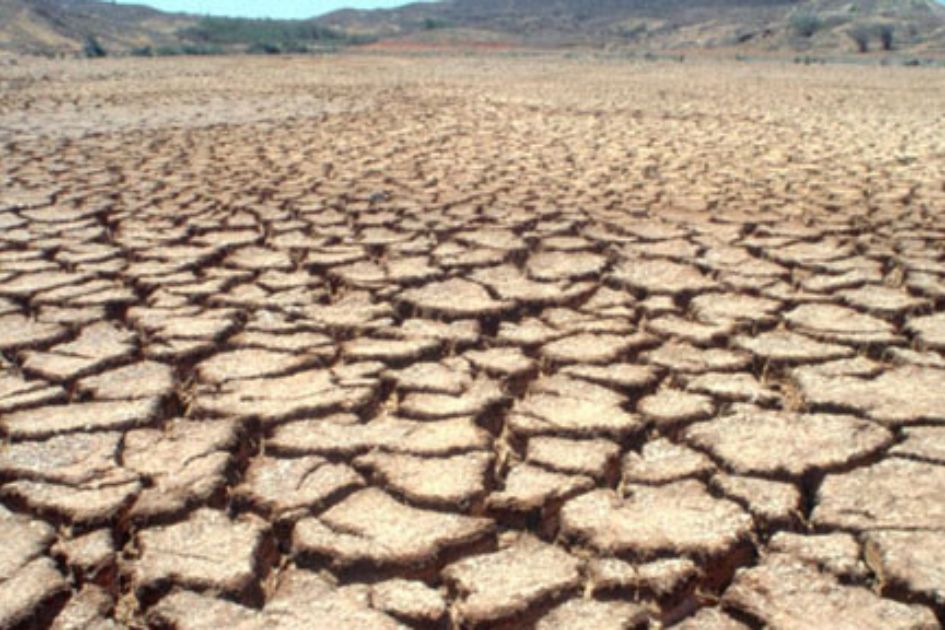



UN climate report finds record heat, ocean warming and rising seas intensifying extremes, with scientists warning Earth’s energy imbalance is accelerating impacts on ecosystems, economies and vulnerable communities worldwide today.
The planet’s climate system continued to warm at an alarming pace in 2025, with multiple indicators reaching record or near-record extremes, according to the World Meteorological Organization’s latest State of the Global Climate report.
Scientists say the findings point to an accelerating and interconnected crisis, with rising greenhouse gases, surging ocean heat and shrinking ice reinforcing one another. The report also highlights a growing imbalance in Earth’s energy system, meaning more heat is entering than leaving the planet.
“Our report confirms that 2025 was among the hottest years ever recorded, about 1.43 degrees Celsius above the pre-industrial baseline,” said Ko Barrett, Deputy Secretary-General of the WMO. “The past eleven years have all ranked as the warmest on record.”
She said the warming is visible across the entire climate system. Glaciers continue to retreat, oceans are heating at record levels and sea levels are rising due to both thermal expansion and melting ice. At the same time, extreme events such as heatwaves, heavy rainfall and tropical cyclones are affecting nearly every continent.
Barrett stressed that climate data is critical for improving forecasts and strengthening early warning systems to protect lives and livelihoods.
Greenhouse gas concentrations reached unprecedented levels. Carbon dioxide climbed to 423.9 parts per million in 2024, the highest in at least two million years, while methane and nitrous oxide hit levels unseen in 800,000 years. Scientists attribute the rise to continued fossil fuel use, wildfire emissions and weakening natural carbon sinks. Nearly half of human-emitted CO₂ remains in the atmosphere, intensifying the greenhouse effect.
The report notes that the increase in CO₂ in 2024 was the largest since modern measurements began in 1957.
Despite a shift from El Niño to La Niña conditions, which slightly cooled global temperatures compared with 2024, the long-term warming trend remains clear. Around 90 percent of the ocean surface experienced at least one marine heatwave in 2025, disrupting ecosystems, damaging fisheries and intensifying extreme weather.
Karina von Schuckmann, the report’s lead author, said the Earth is no longer in energy balance.
“We are now seeing more energy entering the climate system than leaving it, and this excess energy is accumulating at an accelerating rate,” she said. “Around 91 percent of this heat is being absorbed by the oceans.”
She added that increasing amounts of heat are being transferred into deeper ocean layers, locking in changes that could persist for hundreds or thousands of years.
Ocean warming has accelerated sharply, with the rate over the past two decades more than double that observed between 1960 and 2005. This contributes to stronger storms, faster ice melt and rising sea levels, while also threatening marine biodiversity and food chains.
Global mean sea levels remained near record highs in 2025. Since satellite records began in 1993, sea levels have risen by about 11 centimetres. The rate of rise has also accelerated, nearly doubling between 2012 and 2025 compared with 1993 to 2011. All ocean regions are affected, increasing risks for coastal communities, infrastructure and freshwater supplies, particularly in low-lying areas and small island states.
The cryosphere continues to decline. The 2024 to 2025 hydrological year recorded one of the five most negative glacier mass balances since 1950. Eight of the ten worst years for glacier loss have occurred since 2016.
Sea ice trends are equally troubling. Arctic sea ice extent in 2025 was among the lowest on record, with the lowest annual maximum ever observed. Antarctic sea ice reached its third lowest level since satellite monitoring began in 1979. Reduced ice cover decreases the Earth’s ability to reflect sunlight, further accelerating warming.
Oceans are also becoming more acidic due to CO₂ absorption. About 29 percent of emitted carbon dioxide is taken up by the oceans, lowering surface pH levels to values unprecedented for at least 26,000 years. This threatens coral reefs, shellfish and marine ecosystems that support millions of livelihoods.
A key focus of this year’s report is Earth’s energy imbalance, which reached its highest level since records began in 1960 and is increasing by about 0.3 watts per square metre per decade. Scientists say this measure provides a comprehensive picture of global warming, as the total heat stored on Earth continues to rise and accelerate.
The report warns that climate change is already affecting human lives. Extreme weather events including floods, droughts and heatwaves are becoming more frequent and intense, contributing to food insecurity, displacement and economic losses, especially in vulnerable regions. Health risks are also rising, with heatwaves posing serious threats in urban areas and regions with limited adaptive capacity.
John Kennedy, a climate scientist, said the past eleven years are the warmest on record, with accelerating glacier loss and declining sea ice in both polar regions. The past four years have seen the lowest Antarctic sea ice minima ever recorded.
“We are also seeing the impacts of this warming in the frequency and scale of extreme events,” he said. “Ocean heat content continues to rise dramatically, with energy absorption equivalent to many times total human energy use each year.”
Kennedy added that while current trends remain within climate model projections, the key question is how they will evolve and whether warming could accelerate further in the coming years.
The report underscores that rapid, large-scale changes in the Earth system are already producing cascading impacts on both natural and human systems, reinforcing the urgency for action as the climate continues to warm.
This post is republished from IPS (Inter Press Service) UN Bureau Report.




