




Residents of eight villages in Khulna’s Rupsa Upazila say toxic smoke and ash from a carbon factory are harming health, crops, and livelihoods, prompting calls for closure and government action.
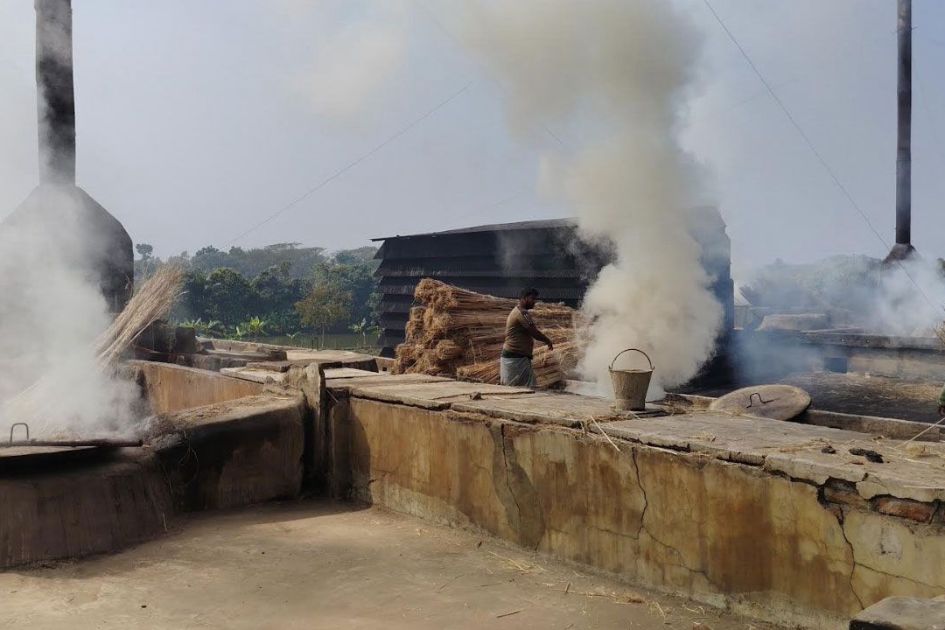
Thick black smoke is engulfing Tilak village and nearby communities in Rupsa Upazila, Bangladesh, leaving residents struggling to breathe and crops coated in ash. The source is the MIMCO Carbon Factory, which burns jute sticks to produce carbon for export.
Villagers say the smoke spreads into homes, schools and farmland, causing respiratory problems such as asthma, coughing and shortness of breath. Fruit trees, rice fields and fish ponds are also being damaged, with yields dropping and livelihoods under threat. “The air is filled with smoke. Crops are failing, fish ponds are blackened and children struggle to study in schools filled with smoke,” said locals including Mujibur, Munsur Ali and Shamsul Haq.
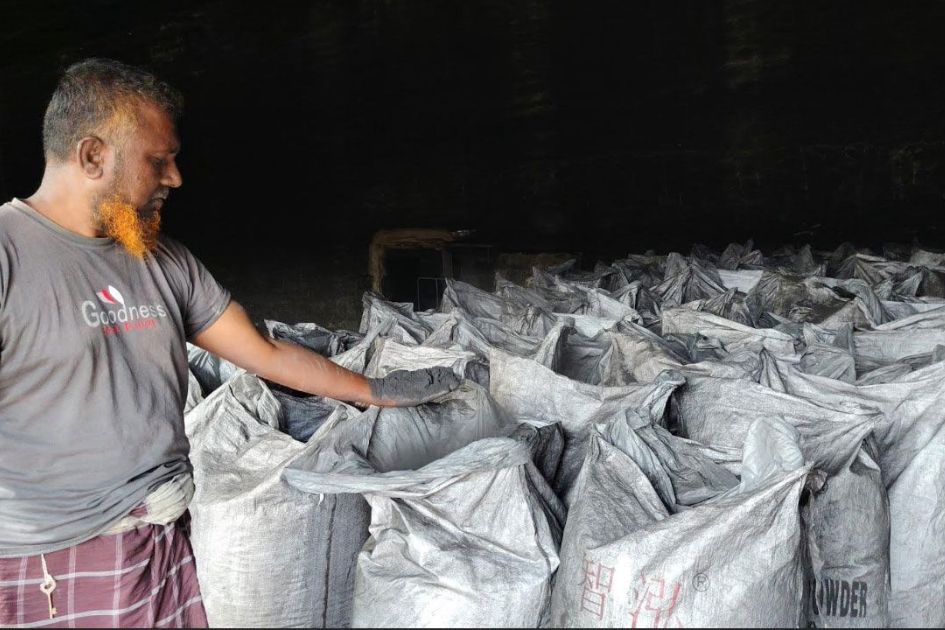
The factory, established in 2013, operates dozens of furnaces that burn jute sticks which are then processed into carbon and exported to China. While MIMCO officials claim the chimneys limit environmental harm and that workers remain healthy, local authorities report otherwise. “Excessive smoke and fly ash are affecting pollination, crop production and human health,” said Rupsa Agriculture Officer Tarun Kumar Bala.
The Department of Environment confirmed that the factory’s operations are technically illegal due to unrenewed environmental permits and promised inspections. Khulna District Commissioner A.S.M. Jamshed Khondkar stressed that without proper environmental safeguards, legal action will follow.
With toxic emissions affecting eight villages, experts say urgent measures are needed to protect public health and preserve the local environment. Villagers are demanding that the factory be relocated or shut down to prevent further damage.




