

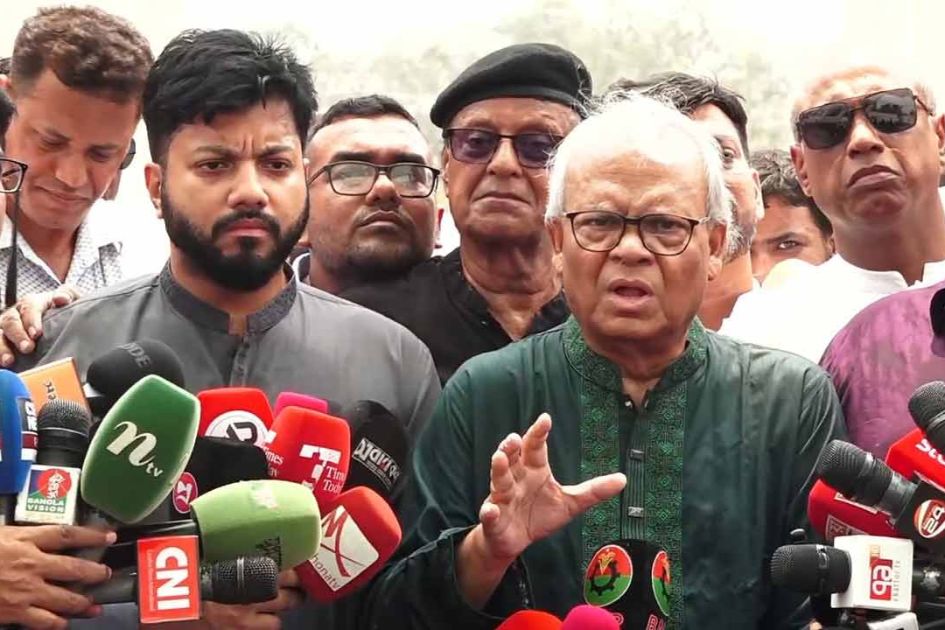



BNP leader Rizvi calls for cutting solar import taxes to boost rooftop adoption, reduce grid pressure, and accelerate Bangladesh’s shift toward renewable energy amid rising demand.
Bangladesh Prime Minister’s political adviser and ruling party Bangladesh Nationalist Party Senior Joint Secretary General Ruhul Kabir Rizvi has called for urgent policy reforms to accelerate rooftop solar adoption, arguing that high import taxes are preventing households and businesses from shifting to renewable energy.
Ruhul Kabir Rizvi said the current tax burden on solar accessories and components is discouraging investment in distributed solar power systems. He urged the government to reduce taxes on solar equipment to near zero to make renewable energy more affordable and accessible.
Energy analysts have long pointed out that high import duties and complex taxation structures remain significant barriers, which he claimed exceed 60%, to the rapid expansion of rooftop solar systems in Bangladesh, despite strong solar potential and rising electricity demand.
“Rooftop solar should be encouraged so people can generate electricity from their own homes and reduce dependence on external sources,” Rizvi said during a public event on Sunday morning after paying tribute at the mausoleums of former president Ziaur Rahman and former prime minister Khaleda Zia alongside members of the Freedom Fighters Generation Party.
He referenced Pakistan’s growing use of rooftop solar systems to meet part of its electricity demand, suggesting that Bangladesh could follow a similar model to address its own energy challenges.
“The government should be encouraged to reduce taxes on rooftop solar panels and lower import duties on related equipment,” he said. “If people can install solar panels on their roofs, they can meet their own electricity needs and reduce pressure on the national grid.”
Rizvi also stated that Bangladesh’s energy challenges are linked to global market conditions rather than domestic political causes and said the situation is gradually improving. He added that BNP’s leadership, including party acting chairman Tarique Rahman, has committed to expanding renewable energy initiatives if elected.
Renewable energy advocates argue that reducing fiscal barriers could accelerate private sector participation and help diversify Bangladesh’s energy mix, especially as the country faces increasing pressure from fuel price volatility and climate-related energy risks.




