

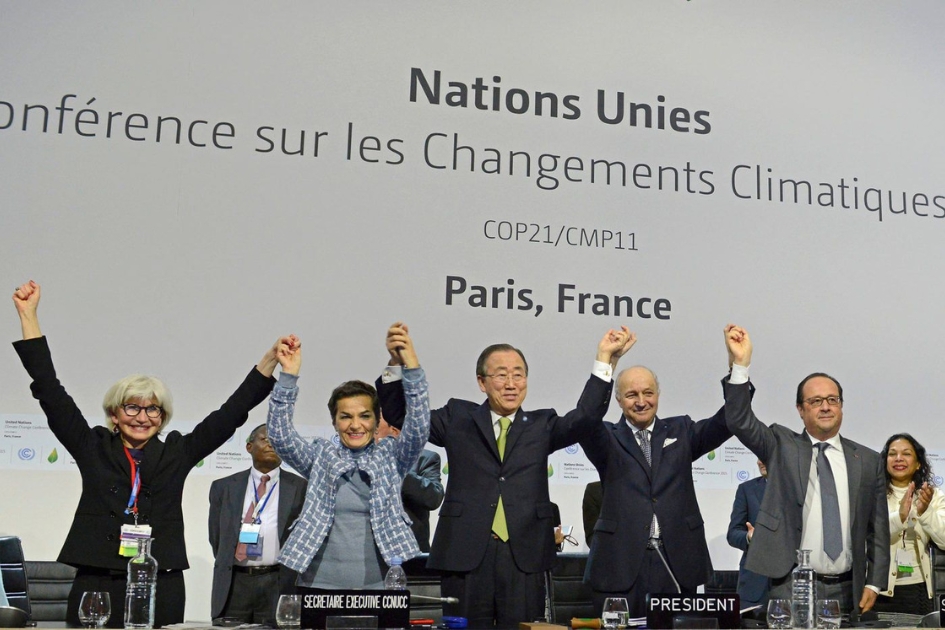

Nearly a decade after adoption, the Paris Agreement still shapes global climate action. This explainer challenges common myths and shows why stronger, fairer implementation is critical for our shared future.
Nearly ten years have passed since the Paris Agreement was adopted in 2015 at the UN Climate Summit COP21, bringing together almost every country in the world under a shared climate framework. Its central aim was clear: to limit global temperature rise to well below 2 degrees Celsius and pursue efforts to keep it to 1.5 degrees, while strengthening resilience and supporting those most affected by climate impacts. Yet despite its importance, myths around the Paris Agreement continue to circulate and weaken public understanding.
Myth 1: The Paris Agreement will stop climate change by itself
Reality: The Paris Agreement is not a standalone solution. It provides a global structure for cooperation, but emissions fall only when countries turn commitments into real action through policy reform, investment and systemic change. The agreement depends on political will and public pressure to succeed.
Myth 2: The Paris Agreement has failed
Reality: Without the Paris Agreement, the world would be heading toward far more dangerous levels of warming. It has driven national climate plans, improved transparency and kept climate change at the centre of global politics. However, current actions are still insufficient, showing the need for faster and more ambitious implementation.
Myth 3: All countries are required to act in the same way
Reality: The Paris Agreement recognises that countries have different responsibilities and capacities. Nationally determined contributions allow flexibility while maintaining a shared global goal. This principle of fairness is essential for trust and long-term cooperation.
Myth 4: The Paris Agreement is only about reducing emissions
Reality: Climate impacts are already being felt across the world. The agreement also focuses on adaptation, resilience and climate finance to support communities facing floods, droughts, heatwaves and sea level rise. For many, adaptation is about protecting lives and livelihoods.
Myth 5: Climate action slows economic growth
Reality: Climate action can strengthen economies. Investment in clean energy, resilient infrastructure and sustainable agriculture creates jobs, improves public health and reduces long-term economic risks. The global transition to low-carbon development is already underway.
A decade later, the Paris Agreement remains essential but incomplete. The gap between commitments and action is still wide and the cost of delay is rising. Myths distract from the urgent need to strengthen ambition, deliver fair climate finance and ensure accountability.
As the world moves beyond the first decade of the Paris Agreement, the choice is clear. Continue with half measures and misinformation or accelerate action to secure a safer, fairer future for all. Climate myths must be challenged because the consequences of inaction are measured in human lives and lost opportunities.




