




Fiji’s climate negotiators are pressing for grant-based finance, stronger emissions cuts and ocean action, while seeking Pacific unity ahead of COP31 negotiations in Türkiye.
Fiji has made it clear that Pacific nations will not accept weak climate outcomes at COP31, with chief climate negotiator Dr Sivendra Michael affirming that “no decision is better than a bad decision.”
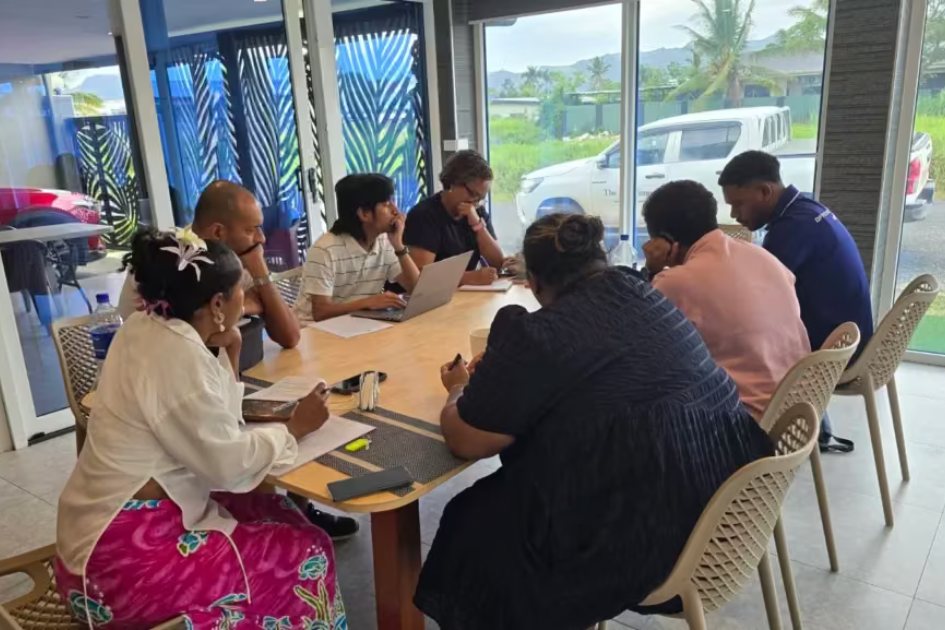
Speaking at a briefing with local media in Nadi this morning, ahead of the Pre-COP31 summit in Nadi, Dr Michael said Pacific negotiators have been working intensively to define clear regional “red lines” and establish acceptable landing zones for negotiations.
He stressed that Pacific countries would rather see talks deferred than agree to a decision that undermines their priorities.
“We will not accept a decision text that does not recognise Pacific red lines,” he said.
A key focus of discussions is the operationalisation of the Just Transition Mechanism, which supports countries moving away from fossil fuels.
Dr Michael said climate transition efforts cannot be separated from climate finance, reiterating that vulnerable Pacific nations need direct public funding and grants, not loans that increase debt burdens.
Fiji’s key priorities
1.Keep 1.5°C alive by defending climate science and pushing for stronger emissions cuts.
2.Secure grant-based climate finance for adaptation and resilience.
3.Elevate ocean-climate action into formal UN climate decisions.
4.Strengthen Pacific leadership and ensure youth and community voices are reflected in global negotiations.
5.Dr Michael also reaffirmed the COP28 commitment to transition away from fossil fuels in energy systems in a just, orderly and equitable 6.manner, noting that agreement on the issue remains challenging as some major economies continue to resist stronger language and timelines.
He challenged journalists to examine global funding inequities, pointing out that countries like Fiji often receive only a fraction of the support available through international climate finance mechanisms, despite facing some of the world’s most severe climate impacts.
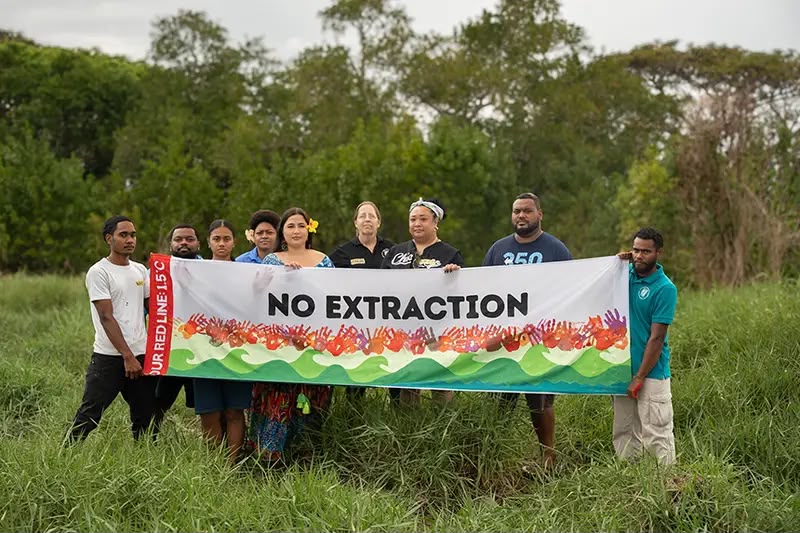
Negotiators are now finalising the Falefatu-Pākasa Declaration, which will capture the Pacific’s collective position on climate finance, the 1.5°C temperature goal, ocean action and regional leadership ahead of COP31 in Antalya, Türkiye.
With around 36 ministers and heads of delegation attending the Nadi talks, Dr Michael said success would ultimately be measured by whether visiting leaders leave with a renewed sense of urgency.
“If they have come and seen the realities faced by small island developing states and their mindset still does not change, then that would be the greatest disappointment,” he said.
As plenary sessions begin in Denarau, Pacific leaders are determined to ensure the concerns of the world’s most climate-vulnerable nations remain firmly at the centre of global climate negotiations.




