

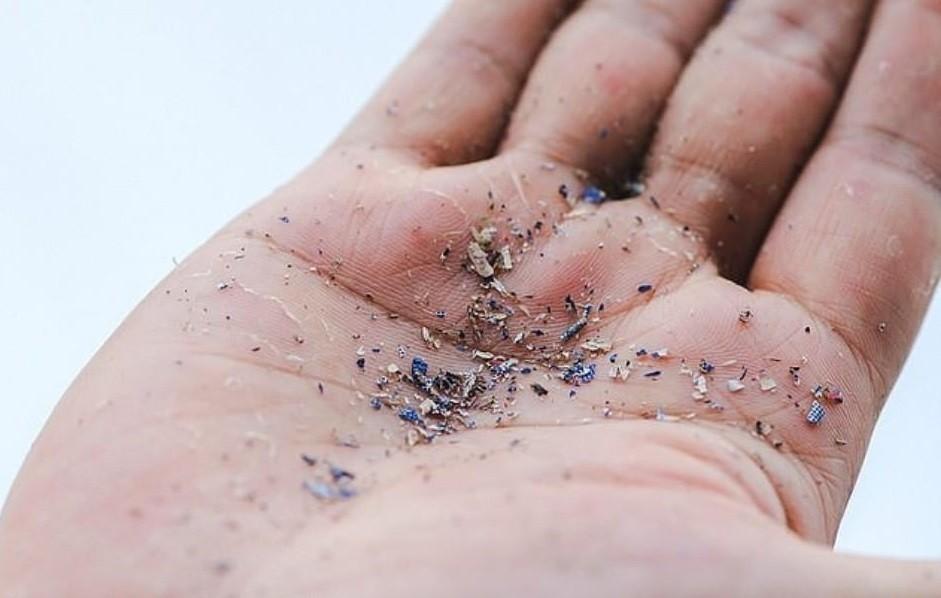

They are smaller than a grain of rice yet have infiltrated our food, water, and air. Microplastics now threaten public health, ecosystems, and economies in Bangladesh and beyond.
From the rivers that sustain livelihoods to the very air people breathe, Bangladesh is now under silent siege by microplastics. These particles, often less than 5 millimeters—and nanoplastics even smaller—have become ubiquitous. Scientists estimate humans consume roughly the equivalent of a credit card’s worth of plastic every week.
Globally, microplastics are turning up everywhere: in bottled water, seafood, vegetables, bread, honey, and even table salt. A litre of bottled water may contain up to 240,000 nanoplastic particles, sometimes six times higher than in tap water. Beyond swallowing, we inhale these particles in city air, or absorb them through contact with synthetic clothes and personal-care products. Alarming research has now detected microplastics in human blood, arteries, and vital organs like the liver, brain, and heart.
Bangladesh’s vulnerability
Bangladesh’s plastic crisis is particularly severe. Rapid economic growth, heavy reliance on plastic-based industries, and ineffective waste management have left the country increasingly exposed. Research covering 2014 to 2024 shows microplastic contamination across rivers, soils, air, fertilizers, and food chains.
The Meghna, Karnaphuli, and Rupsha rivers are major conduits, carrying nearly one million metric tons of mismanaged waste annually into coastal zones. Common pollutants include polyethylene, polypropylene, polystyrene, PET, and polyamide, much of it originating from discarded fishing nets, industrial discharge, and urban litter.

Plastic use has surged dramatically—from 3 kg per person in 2005 to 9 kg in 2020. COVID-19 worsened the trend, adding 21 billion polythene bags and 78,000+ tons of waste in a short span. The economic toll is staggering: plastic pollution costs Bangladesh about $39 million a year, draining fisheries, tourism, and public health budgets. Cleanup consumes nearly 30% of the nation’s environmental spending.
The health risks
Although research into long-term impacts on humans is still developing, scientists warn that microplastics can carry toxins such as endocrine-disrupting chemicals, heavy metals, and persistent organic pollutants. Inside the body, these particles may contribute to oxidative stress, inflammation, and metabolic disruption. The global scientific community now widely treats microplastics as a serious public health threat.
How to limit personal exposure
Experts stress that individuals can lower their exposure—though not eliminate it entirely—by making small lifestyle changes:
In the kitchen:
- Avoid microwaving food in plastic containers.
- Store food in glass or metal rather than plastic.
- Choose utensils made from wood, ceramic, or stainless steel.
- Wash fresh produce and grains thoroughly.
For drinking water:
- Opt for tap water over bottled water when safe.
- Use certified carbon filters or boil water before drinking.
- Carry beverages in glass or stainless-steel bottles.
Why systemic change is essential
Personal choices help, but they cannot solve the problem. The root driver is fossil-fuel-based plastic production and the absence of strong waste management systems. Researchers argue that only bold, coordinated action can protect ecosystems and human health.
Simulations show that effective interventions—converting 69% of waste, separating 80% at source, and halving river plastic discharge—could substantially reduce the threat. This requires strict regulation of plastic producers, large-scale investment in recycling and circular economy initiatives, and international cooperation.
A critical crossroads for Bangladesh
If current trends continue, Bangladesh’s per capita plastic waste could reach 11.6 kg by 2040, while landfills swell and rivers carry even more pollution to the sea. The choice is stark: act decisively now or face mounting costs in health, economy, and environment.
As U.S. researcher Tracey Woodruff observes, “The burden shouldn’t be on me as the consumer to figure out if products can be toxic.”
For Bangladesh, the burden of leadership is clear. Combating the invisible menace of microplastics will require policy enforcement, public awareness, and community-driven solutions—before plastic overwhelms both people and the planet.




