

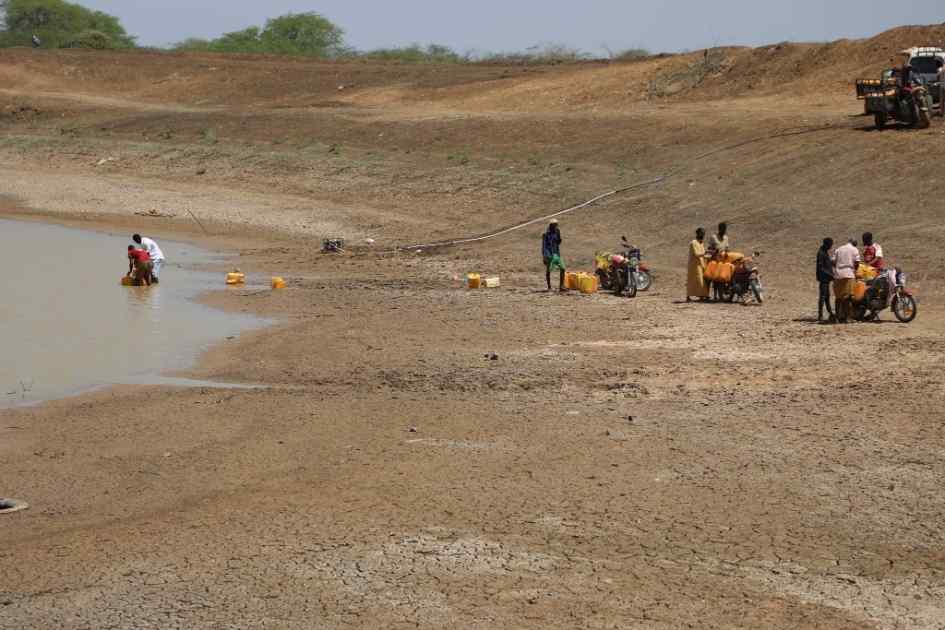



After months of severe drought, sudden rains in Kenya’s Mandera bring relief but create flooding, disease risks and logistical challenges, forcing authorities and aid groups to shift rapidly from drought relief.
The arrival of long-awaited rains in Mandera has brought a bittersweet relief to a county long gripped by drought, forcing authorities and aid groups to rapidly shift from drought response to flood management across the fragile northern region.
For months Mandera stood at the center of a national humanitarian crisis. The land was parched, livestock were dying and communities were pushed toward acute food insecurity.Then the rains finally arrived.
For pastoralists and farmers across this northern frontier the rainfall has been a blessing. But the sudden downpour has also created new logistical hurdles and public health risks that threaten to undermine recent humanitarian gains.
Relief agencies say the shift from drought relief to flood response has been far from smooth.
The same dirt roads once used to truck emergency water to dying livestock have now turned into muddy quagmires. As a result aid deliveries have become increasingly difficult, creating what humanitarian workers describe as a “famine to flood” paradox that requires rapid coordination and immediate reallocation of resources.
The paradox of relief
Until recently Mandera was the focus of intense humanitarian operations aimed at preventing a worsening food crisis.
Aid efforts ranged from interventions by the Ali Roba Foundation to emergency cash transfer programs carried out by organizations including RACIDA. Their common objective was survival.
Thousands of households had been classified under IPC Phase 4, known as Emergency, or IPC Phase 3, classified as Crisis. Relief networks were operating at their limits.
The recent rainfall has dramatically changed the operational landscape.
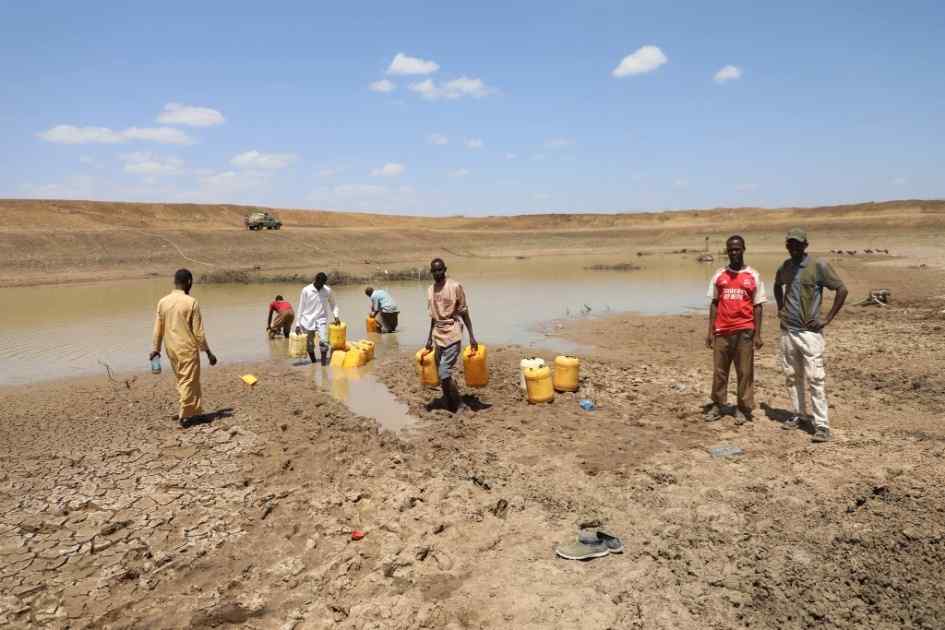
Logistical bottlenecks: Heavy rain has turned dirt roads into mud making it difficult to deliver food and non food assistance to remote settlements including Takaba Banisa and Elwak.
Public health concerns: Floodwater has created stagnant pools raising the risk of waterborne diseases such as cholera in areas where sanitation systems remain fragile.
Agricultural shifts: While rainfall is replenishing grazing land the sudden water surge has delayed planting and harvesting. Despite the newly green landscape many households still depend on food aid.
Fatuma Mohamed Tiko Chief Officer in the Department of Social Services and Special Programs has been coordinating the county’s response during the transition. She has been overseeing verification of beneficiary lists while also assessing flood related damage across affected areas.
Officials say the county government’s ability to shift its disaster response protocols from water trucking during drought to flood mitigation will determine the effectiveness of the current response.
A vulnerable frontier
Mandera’s exposure to climate shocks is deeply structural.
As one of Kenya’s Arid and Semi Arid Land counties the region operates on what officials describe as a razor thin margin of safety.
When drought strikes the pastoralist based economy collapses. When floods arrive roads boreholes and other essential infrastructure suffer damage that can take years to repair.
Recent emergency support illustrates that fragility.
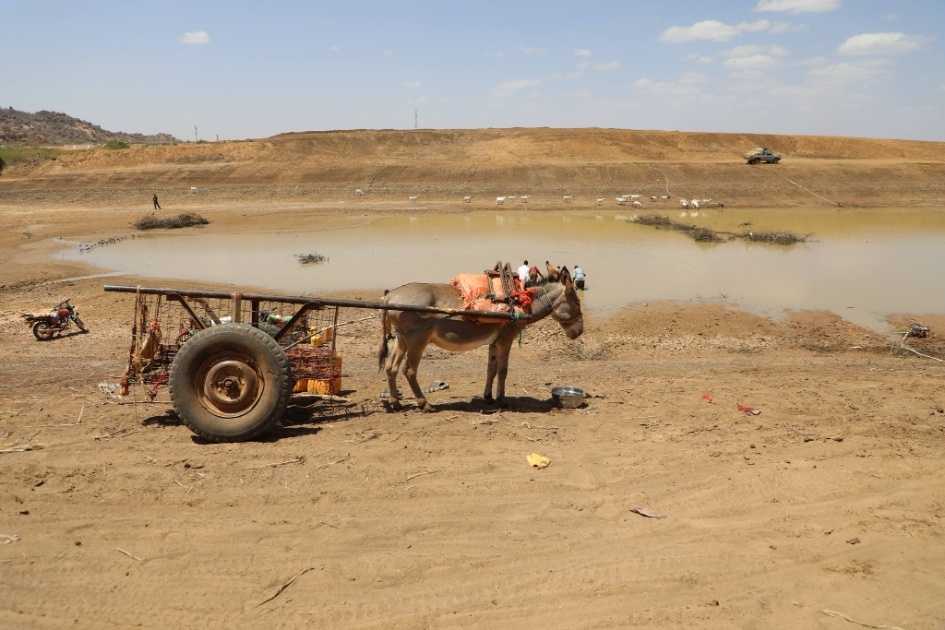
Humanitarian interventions including cash transfers have totaled more than KES 190 million according to local authorities highlighting the extent to which the region depends on emergency support during climate shocks.
The ASAL Humanitarian Network has repeatedly warned that early warning must be matched by early action.
The rainfall of March 2026 while welcomed by communities also underlines the urgent need for long term investments in water harvesting systems resilient infrastructure and diversified livelihoods.
Temporary food distribution remains a critical short term measure but experts say it cannot replace sustainable water management systems capable of withstanding both extreme drought and heavy rainfall.
Calls for lasting resilience
Despite the hardship communities across Mandera continue to demonstrate resilience supported by both humanitarian agencies and grassroots initiatives.
Yet the emotional strain remains visible.
A recent tearful appeal by comedian Nasra Yusuff calling attention to the plight of Mandera East has drawn national attention to the ongoing crisis.
The current rainy season could offer an opportunity for agricultural recovery. However that progress depends on the county’s ability to prevent a surge in flood related displacement or disease outbreaks during the coming weeks.
As conditions stabilize authorities say attention must shift toward building long term climate resilience.
This includes developing flood resistant boreholes expanding water harvesting systems and constructing all weather roads capable of keeping aid and commerce moving regardless of seasonal conditions.
Mandera’s residents have already endured the worst effects of drought. The challenge now is ensuring they do not become casualties of the recovery process.
Officials say achieving that goal will require a unified response from county and national governments to keep relief supply chains functioning while turning promises of climate resilience into lasting investments on the ground.




