

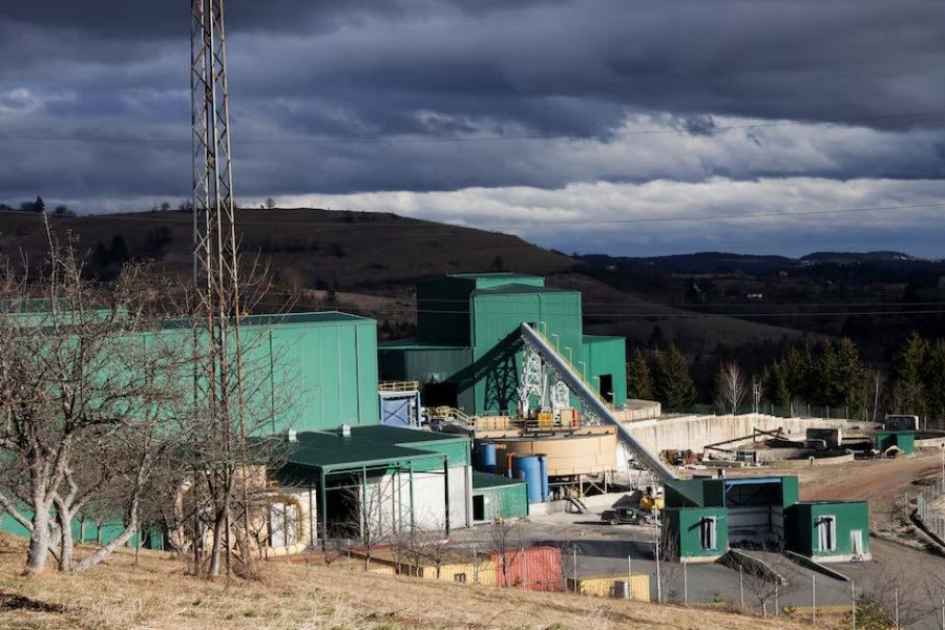



Toxic lead detected in hundreds of residents near Bosnia’s reopened Vares mine has triggered lawsuits, health fears and growing anger over environmental safety, threatening hopes for economic recovery in the struggling community.
What was once celebrated as a symbol of economic recovery in central Bosnia is now at the centre of a growing public health and environmental crisis.
After decades of economic hardship, residents of the small town of Vareš had hoped a newly reopened silver and lead mine would bring jobs, investment and renewed prosperity. Instead, fears are mounting after toxic lead was detected in the blood of hundreds of people living near the mining facilities, including children.
The mine, operated by Canadian company Dundee Precious Metals, began operations last year and was initially welcomed by many locals eager for economic opportunities in the struggling region.
However, recent medical examinations revealed lead contamination in the blood of more than 300 residents. Among them, 17 people living closest to the ore processing facility were found to have dangerously high levels of exposure.
Health experts warn that lead exposure is particularly dangerous for children as it can severely affect brain development, the nervous system and long-term cognitive health.
The findings have triggered widespread concern and anger across the community with many residents questioning whether proper environmental safeguards were ever in place.
On Wednesday, four Bosnian environmental organisations filed criminal complaints against Dundee Precious Metals, accusing the company of failing to adequately protect public health and the surrounding environment.
Environmental law specialists say the crisis points to possible negligence and weak oversight by both the mining company and local authorities, raising broader concerns over environmental governance in extractive industries.
Lead contamination linked to mining operations has long been a global environmental issue, particularly in economically vulnerable communities that depend heavily on resource extraction projects for employment and development.
In response to the allegations, Dundee Precious Metals acknowledged the contamination concerns but denied direct responsibility.
The company stated that environmental protection and community health remain priorities. It confirmed that it has financed blood testing for residents and launched soil and water quality assessments around the site.
Company officials also argued that the contamination may be linked to historical mining activities in the area rather than solely the newly reopened operation, noting that Vareš has a long industrial mining history.
For local families, however, uncertainty and fear continue to grow.
Many residents who relied on farming and livestock now say they are considering leaving the area after tests reportedly detected lead contamination in farmland, crops and surrounding soil. Agricultural activities in some locations have already been suspended due to safety concerns.
One affected mother said living under the shadow of lead contamination had become unbearable, adding that parents no longer know what kind of future awaits their children.
The Federation of Bosnia and Herzegovina government has announced the formation of a special expert team to monitor the situation and investigate potential environmental and health impacts.
Prime Minister Nermin Nikšić said economic investments and corporate interests must never endanger public health.
If the court accepts the criminal complaints, authorities could impose stricter environmental regulations, launch further investigations or even reconsider the future operations of the mine.
For now, the town that once dreamed of economic rebirth faces painful uncertainty as it balances hopes for development against fears over public health, environmental safety and the future of the community.
“Sustainable economic recovery cannot come at the cost of children’s health and environmental safety. Communities living around extractive industries must have the right to clean air, safe food and transparent environmental monitoring,” said Sohanur Rahman, Executive Coordinator of YouthNet Global.




