

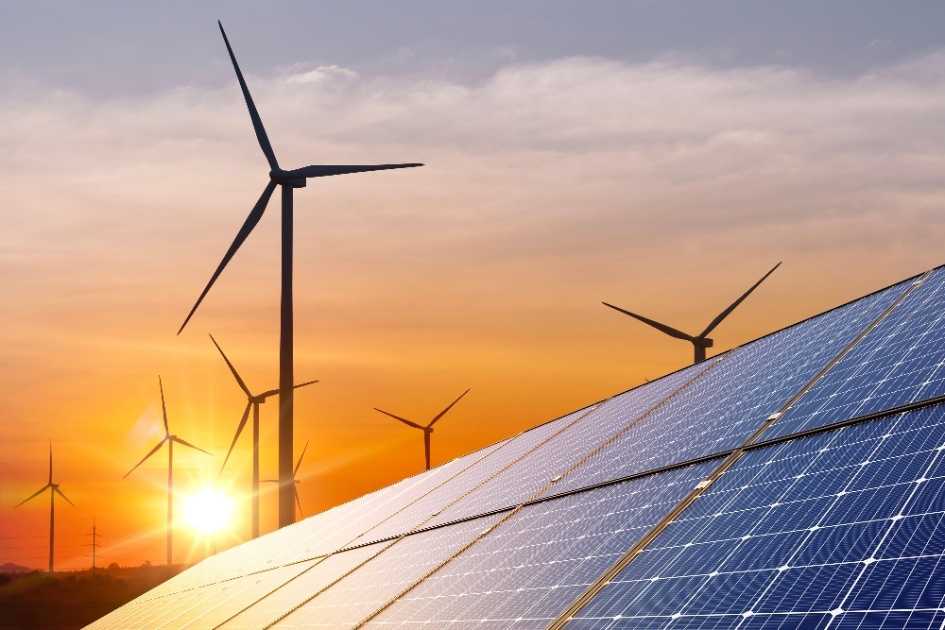

India has unveiled ambitious renewable energy plans targeting 500GW of non-fossil fuel capacity by 2030, aiming to cut emissions, boost green jobs and strengthen its transition towards sustainable economic growth.
India has announced a series of ambitious initiatives aimed at accelerating the growth of its renewable energy sector as the country steps up efforts to tackle climate change and cut greenhouse gas emissions.
The new projects focus on expanding solar power, wind energy and biomass technologies as part of India’s broader transition towards cleaner energy sources and sustainable development.
Government officials said the country is targeting 500 gigawatts of non-fossil fuel-based power capacity by 2030, a key component of its wider strategy to build a low-carbon economy.
Alongside boosting renewable energy capacity, authorities also plan to strengthen energy efficiency measures across multiple sectors by modernising infrastructure and encouraging the adoption of cleaner technologies.
According to a report from India’s Ministry of New and Renewable Energy, investments linked to the projects are expected to generate significant employment opportunities in the country’s growing green sector.
The initiatives are aligned with India’s commitments under the Paris Agreement, the global pact aimed at limiting rising temperatures and combating climate change.
“We are committed to making substantial investments in renewable energy, which will not only benefit the environment but also drive economic growth,” a government spokesperson said.
The projects will involve cooperation with private companies and international organizations to help ensure effective implementation and long-term sustainability.
Experts said the targets outlined by the Indian government are highly ambitious and achieving them will require major financial investments along with strong policy support. They also stressed that sustained political commitment and public backing would be critical to overcoming the challenges associated with the energy transition.
With the latest measures, India is seeking to position itself as a leading player in the global fight against climate change while promoting sustainable economic growth. Analysts say the country’s approach could become a model for other developing nations attempting to balance development needs with environmental protection.




