

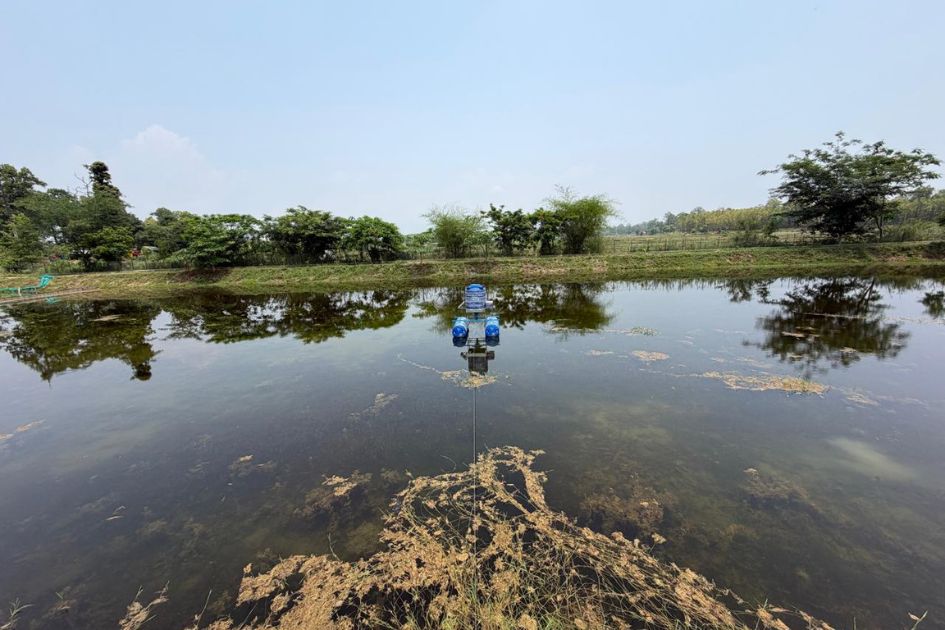



A community-led initiative combining commercial aquaculture with conservation is creating jobs, strengthening groundwater recharge and drawing more domestic visitors to one of Kapilvastu’s popular natural destinations.
Fish farming started by Rajapani Community Forest in Kapilvastu district has become a major attraction for visitors. Every year, hundreds of tourists visit the forest to see the fish ponds, take photographs and enjoy the peaceful natural surroundings.
The project has not only promoted tourism but has also helped improve groundwater recharge and protect biodiversity.
Located in Banaganga Municipality-3, Rajapani Community Forest has become one of the main destinations for domestic tourists in the area. The forest’s lush greenery, natural beauty and ponds built along natural water sources attract thousands of visitors, especially between Kartik and Baisakh (October to April).
The forest management says it earns between NPR 1.5 million and NPR 2 million annually from entrance ticket sales.
This year, the community forest expanded into commercial fish farming, making it another highlight for visitors. Four fish ponds covering about three hectares have been developed.
According to Program Manager Dhakaram Adhikari, banana trees have been planted along the pond banks, which are also fenced for protection. Viewing platforms have been built on both sides of the ponds so visitors can easily watch the fish.
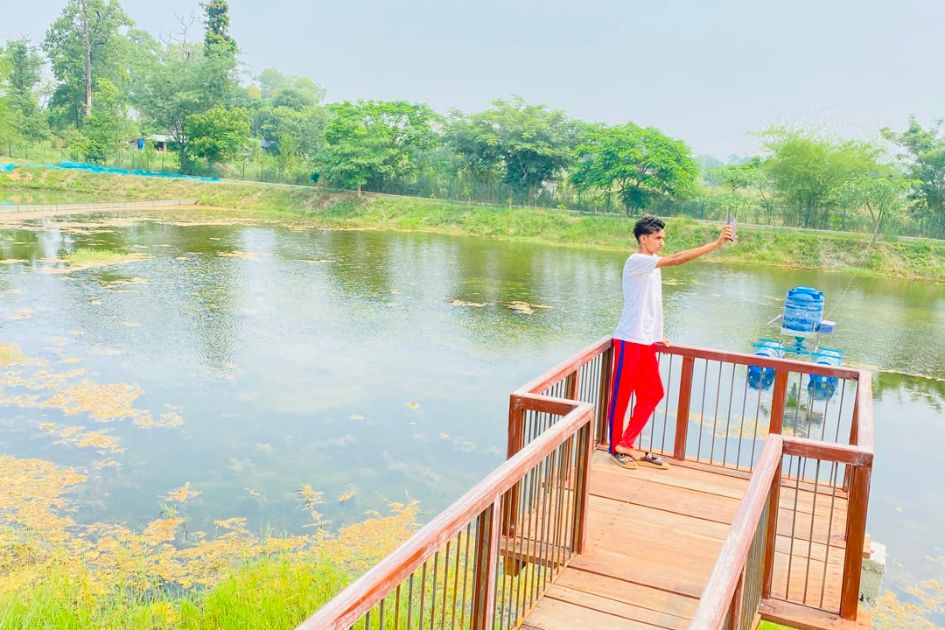
“Our goal is to generate income through fish farming while attracting more visitors to enjoy fish watching,” Adhikari said. “We had a small fish-viewing area before, but now both commercial fish farming and fish tourism have started together.”
Learning from earlier failure
Rajapani Community Forest first built fish ponds in 2011 (2068 BS) with plans to raise fish. Around 7,000 fish fingerlings were released, but most of them died.
“Most of the fingerlings did not survive. After the project failed, we were unable to manage the ponds properly,” Adhikari said.
Three years later, however, naturally grown fish were found in the ponds and the forest harvested about 300 kilograms of fish.
The ponds were later leased to a private operator, but the project was still unsuccessful. After learning from those experiences, the community forest decided to manage fish farming on its own.
Supporting nature and local communities
Community Forest Chairperson Sita Devi Paudel said the fish farming project provides several environmental benefits in addition to generating income.
“By slowing down flowing water in the ponds, we help recharge groundwater in the villages downstream,” she said. “Fish farming has many environmental and economic benefits.”
The project was revived with NPR 6.2 million in financial support from the Forest and Agriculture Facilitation Programme, implemented with assistance from the Food and Agriculture Organization (FAO) of the United Nations.
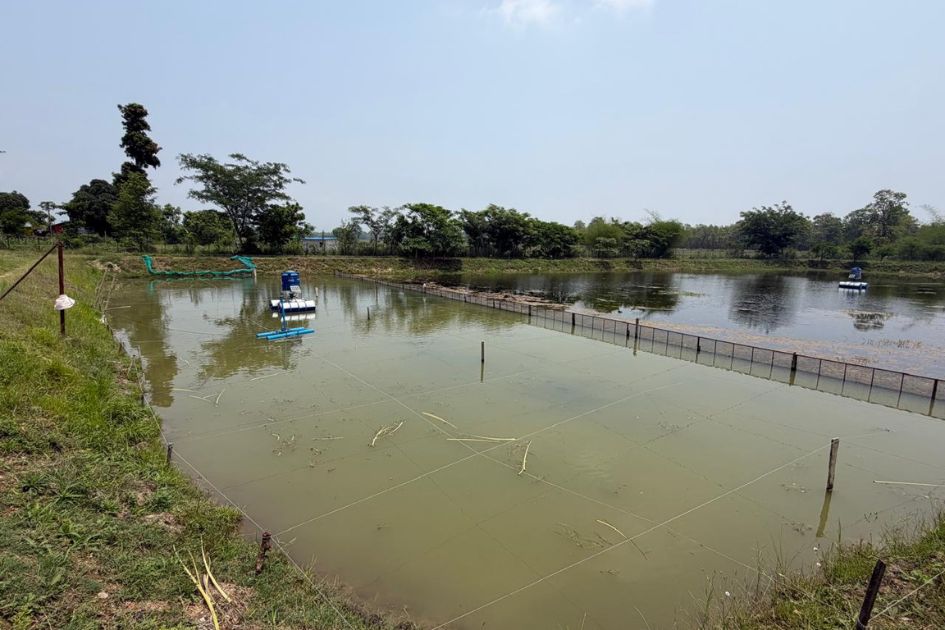
According to Adhikari, the forest has improved pond management and introduced technology for feeding fish and monitoring the ponds to avoid repeating past mistakes.
The community forest has hired one full-time employee to manage the fish ponds and employs additional workers when needed.
Rajapani Community Forest plans to open its own fish sales centre next year to market its fish directly.
“We have focused on conservation for many years, but conservation alone is not enough,” said Chairperson Paudel. “To make conservation successful, it must also provide income for local people. We are working to protect the forest while improving livelihoods.”
The community forest currently provides full-time employment to 14 people and also offers temporary jobs to poor and disadvantaged families whenever additional labour is needed.
The fish farming initiative has become a successful example of how conservation, tourism and sustainable livelihoods can work together to benefit both people and the environment.




