

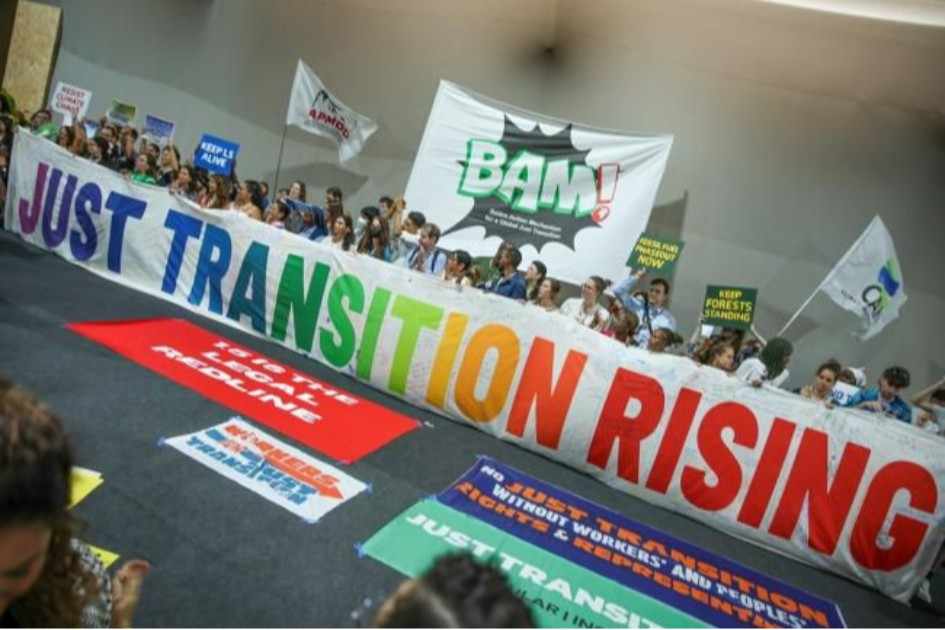



COP30 concluded Saturday with a breakthrough as 195 countries adopted a landmark Just Transition Mechanism, placing human rights and social justice at the centre of global climate action. The agreement is being hailed as one of the strongest rights-based outcomes in the history of UN climate negotiations.
The new mechanism commits countries to transition pathways that uphold human and labour rights including the rights to health, a clean environment, social security, development and decent work. It reinforces key International Labour Organization standards and includes safeguards for Indigenous Peoples, workers and vulnerable communities, giving the care economy and labour participation a central role.
Building on the existing Just Transition Work Programme, the mechanism establishes a framework for cooperation, technical assistance, capacity-building and knowledge-sharing. It also urges measures to prevent debt burdens and to create fiscal space for low-emission development.
However, negotiators left major gaps: COP30 did not define a timeline, technical functions or financing arrangements, falling short of the predictable support demanded by developing countries.
“This Just Transition Mechanism is a historic step for climate justice,” said Bangladeshi youth negotiator Sohanur Rahman. “It puts human rights and workers’ rights at the heart of climate action, but the real test will be meaningful implementation for affected communities.”
Civil society groups welcomed the rights-based framing but warned that vulnerable populations still lack adequate protection. Climate Action Network International called the outcome “one of the most progressive rights-based framings” in UN climate talks, while noting persistent gaps on adaptation finance, fossil-fuel phase-out and support for frontline communities.
Next steps include operationalising the mechanism and defining funding and technical support structures to ensure workers, Indigenous Peoples and vulnerable communities are supported in the shift to low-emission economies. For Bangladesh, observers say the mechanism could strengthen community voices but clear finance commitments will be essential.
COP30’s decision sets a new benchmark by embedding human rights, equity and social justice into global climate policy, signalling a push for more inclusive and fair climate solutions.




