




Mass bird deaths from poisoning, hunting and habitat destruction across Bangladesh signal systemic conservation failures, threatening biodiversity, agriculture, ecosystems and livelihoods, and demanding urgent enforcement, awareness and accountability nationwide now.
Across Bangladesh, alarming numbers of birds are dying due to poisoning, illegal hunting and large-scale habitat destruction, highlighting systemic failures in wildlife protection and conservation. From rice paddies in the coastal island of Sandwip to urban hospital areas in Rajshahi, these incidents reveal a nationwide crisis affecting both biodiversity and the ecosystems that sustain human livelihoods.
Experts warn that these are not isolated incidents. Institutional neglect, weak law enforcement and unregulated development have destroyed decades of carefully maintained bird habitats, leaving both migratory and resident species increasingly vulnerable. Birds play crucial roles in controlling pests, pollinating plants and maintaining ecological balance. Their deaths threaten agriculture, food security and the broader natural environment.
Historical lessons amplify the concern. In mid-20th century China, millions of sparrows were exterminated in a misguided effort to protect crops, triggering massive insect infestations and famine. Similar patterns, though on a smaller scale, are now emerging in Bangladesh. Poisoned crops, electrified nets and indiscriminate tree felling are killing birds that historically served as nature’s pest controllers. From Satkhira to Sandwip and Rajshahi to Pabna, these events reveal a disturbing national trend demanding urgent attention.
Mass poisoning in Satkhira
Since December 20, 2025, residents of Harishchandrakathi village in Tala Upazila of Satkhira have reported dozens of pigeons and doves falling lifeless. Poisoned mustard seeds, allegedly sown to protect crops, killed at least 80 pigeons and one dove.
Local authorities visited the site and expressed shock. “This is extremely unfortunate. Legal action will be taken,” said Tanmoy Acharya, Wildlife and Biodiversity Conservation Officer of the Khulna Forest Department. Abdul Bari, the man accused of sowing the poisoned seeds, has gone into hiding. Villagers demanded both compensation and strict punishment, questioning how birds could avoid consuming the toxic seeds.
A similar case occurred recently in the Padmashakhra area, where over 100 pigeons and bees from 180 boxes died after poisoning. Despite inspections by forest officials, immediate corrective measures remain absent.
Earlier in June 2025, more than 100 baby fruit bats were killed and their eggs destroyed after palm trees were felled in Jhalokathi Sadar. Public outcry led to arrests, but experts note that such incidents reflect systemic neglect rather than isolated wrongdoing.
Institutional negligence in Rajshahi
Rajshahi has witnessed years of habitat destruction. Trees around the Institute of Nuclear Medicine and Allied Sciences near Rajshahi Medical College Hospital were felled during construction work and COVID-19 related measures, killing hundreds of juvenile birds in September 2021.
Utility companies, including Palli Bidyut, have also removed trees to maintain power lines, displacing thousands of sparrows and mynas. Officials later admitted they were unaware of the ecological value of these trees and pledged greater caution in the future.
Private conservation under threat: Pabna sanctuary
Akashkoli Das, a lifelong conservationist from Kaitola village in Bera Upazila of Pabna, spent nearly six decades creating a bird sanctuary on two acres of land. Following his death on August 18, 2025, parts of the sanctuary were sold or transferred, leading to tree felling and habitat disruption. Investigations have been launched amid concerns of fraudulent land registration, with authorities promising legal action if wrongdoing is confirmed.
Sandwip bird killings in Chattogram
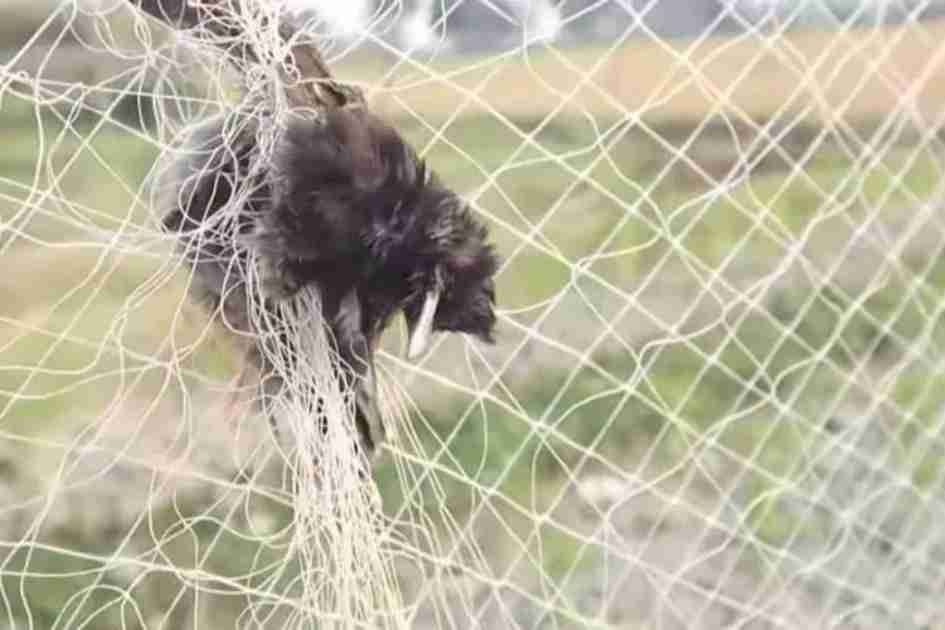
In Sandwip’s Santoshpur Union, mother birds and their eggs were found dead in banyan trees, trapped in finely strung electrical nets over rice paddies. Local resident Nurul Anwar described the scene as horrifying, noting that fields that once echoed with birdsong are now silent.
Farmers claimed the nets were necessary to protect crops, unaware that many bird species, including bulbuls and finches, consume harmful insects and support agriculture. While agricultural officers suggest eco-friendly alternatives, forest officials warn that killing birds violates Bangladesh’s Wildlife (Conservation and Security) Act, 2012.
Legal framework and call for action
Bangladesh’s Wildlife Act criminalizes the killing, collection or harming of wildlife. Yet enforcement remains weak and violations continue across cities and rural areas alike.
“Birds cannot speak for themselves, yet they are the first to suffer when human negligence prevails,” said Sohanur Rahman, Executive Coordinator of YouthNet Global.
Researcher Gawhar Naeem Wara added, “To whom will the birds turn for justice? How long will the cries of suffering remain unheard? If the birds cannot survive, how can we?”
The ongoing loss of avian life across Bangladesh calls for urgent intervention. Stricter enforcement of wildlife laws, habitat protection, community awareness and institutional accountability are essential to preserve the country’s rich biodiversity and safeguard ecological stability.




