





A family of Eurasian beavers has been released in Bedfordshire for the first time in 400 years, marking a landmark step for habitat restoration, drought resilience and natural flood management.
A family of Eurasian beavers has been released into the Bedfordshire countryside for the first time in four centuries, marking a major step in efforts to restore natural ecosystems in one of England’s driest regions.
The group, comprising an adult male, an adult female and two kits, was introduced to the Southill Estate near Biggleswade from the end of February. The release followed two years of planning, preparation and regulatory approval.
The project was led by Restore, a nature restoration company, which described beavers as “ecosystem engineers” capable of transforming landscapes. Their dam-building behaviour helps retain water, improve habitat diversity and boost resilience to drought, the company said.
Estate owner Charles Whitbread called the reintroduction a “long and complex journey”.
“To finally see the beavers released and swimming in the landscape was truly wonderful, and something I will not forget,” he said, adding that there had been moments when the team doubted whether the plan would succeed.
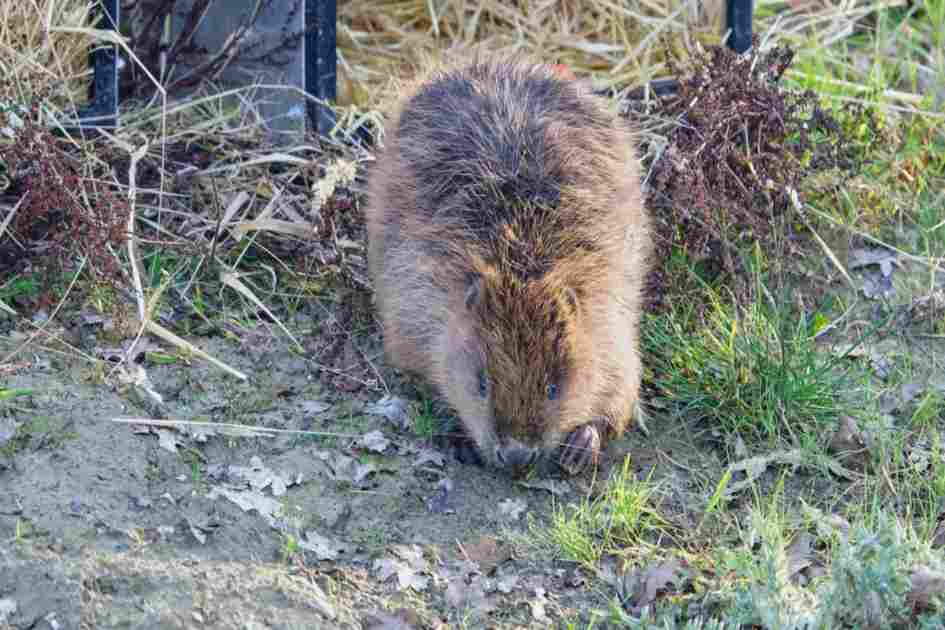
The licence for the release was granted by Natural England in partnership with the Beaver Trust.
Before the animals were introduced, a fenced enclosure was constructed on the estate, along with a pond and newly planted willow. A nearby ditch was also reshaped or “re-wiggled” to restore a more natural hydrological flow and improve habitat complexity.
Restore said the beavers were released in two phases. An adult male and two kits sourced from Scotland were introduced first. They were joined a few days later by an adult female that had spent 14 months at Wildwood Trust undergoing rehabilitation and preparation for independent living.
The release forms part of a wider shift in land management at the estate, aimed at balancing nature recovery with productive land use.
Beaver dams slow the flow of water, helping retain it in the landscape, a crucial benefit in Bedfordshire where water scarcity is a growing concern. By reducing peak water flows, they also support natural flood mitigation within the River Ivel chalk stream catchment, Restore said.
This post is republished from BBC News.




